
Graduate school is one of the most intellectually demanding and emotionally exhausting periods in a persons life. Between dissertations, research deadlines, teaching responsibilities, and the constant pressure to publish, physical health and mental wellness often become afterthoughts for grad students. Yet research consistently shows that regular exercise, proper nutrition, quality sleep, and mindfulness practice directly improve academic performance, cognitive function, and emotional resilience.
This guide reviews 12 of the best health and fitness apps specifically chosen for graduate students in 2026, covering workout apps that fit between study sessions, meditation apps for academic stress, nutrition trackers for students eating on a budget, and sleep tools for those whose minds wont stop working at bedtime. For more academic productivity tools, explore our guides on learning apps for grad students, note-taking and mind mapping apps, skill development apps, and career development apps.
Table of Contents
- Insight Timer (Rating 4.9)
- FitOn (Rating 4.9)
- Nike Training Club (Rating 4.8)
- Strong Workout Tracker (Rating 4.9)
- Headspace (Rating 4.8)
- Strava (Rating 4.8)
- Calm (Rating 4.8)
- Cronometer (Rating 4.8)
- BetterSleep (Rating 4.7)
- MyFitnessPal (Rating 4.7)
- Sleep Cycle (Rating 4.7)
- Smiling Mind (Rating 4.4)
- Which App to Choose
- Wellness Tips for Grad Students
- Frequently Asked Questions
1. Insight Timer (Rating 4.9)
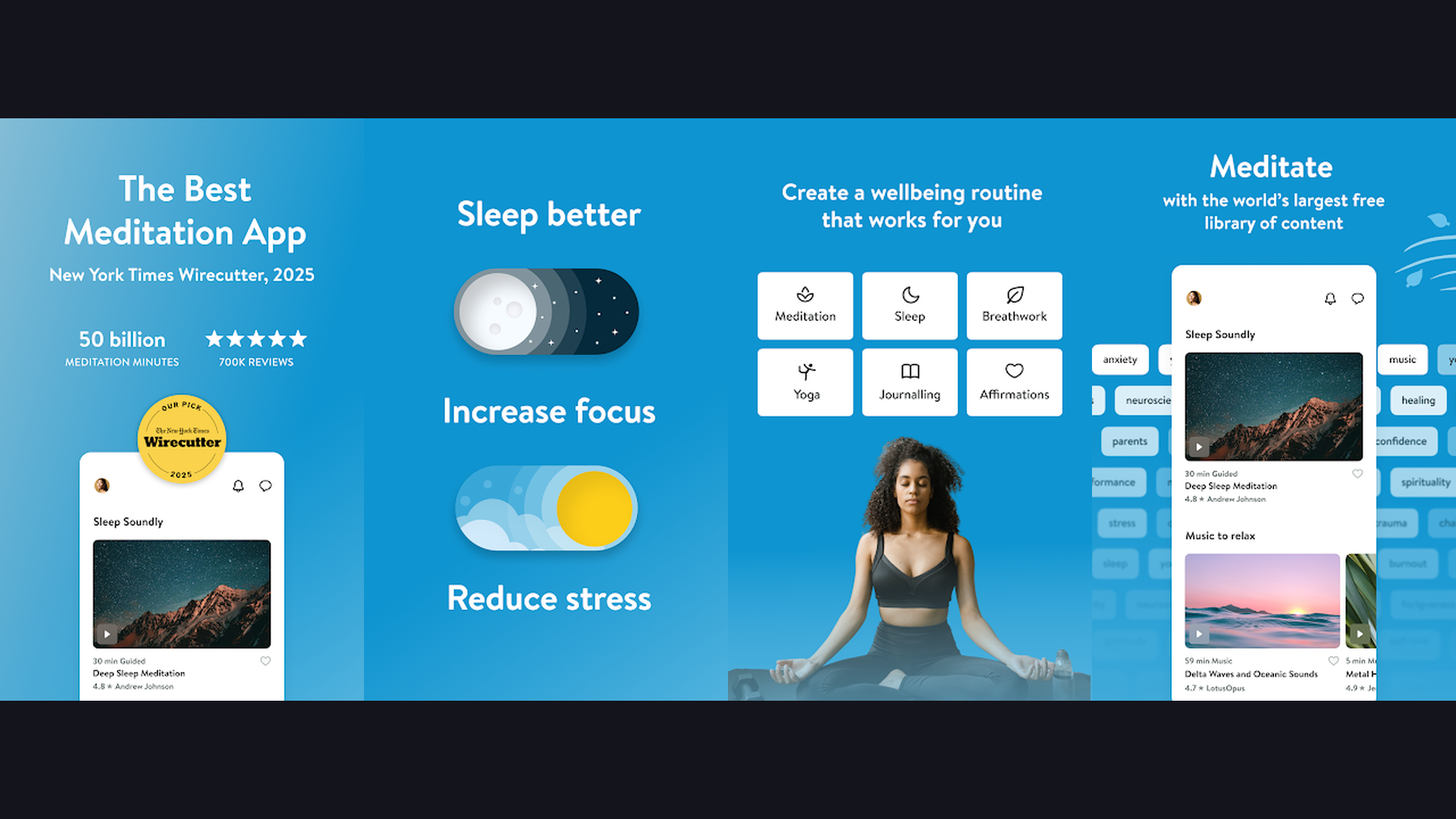
Insight Timer is the worlds largest free meditation app with over 300,000 guided meditations from 16,000+ teachers, music tracks, ambient sounds, a customizable meditation timer, group meditation features, and community courses covering mindfulness, stress reduction, focus, sleep, and academic performance. For grad students on a budget, Insight Timer is extraordinary because the vast majority of content is completely free. The library covers topics directly relevant to academic life: pre-exam focus sessions, dissertation writing meditation, imposter syndrome relief, burnout recovery, and concentration enhancement. The timer feature lets you set custom meditation sessions with interval bells, background ambient sounds, and ending chimes. The community feature connects you with meditators worldwide for group sessions. The discussion groups provide support for anxiety. The courses feature offers structured multi-day programs on stress management and emotional resilience. Insight Timer is free (basic) or $9.99/month (premium). For grad students wanting the largest free meditation library available, Insight Timer is unmatched. Explore more wellness tools on health and wellbeing apps for grad students.


2. FitOn (Rating 4.9)
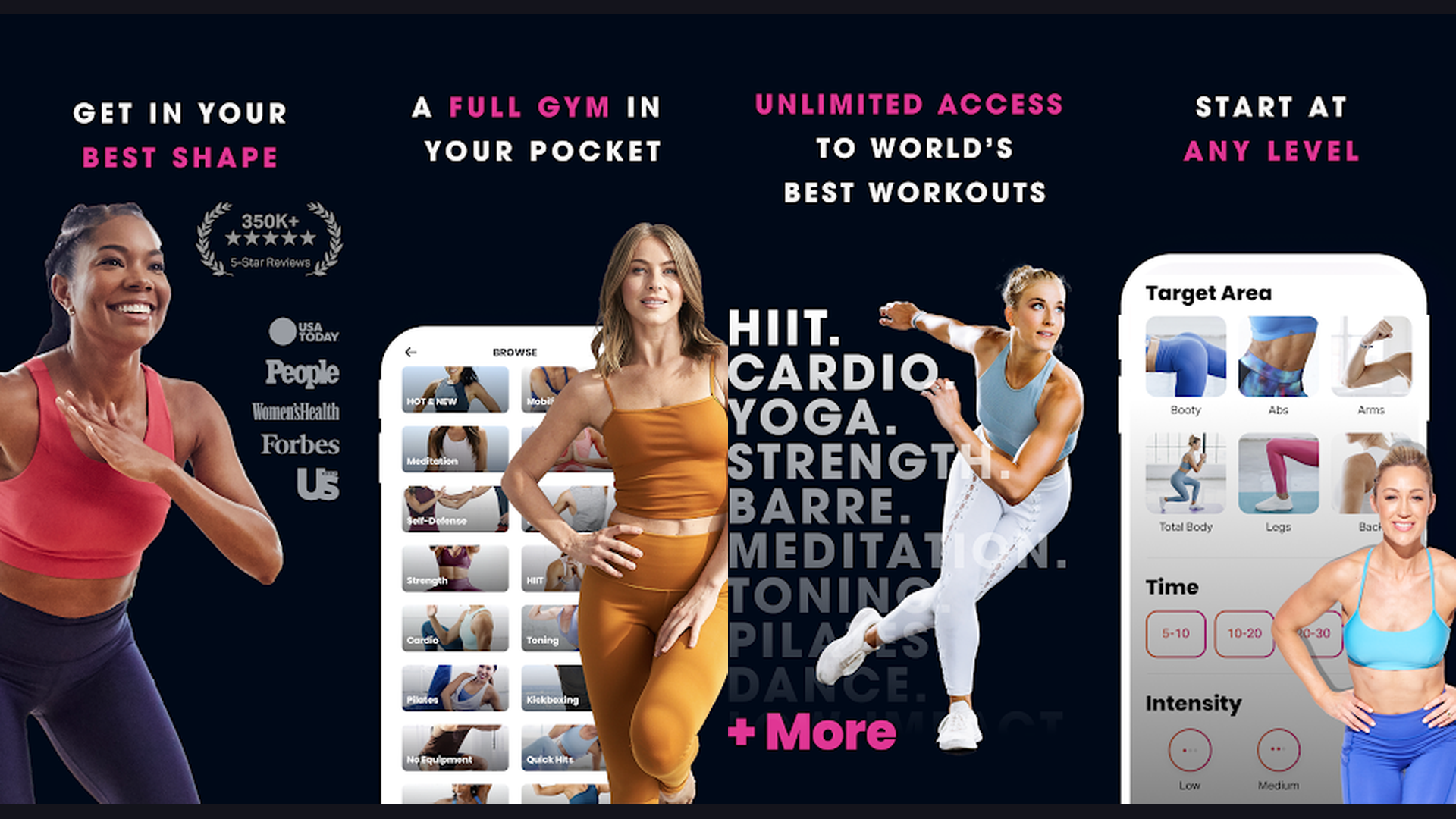
FitOn is the best free workout app for busy grad students, offering hundreds of on-demand and live video workouts including HIIT, strength, yoga, Pilates, dance, barre, and stretching led by celebrity trainers, with no equipment required options and workouts as short as 10 minutes. FitOn understands that grad students have incredibly limited time and money. The free tier is genuinely generous: unlimited access to the full workout video library with no paywall on individual classes. The workouts range from 7-minute express sessions (perfect between study blocks) to 45-minute full programs. The live classes add community motivation with real-time participation. The workout categories include stress-relief yoga, energizing HIIT, desk stretches for long study sessions, and sleep-promoting gentle flows. The program feature offers structured multi-week plans for strength building, weight management, and flexibility. The social features let you work out with friends remotely. FitOn Pro adds personalized meal plans and Apple Watch integration. FitOn is free (basic) or $29.99/year (Pro). For grad students wanting free professional workouts without leaving their apartment, FitOn delivers. Find more fitness guides on health and fitness apps guide.
3. Nike Training Club (Rating 4.8)
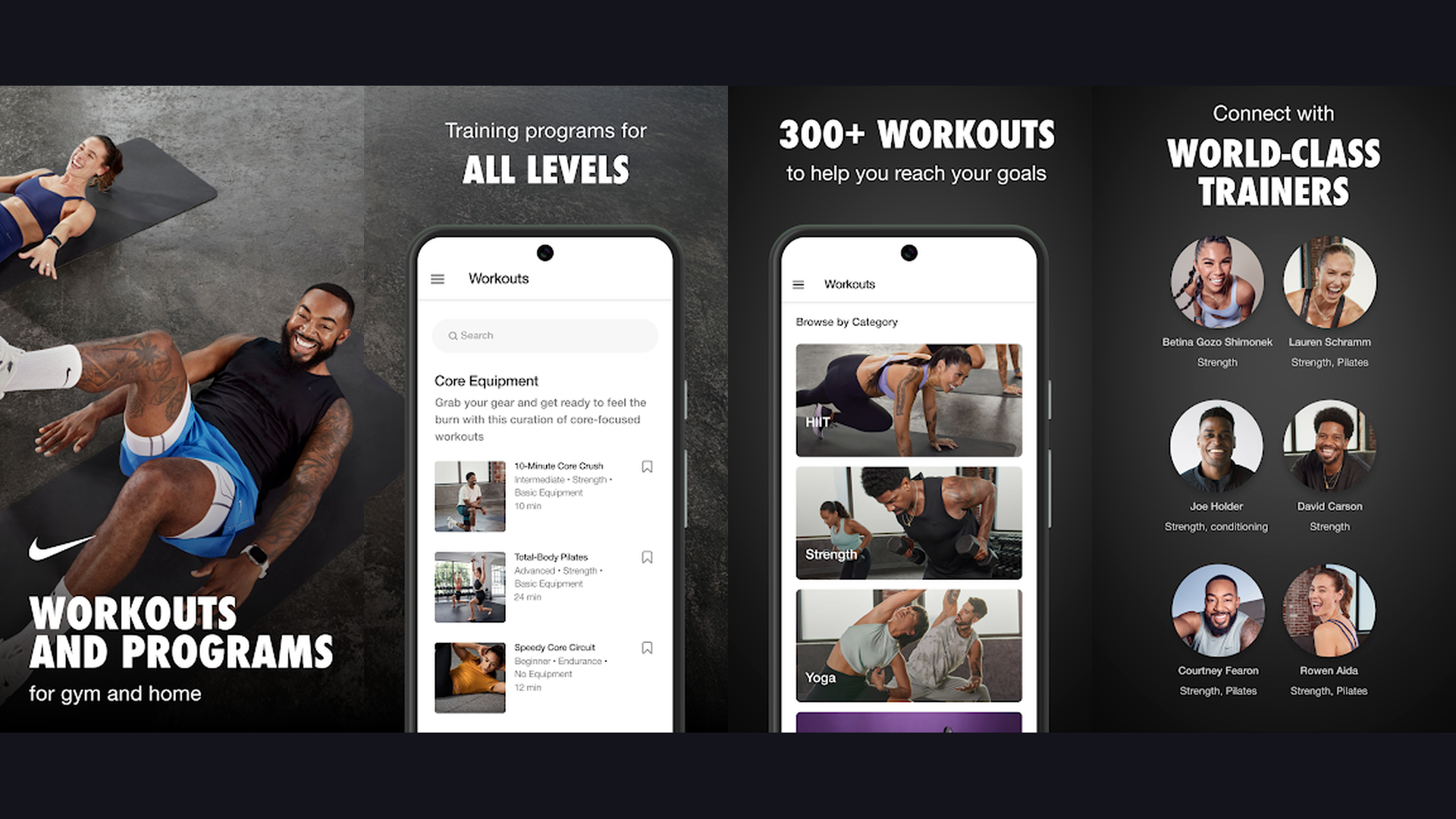
Nike Training Club is the most comprehensive free workout app with over 200 professionally produced video workouts covering strength, endurance, yoga, and mobility, multi-week training programs designed by certified trainers, Apple Watch integration, and adaptive plans that adjust to your schedule and fitness level. Nike Training Club went completely free in 2020 and has remained so, making it one of the elite-tier free fitness apps. The workout production quality is outstanding: Nike Master Trainers guide you through routines with clear form demonstrations and real-time pacing. The programs section offers structured 4-6 week plans for specific goals like building lean muscle, improving endurance, getting started with yoga, or training for a 5K. The adaptive scheduling feature accommodates the unpredictable schedule of grad students. The browse feature lets you filter by duration (15-60 minutes), equipment (bodyweight, dumbbell, band), muscle group, and intensity. The Apple Watch app enables independent workouts without a phone. NTC is 100% free on all platforms. For grad students wanting Nike-quality training without any cost, NTC is elite. Track your runs with running apps for Apple Watch.
4. Strong Workout Tracker (Rating 4.9)
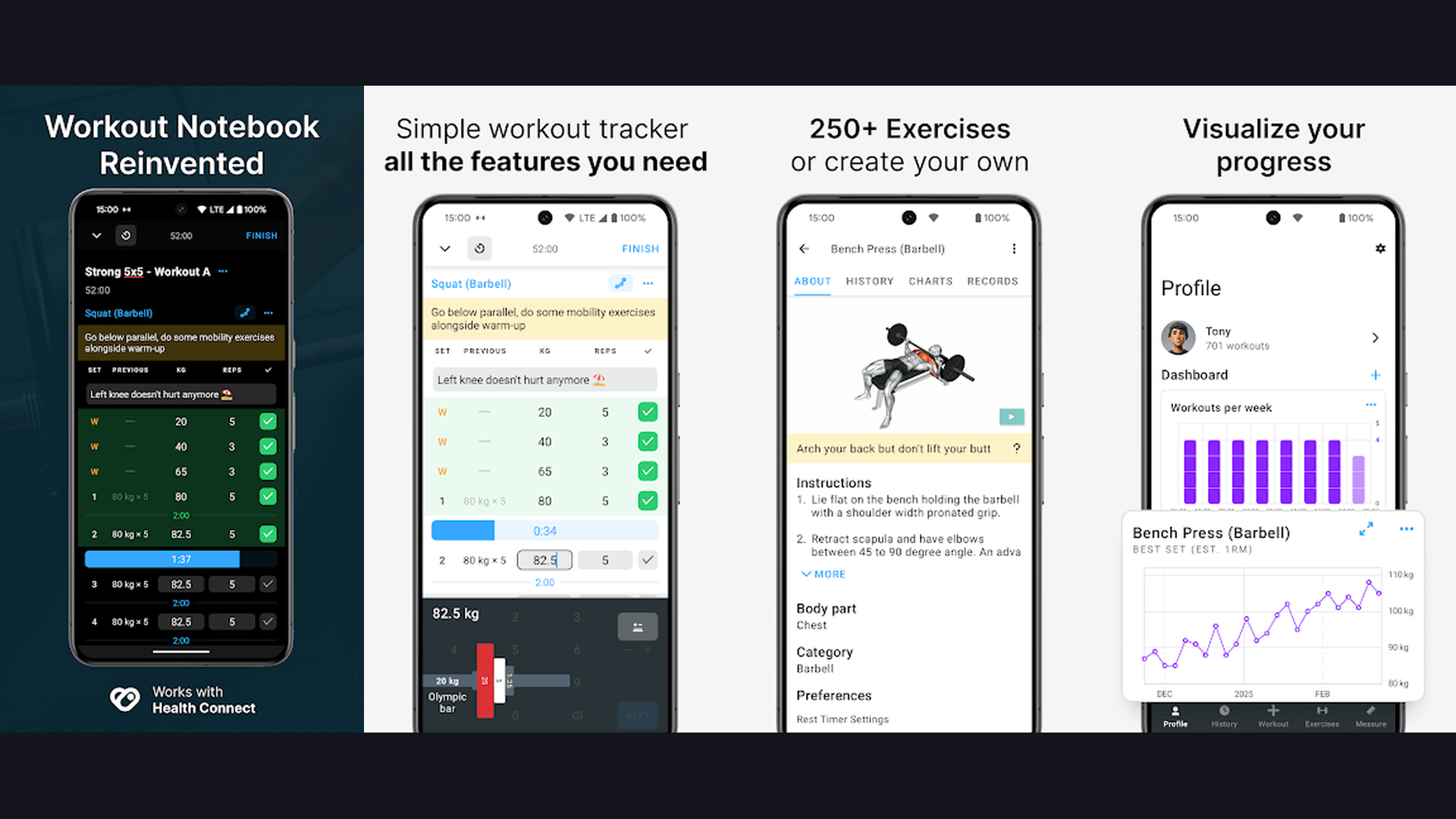
Strong Workout Tracker is the best gym log and strength training tracker for grad students who lift weights, featuring an extensive exercise library with video demonstrations, customizable workout routines, automatic rest timers, progressive overload tracking, personal record notifications, and Apple Watch companion for hands-free gym logging. Strong is purpose-built for weight training with a clean, distraction-free interface that makes logging sets and reps fast during workouts. The exercise library includes over 600 exercises with proper form videos. The routine builder lets you create custom workout templates (e.g., Push Day, Pull Day, Legs) and reuse them with one tap. The automatic rest timer starts between sets so you maintain proper recovery intervals. The progressive overload charts show your strength gains over weeks and months, which is incredibly motivating. The personal record notifications alert you when you hit new maxes. The Apple Watch app enables standalone gym tracking without your phone. The body measurements tracker monitors weight, body fat, arms, chest, and other metrics over time. Strong is free (limited) or $4.99/month (Pro). For grad students who take weight training seriously, Strong is the gold standard tracker. Plan your fitness with digital planner apps.
5. Headspace (Rating 4.8)
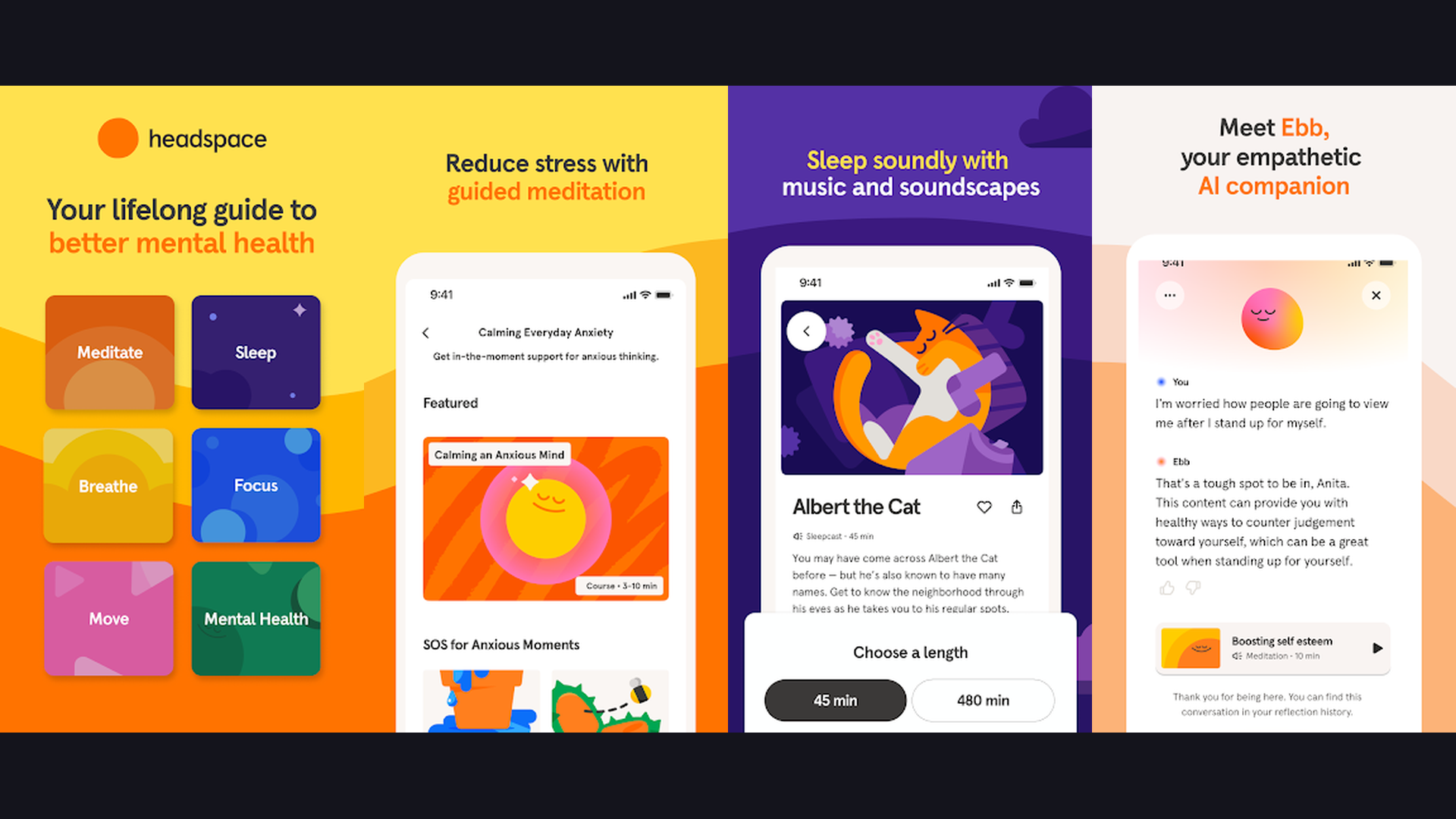
Headspace is the most beginner-friendly meditation and mindfulness app with scientifically-backed guided meditation courses, SOS sessions for acute stress and anxiety, focus music for studying, sleep sounds and sleepcasts, and a structured curriculum that teaches meditation from the ground up. Headspace approaches meditation like a university course, which resonates perfectly with grad students. The Basics course teaches foundational meditation skills over 10 sessions, building gradually from 3-minute to 10-minute practices. The topic-specific packs address exact grad student pain points: Managing Anxiety, Dealing with Stress, Improving Focus, Handling Frustration, and Building Self-Esteem. The SOS sessions are 3-minute emergency meditations for panic attacks, pre-presentation nerves, or overwhelming stress. The Focus Mode provides curated background music designed to enhance concentration during study sessions. The Sleepcasts are 45-minute bedtime stories that reduce racing thoughts before sleep. The Move section offers light exercise videos. Headspace is free (limited) or $12.99/month ($69.99/year). For grad students wanting a structured introduction to meditation for academic stress, Headspace is perfect. Discover learning tools at grad student learning apps.
6. Strava (Rating 4.8)
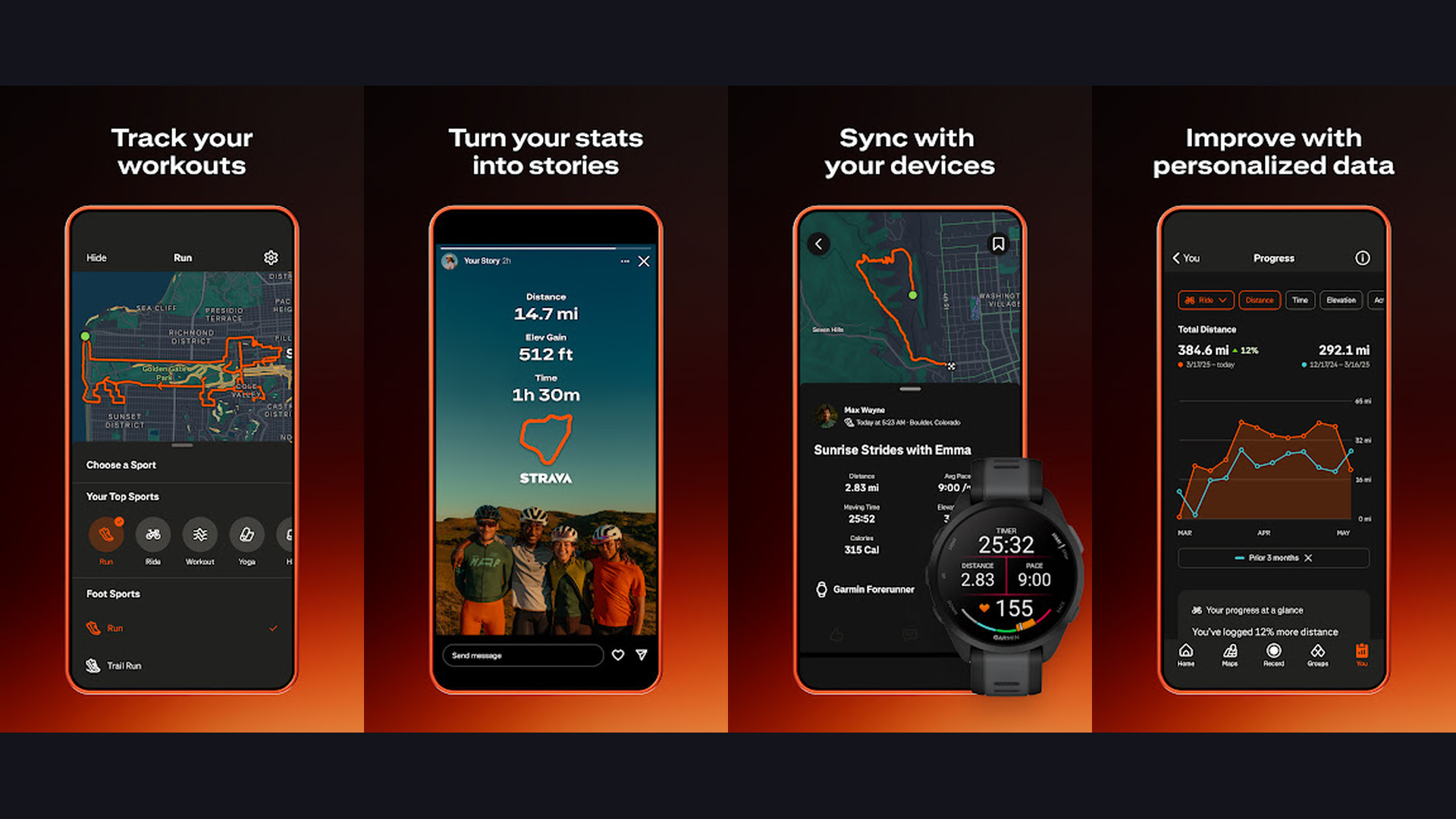
Strava is the best GPS activity tracker and social fitness network for grad students who run, cycle, hike, or swim, featuring accurate GPS route tracking, segment leaderboards for competitive motivation, training log with performance analytics, route discovery, club and group challenge features, and integration with all major fitness wearables. Strava transforms solo workouts into a social experience. The GPS tracking records your route, pace, elevation, heart rate (with connected device), and cadence with precision. The segment feature lets you compare your times on popular routes against other athletes and your own previous efforts. The training log provides weekly and monthly summaries with distance, time, and relative effort metrics. The route discovery feature suggests popular running and cycling routes near your campus or neighborhood. The clubs feature lets you join or create groups with fellow grad students for challenges and accountability. The beacon feature shares your live location with safety contacts during solo runs. The training calendar integrates with Apple Health and Google Fit for comprehensive wellness tracking. Strava is free (basic) or $11.99/month (Summit). For grad students who use running or cycling as stress relief, Strava adds community and data. Find navigation tips at navigation apps.
7. Calm (Rating 4.8)
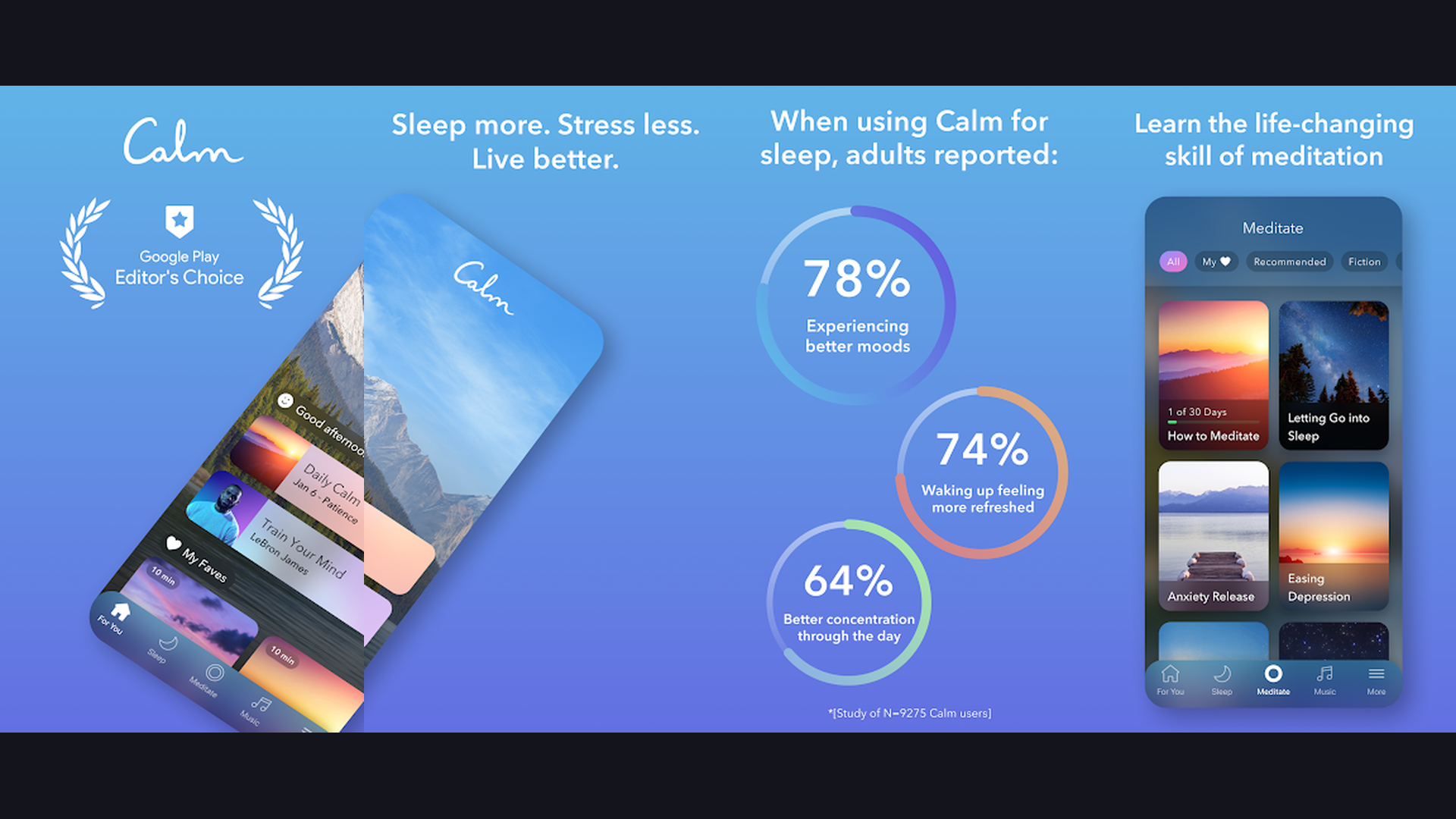
Calm is the best sleep and relaxation app for grad students, featuring Sleep Stories narrated by celebrities, Daily Calm 10-minute meditation sessions, breathing exercises for instant stress relief, nature soundscapes for studying, masterclasses on mindful living, and comprehensive programs for anxiety management. Calm excels where many grad students struggle most: sleep and evening wind-down. The Sleep Stories are adult bedtime stories narrated by voices like Matthew McConaughey, Stephen Fry, and LeBron James that use proven sleep psychology techniques (pacing, vocal tone, narrative arc) to quiet racing thoughts about deadlines and research problems. The Daily Calm provides a fresh 10-minute guided meditation every day, building a consistent mindfulness habit. The breathing exercises (4-7-8, box breathing, deep breathing) provide instant physiological stress reduction before presentations, exams, or difficult meetings with advisors. The soundscapes (rain, ocean, forest, fireplace) create ambient study environments. The body scan meditations release physical tension from hours of sitting. Calm is free (limited) or $14.99/month ($69.99/year). For grad students whose stress manifests as insomnia or racing thoughts, Calm is transformative. Explore entertainment options at free entertainment apps.
8. Cronometer (Rating 4.8)
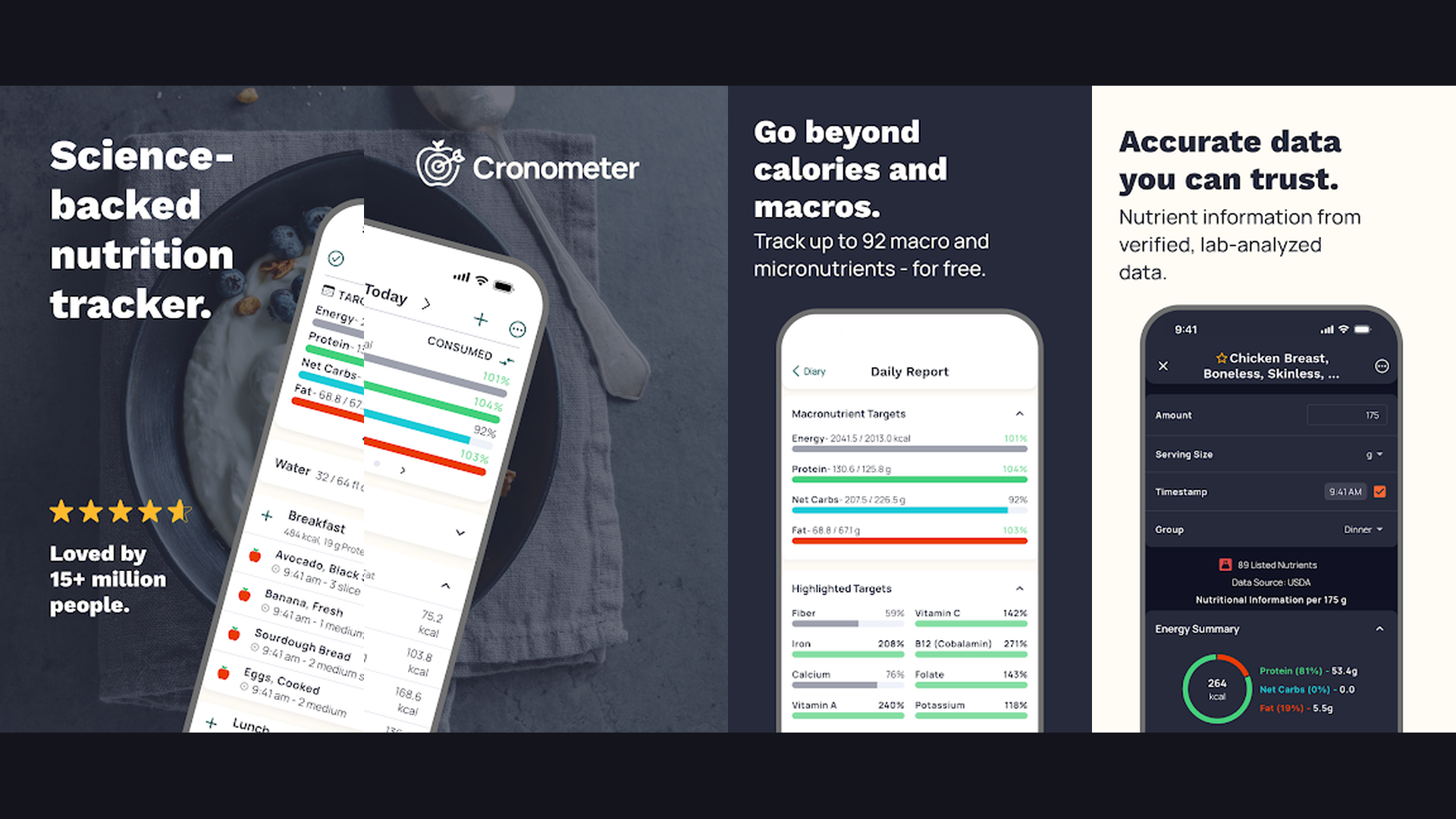
Cronometer is the most precise nutrition tracking app for health-conscious grad students, tracking up to 84 micronutrients beyond basic calories and macros, using a verified curated food database, biometric tracking, fasting timer, custom recipes, and detailed nutrient reports that identify specific vitamin and mineral deficiencies. Cronometer separates itself from MyFitnessPal by prioritizing accuracy over database size. Every food entry in Cronometer is verified against USDA, NCCDB, and manufacturer data rather than user-submitted entries that may be inaccurate. The micronutrient tracking monitors 84 nutrients including vitamins A through K, all B-complex vitamins, calcium, iron, zinc, magnesium, omega-3 fatty acids, and amino acids. The nutrient targets show exactly which micronutrients you are hitting and which you are missing, which is invaluable for grad students whose diet may suffer during intense research periods. The fasting timer supports intermittent fasting protocols. The recipe importer lets you save custom meals for quick logging. The trend reports visualize nutrition patterns over time. Cronometer is free (basic) or $7.99/month (Gold). For grad students who want scientific-grade nutrition tracking, Cronometer is the best choice. Track your finances too with financial management tools.
9. BetterSleep (Rating 4.7)
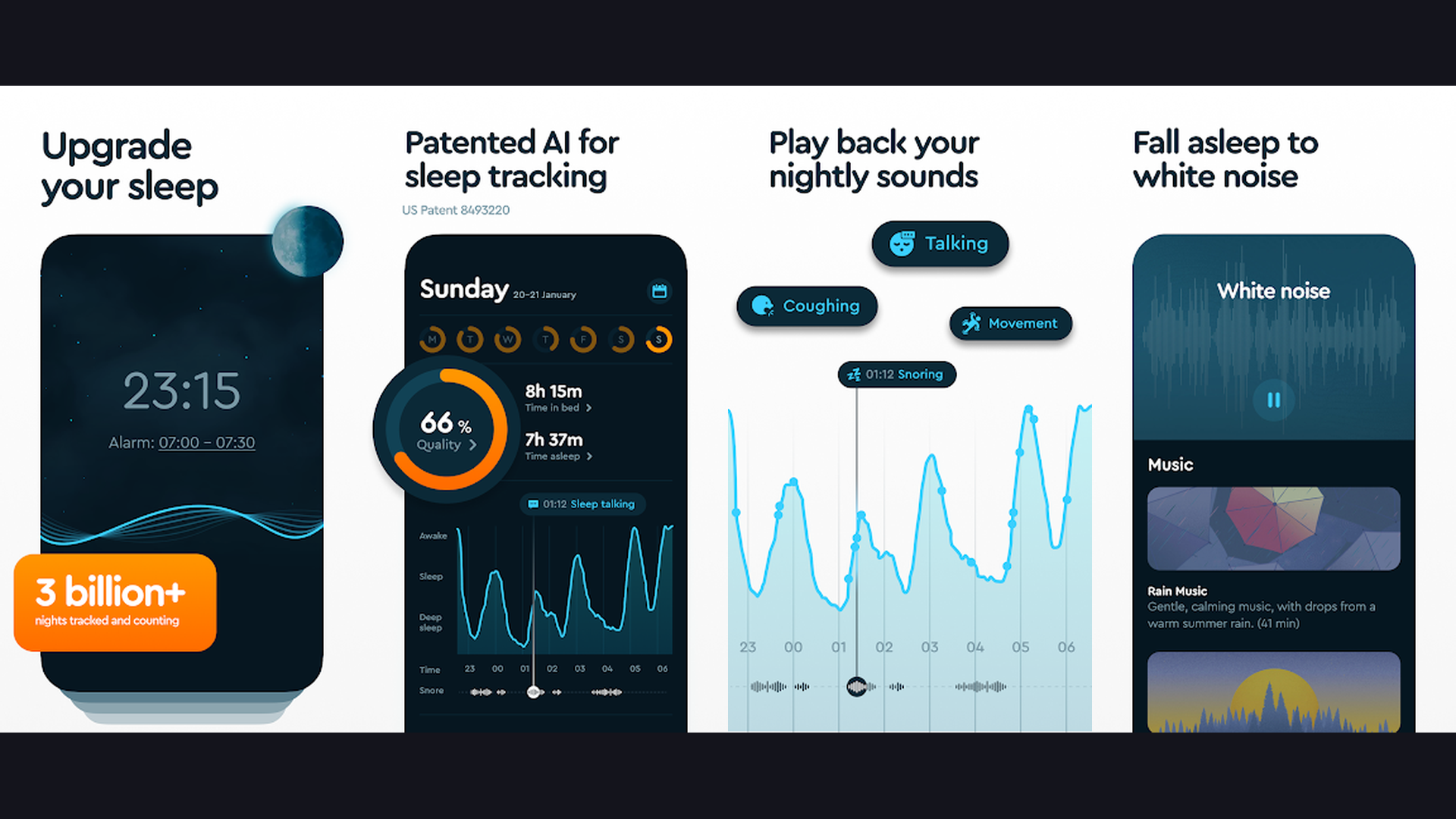
BetterSleep (formerly Relax Melodies) is the most customizable sleep improvement app for grad students, featuring a sound mixer with 300+ relaxing sounds, guided meditations for sleep, bedtime stories, ASMR content, breathing exercises, gentle wake-up alarm, sleep tracking, and custom soundscape creation for personalized sleep environments. BetterSleep approach to sleep is uniquely creative: instead of choosing from pre-made recordings, you mix your own perfect sleep soundscape by layering individual sounds. Combine rain on a window with distant thunder, a crackling fireplace, and a cat purring. Add gentle binaural beats at a specific frequency for brainwave entrainment. Layer in white noise or brown noise at your preferred volume. The result is a deeply personalized audio environment that your brain associates with sleep. The guided meditations specifically address academic anxiety, tomorrow-worrying, and body tension from long study sessions. The bedtime stories use slow narrative pacing designed to transition your brain from active thinking to sleep. The sleep moves section offers gentle stretches to do in bed. The statistics track your sleep patterns and habits. BetterSleep is free (limited) or $9.99/month ($49.99/year). For grad students who need customizable audio to shut off an overactive brain at bedtime, BetterSleep is ideal. Discover productivity apps at reminder apps.
10. MyFitnessPal (Rating 4.7)
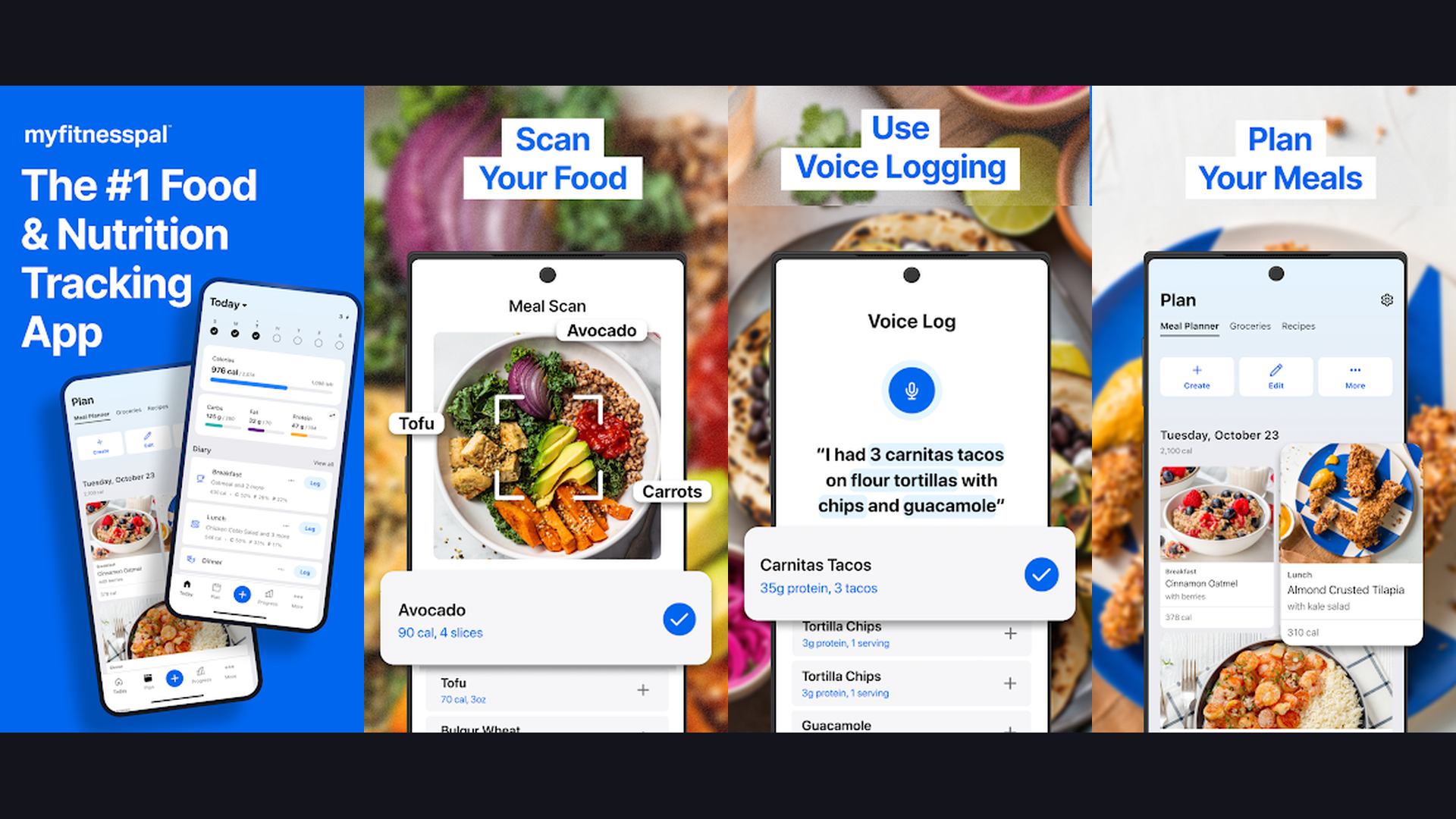
MyFitnessPal is the most widely-used calorie and nutrition tracking app with a database of over 14 million foods, barcode scanner for instant food logging, recipe importer, meal planning, exercise tracking, integration with 50+ fitness devices and apps, and community support forums for accountability and motivation. MyFitnessPal dominance in nutrition tracking comes from its massive crowd-sourced food database. Nearly every packaged food, restaurant meal, and generic food item is already logged. The barcode scanner lets you scan any product and instantly see its nutritional breakdown. The recipe importer pulls ingredients from online recipes and calculates per-serving nutrition. The meal copy feature lets you duplicate yesterday lunch with one tap. The food diary tracks calories, protein, carbs, fat, fiber, sodium, sugar, and more. The exercise logging credits your calorie budget with activity. The progress charts visualize weight trends smoothed against daily fluctuations. The community forums connect you with others pursuing similar health goals. MyFitnessPal is free (basic) or $19.99/month ($79.99/year) for premium features. For grad students wanting the easiest way to track what they eat, MyFitnessPal is the go-to. Save money with budgeting apps.
11. Sleep Cycle (Rating 4.7)
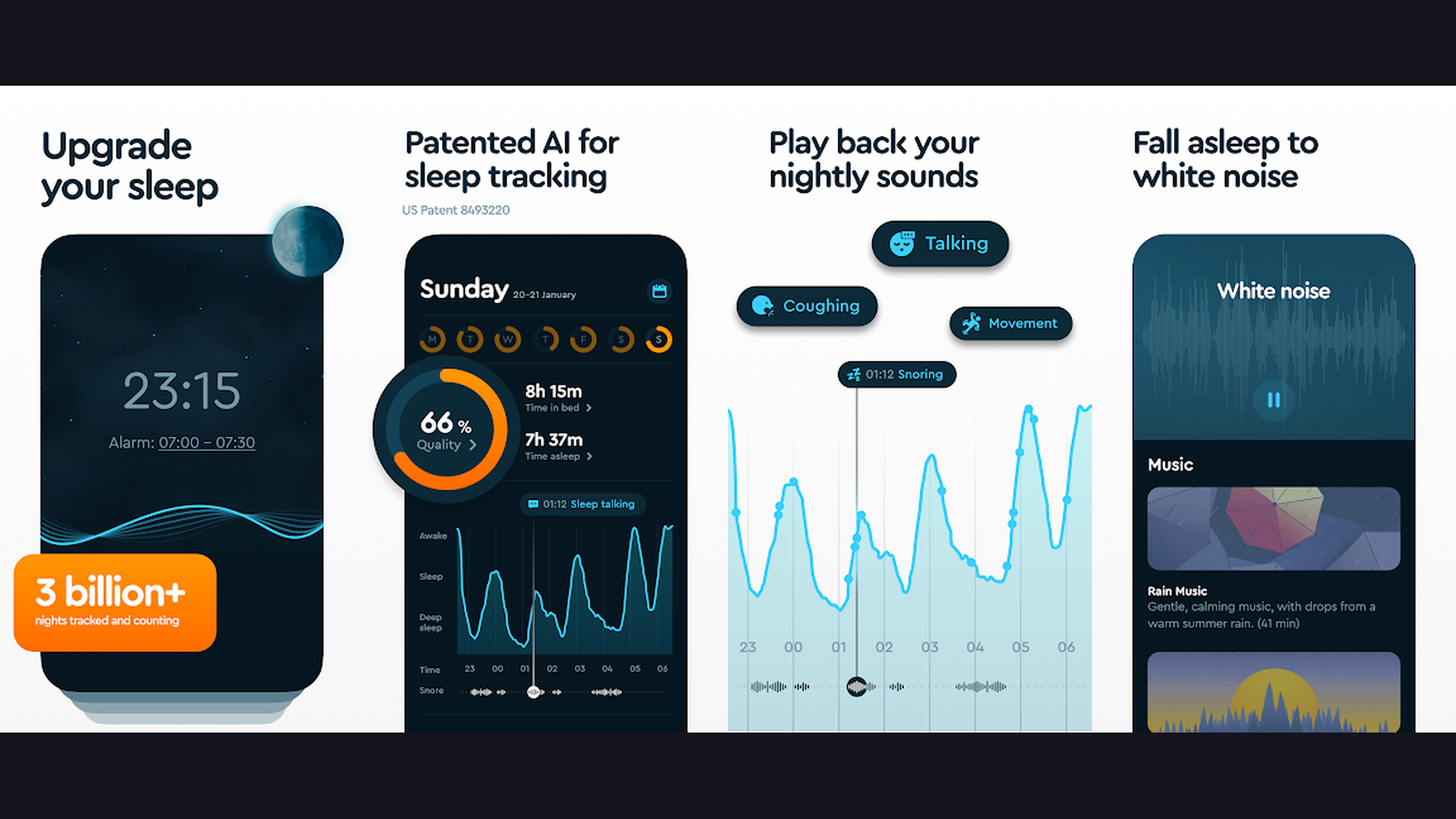
Sleep Cycle is the most intelligent sleep tracking alarm clock for grad students, using patented audio analysis technology to monitor breathing patterns and sleep stages without wearing any device, waking you during your lightest sleep phase within a customizable wake-up window to eliminate morning grogginess. Sleep Cycle technology is genuinely clever: place your phone on your nightstand and its microphone analyzes your breathing patterns throughout the night to determine which sleep stage you are in (awake, light sleep, deep sleep, REM). The smart alarm wakes you within a 30-minute window before your set alarm time during your lightest sleep phase, which dramatically reduces the groggy, disoriented feeling of being pulled from deep sleep. The detailed sleep analysis shows time in each sleep stage, sleep quality score, snoring detection, and sleep regularity. The long-term trends reveal how factors like caffeine intake, exercise timing, stress levels, and studying late affect your sleep quality. The sleep notes feature lets you log variables (coffee, alcohol, stressful day, exercise) to identify correlations. Sleep Cycle is free (basic) or $3.33/month ($39.99/year). For grad students wanting to optimize their limited sleep time, Sleep Cycle is essential. Build academic habits with skill development apps.
12. Smiling Mind (Rating 4.4)
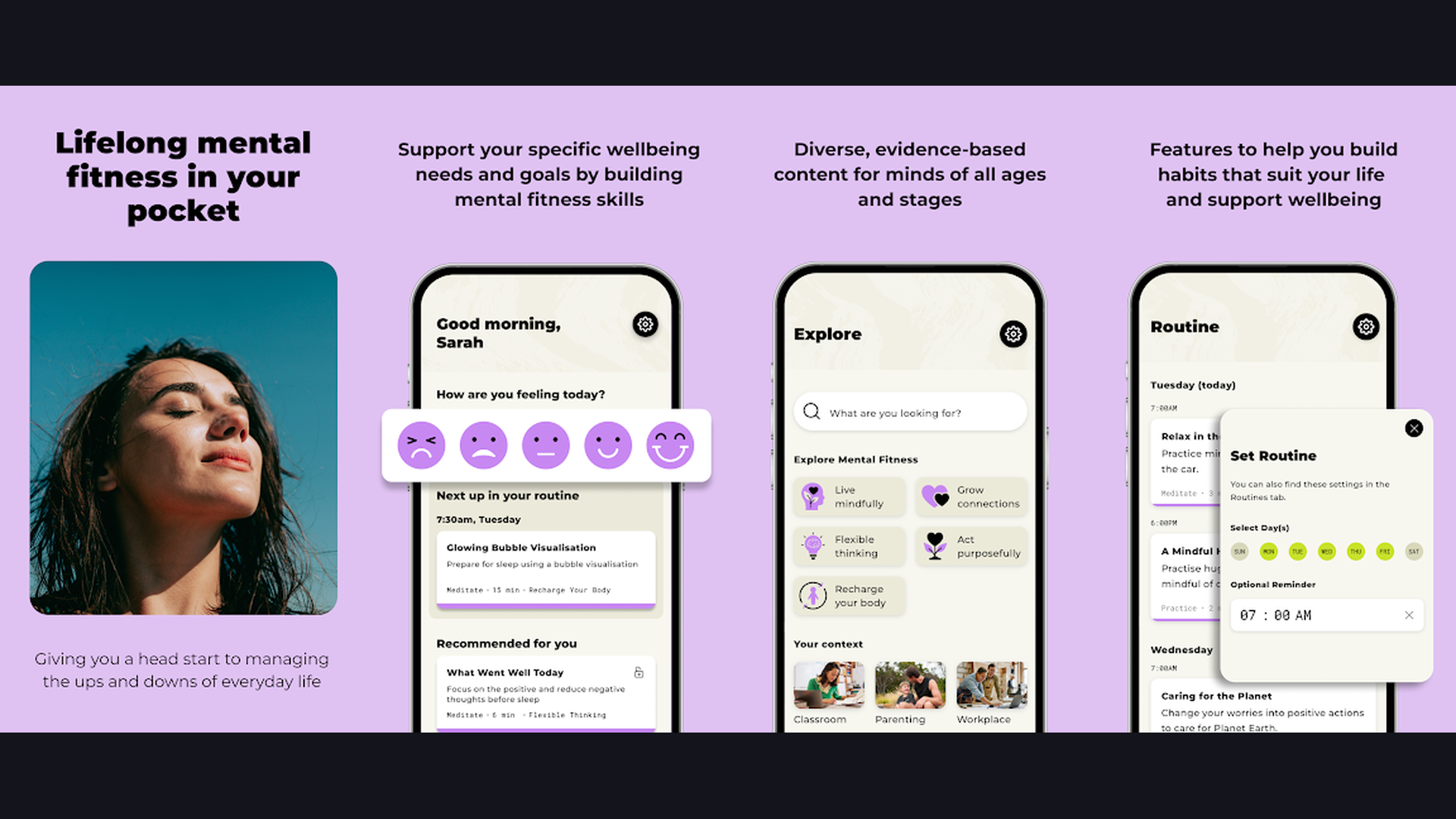
Smiling Mind is the only completely free, non-profit meditation app developed by psychologists and educators, offering over 300 structured meditation programs organized by age group and life stage, with programs specifically designed for university students, workplace stress, sleep improvement, and relationship management. Smiling Mind is unique because it was developed by a non-profit organization dedicated to making mindfulness accessible to everyone. There are no premium tiers, no paywalled content, no ads, and no upselling. The entire meditation library is genuinely free. The university-specific programs address academic pressure, social anxiety, perfectionism, time management stress, and transitions between study and personal life. The programs are organized into structured multi-session courses rather than individual standalone meditations, building skills progressively. The sleep program guides you through body scans and visualization techniques. The relationship program improves communication with supervisors, peers, and partners. The workplace program (relevant for grad students who TA or work part-time) addresses professional stress. Smiling Mind is 100% free forever. For grad students wanting psychologist-designed meditation without any cost, Smiling Mind is exceptional. Boost your networking at career development apps.
Which Health and Fitness App to Choose
Best for Meditation and Stress Relief
- Insight Timer - Largest free meditation library (300,000+ sessions)
- Headspace - Best structured beginner curriculum for meditation
- Calm - Best for sleep and evening relaxation
- Smiling Mind - Best completely free non-profit option
Best for Workouts and Exercise
- FitOn - Best free workout video library (no equipment needed)
- Nike Training Club - Best structured training programs (100% free)
- Strong - Best for weight training and gym logging
- Strava - Best for runners and cyclists with social features
Best for Nutrition Tracking
- MyFitnessPal - Largest food database with barcode scanner
- Cronometer - Most precise micronutrient tracking (84 nutrients)
Best for Sleep
- Sleep Cycle - Best smart alarm and sleep stage tracking
- BetterSleep - Best customizable sleep soundscapes
- Calm - Best Sleep Stories for racing minds
Wellness Tips for Grad Students
- Start with 10-Minute Movement Breaks - You do not need hour-long gym sessions. Research shows that even 10 minutes of moderate exercise significantly improves cognitive function, memory consolidation, and mood. Use FitOn or Nike Training Club for quick bodyweight workouts between study sessions. Set a timer every 90 minutes to stand, stretch, and move. These micro-exercise habits compound into major health benefits over the course of a semester.
- Use the 4-7-8 Breathing Technique for Instant Stress Relief - Before presentations, exams, or meetings with your advisor, try the 4-7-8 technique: inhale for 4 seconds, hold for 7 seconds, exhale for 8 seconds. Repeat 4 times. This activates your parasympathetic nervous system and physically reduces cortisol within 60 seconds. Both Headspace and Calm include guided versions of this technique. Practice it daily so it becomes automatic when you need it most.
- Protect Your Sleep Schedule Above All Else - Pulling all-nighters to meet deadlines is counterproductive. Sleep deprivation impairs memory consolidation (exactly what you need for research), reduces creative problem-solving ability, increases emotional reactivity, and weakens immune function. Use Sleep Cycle to identify your optimal sleep window and protect it fiercely. Even maintaining a consistent wake time on weekends dramatically improves sleep quality. Track your patterns with wellbeing apps.
- Meal Prep on Sundays to Avoid Convenience Food Traps - Grad students default to fast food and vending machines during crunch periods. Spending 2-3 hours on Sunday preparing meals for the week saves money, improves nutrition, and eliminates decision fatigue around food. Use Cronometer or MyFitnessPal to plan balanced meals, then batch cook proteins, grains, and vegetables. Focus on brain-supportive foods: fatty fish, nuts, berries, leafy greens, and whole grains.
- Find an Exercise You Actually Enjoy - Sustainability matters more than intensity. If you hate running, do not force yourself to run. Try yoga through FitOn, cycling through Strava, walking with a podcast, swimming, dance workouts, or martial arts. The best exercise is the one you will actually do consistently. Experiment with different activities until you find something that feels like a break from academia rather than another obligation.
- Build a Pre-Sleep Wind-Down Routine - Create a consistent 30-minute pre-bed ritual that signals your brain to transition from work mode to sleep mode. Close your laptop at a fixed time. Use BetterSleep to create a calming soundscape. Do a 10-minute Calm Sleep Story or Headspace sleep meditation. Avoid screens during this period or use night mode. This routine becomes a Pavlovian trigger for drowsiness after a few weeks of consistency. Find more wellness tips at health and fitness wellness.
- Join a Fitness Community for Accountability - Grad school can be isolating. Joining a Strava running club, attending live FitOn classes, or participating in Insight Timer group meditations adds social connection to your wellness routine. The accountability of knowing others expect you to show up dramatically increases consistency. Many universities also offer free or discounted gym memberships and group fitness classes worth investigating.
- Track One Metric at a Time - Trying to simultaneously track calories, steps, sleep, meditation minutes, water intake, and workout frequency is overwhelming and unsustainable. Choose the single health metric that would make the biggest difference in your life right now and focus exclusively on that for 30 days. Once it becomes habitual, add another. For most grad students, sleep quality or daily movement are the highest-impact starting points. Organize your goals with digital planner apps.
Frequently Asked Questions
What is the best free health app for grad students?
Nike Training Club and FitOn are the best free workout apps, offering extensive video workout libraries without any subscription. Insight Timer is the best free meditation app with over 300,000 free guided meditations. Smiling Mind is the best completely free meditation app with no premium tier at all. For nutrition tracking, MyFitnessPal free tier covers basic calorie and macro logging. Combined, these four free apps cover exercise, mental health, and nutrition without spending anything.
How can I exercise with a busy grad school schedule?
Focus on short, high-impact workouts rather than long gym sessions. FitOn and Nike Training Club both offer 10-15 minute HIIT and bodyweight workouts that can fit between classes or study blocks. Schedule workouts like you schedule meetings -- put them in your calendar as non-negotiable appointments. Use exercise as study breaks: research shows 10 minutes of movement improves cognitive performance for up to 2 hours afterward. Walk during phone calls, take stairs, and do desk stretches between writing sessions.
Which meditation app is best for academic anxiety?
Headspace is the best choice for academic anxiety specifically because it has structured courses on Managing Anxiety, Stress, and Focus, plus SOS sessions for acute stress before exams or presentations. Calm is better if your anxiety manifests primarily as insomnia, thanks to its Sleep Stories and breathing exercises. Insight Timer is best if you want variety, with specific meditations for exam anxiety, imposter syndrome, and dissertation stress from thousands of different teachers. Smiling Mind has programs specifically designed for university students.
Do I need premium subscriptions for these apps?
No, many of these apps are genuinely useful on their free tiers. Nike Training Club, FitOn, Smiling Mind, and Insight Timer provide extensive free content. MyFitnessPal free tier handles basic calorie tracking. Sleep Cycle free tier includes smart alarm functionality. Strava free tier covers GPS tracking and activity logging. Premium subscriptions add advanced features, but grad students on a budget can build a comprehensive health routine using only free features. Many universities also provide free or discounted access to apps like Headspace and Calm through student wellness programs.
How much exercise do grad students actually need?
The WHO recommends 150 minutes of moderate aerobic activity per week (about 22 minutes daily) plus 2 strength training sessions. However, even significantly less than this provides measurable benefits. Studies show that just 10 minutes of brisk walking improves focus and mood for hours. The key for grad students is consistency over intensity: four 15-minute sessions per week are more beneficial than one exhausting 60-minute session. Start with what feels manageable and build gradually.
Can apps really help with grad school burnout?
Apps are not a substitute for systemic changes (setting boundaries, communicating with advisors, taking breaks), but they provide valuable tools for managing symptoms. Meditation apps like Headspace and Calm teach cognitive reframing techniques that reduce the emotional intensity of stressors. Exercise apps like FitOn provide endorphin-boosting movement that counteracts sedentary academic life. Sleep apps like Sleep Cycle help identify and fix sleep patterns that exacerbate burnout. Nutrition apps ensure your brain is properly fueled. The combination of movement, mindfulness, sleep, and nutrition creates a resilience foundation that makes burnout less likely and recovery faster.
Final Thoughts
Graduate school demands everything from you intellectually, but your body and mind are the engines that power your academic work. Neglecting health and fitness during grad school is like running a marathon without hydration -- you might survive, but you will perform far below your potential. The 12 apps in this guide cover every dimension of student wellness: Insight Timer and Headspace quiet the academic noise, FitOn and Nike Training Club keep you moving without gym fees, MyFitnessPal and Cronometer ensure proper fueling, Sleep Cycle and BetterSleep optimize your recovery, Strava connects you with active communities, Strong tracks your gym progress, Calm melts away bedtime stress, and Smiling Mind provides psychologist-designed support completely free. Start with one app, build one habit, and let the momentum carry you toward sustainable wellness alongside academic excellence. For more productivity tools, check out our guides on note-taking apps, financial management tools, and photo editing apps.