
Graduate school is one of the most intellectually rewarding and emotionally taxing experiences in higher education. Between thesis deadlines, qualifying exams, teaching responsibilities, research demands, and the constant pressure to publish, graduate student mental health, physical wellness, and emotional resilience face extraordinary challenges. Studies consistently show that graduate students experience anxiety, depression, and burnout at rates significantly higher than the general population.
The good news: your smartphone can become a powerful wellness toolkit. This guide reviews 12 of the best health and wellbeing apps for graduate students in 2026, covering mental health support, meditation and mindfulness, sleep optimization, nutrition tracking, focus enhancement, and professional therapy access. Each app is specifically evaluated for how well it serves the unique challenges of graduate academic life. For more student-focused recommendations, explore our guides on apps for grad students, note-taking apps, Mac study tools, and digital planners.
Table of Contents
- Daylio (Rating 4.7)
- Insight Timer (Rating 4.7)
- BetterHelp (Rating 4.6)
- Calm (Rating 4.5)
- MyFitnessPal (Rating 4.4)
- Forest (Rating 4.4)
- Fastic (Rating 4.4)
- Sleep Cycle (Rating 4.3)
- Headspace (Rating 4.3)
- Noom (Rating 4.1)
- Woebot (Rating 3.5)
- Happify (Rating 3.3)
- Which App Is Right for Your Needs?
- Wellness Tips for Graduate Students
- Frequently Asked Questions
1. Daylio (Rating 4.7)
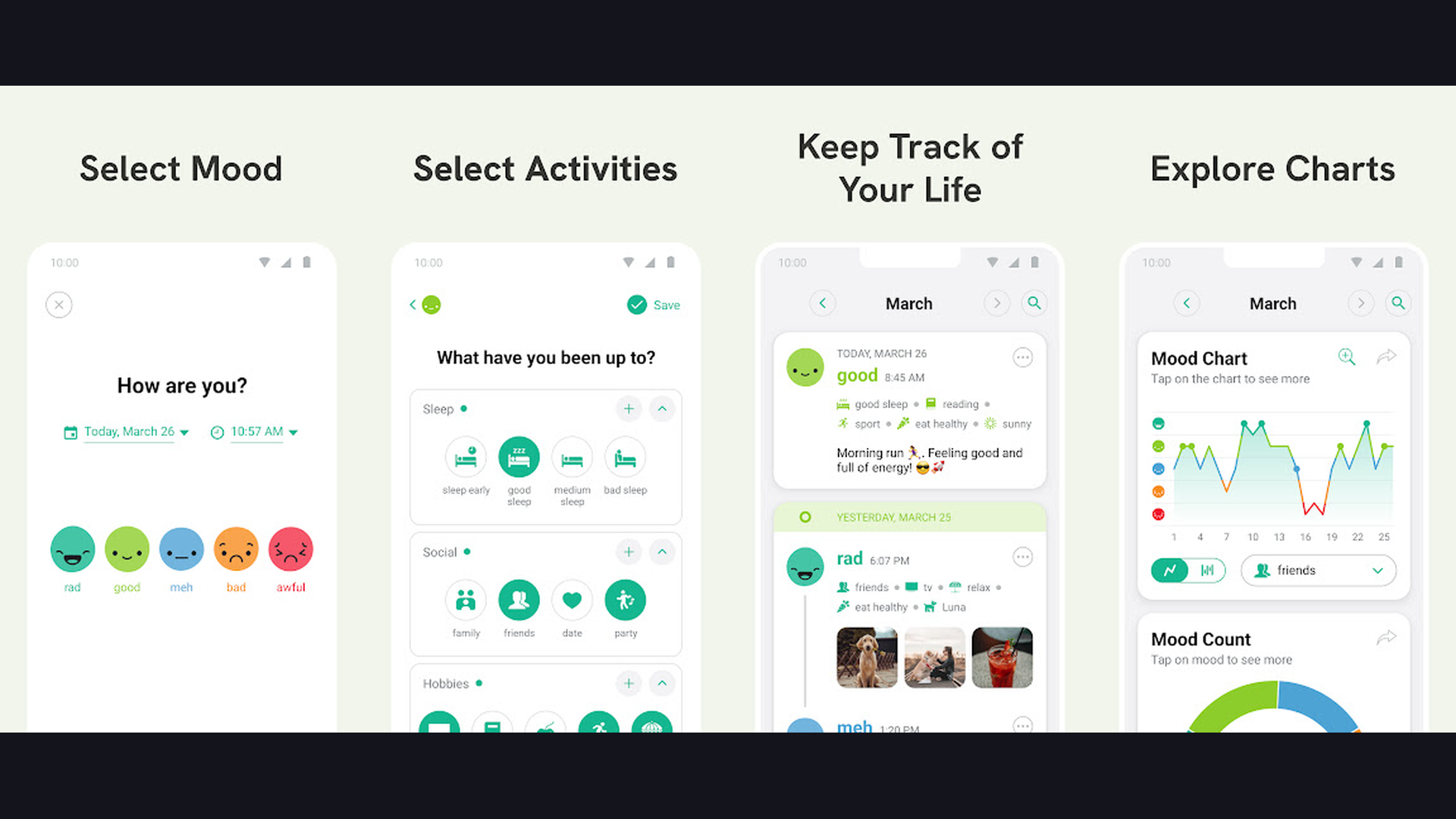
Daylio is the highest-rated mood tracking and micro-journaling app, perfectly designed for graduate students who want to identify emotional patterns, track burnout triggers, and maintain mental health awareness without the time commitment of traditional journaling. Graduate school is emotionally demanding, and Daylio makes self-awareness effortless. Instead of writing paragraphs, you simply tap your current mood (from great to awful) and select activities you did that day: studying, exercising, socializing, sleeping well, or skipping meals. Over weeks and months, Daylio builds powerful visualizations showing exactly which activities correlate with your best and worst moods. The statistics dashboard reveals patterns you might never notice otherwise: perhaps your mood consistently drops after three consecutive days of solo study, or improves dramatically on days you exercise. The streak system encourages consistent tracking. The customizable activities let you add academic-specific entries like "thesis writing," "lab work," "advisor meeting," or "conference prep." The reminder system ensures you never forget to log. The privacy PIN protects sensitive emotional data. Daylio is free with Premium from $2.99/month. For grad students who want effortless mood tracking that reveals emotional patterns and burnout risks, Daylio is essential. Organize your academic life with grad student apps.


2. Insight Timer (Rating 4.7)
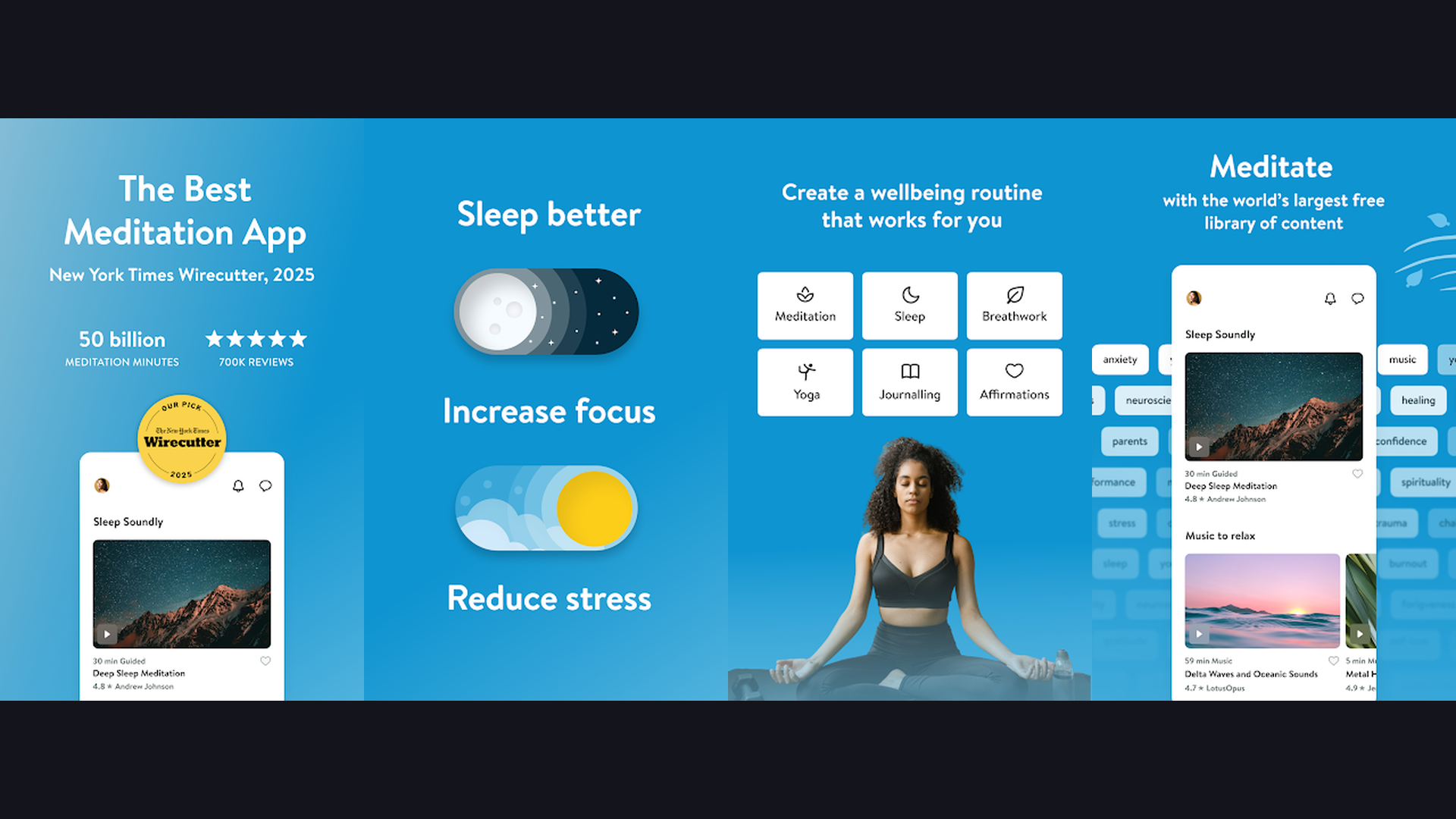
Insight Timer is the world largest free meditation library with over 200,000 guided meditations, music tracks, talks, and courses, making it the most budget-friendly mindfulness app for graduate students on tight stipends. When you are living on a graduate stipend, paying $15/month for a meditation app is a tough sell. Insight Timer solves this by offering its massive library completely free. The content covers every meditation style: mindfulness, body scan, loving-kindness, visualization, yoga nidra, breathwork, and focused attention. The academic stress collection includes meditations specifically for exam anxiety, presentation nerves, impostor syndrome, and research frustration. The sleep section features music, nature sounds, and guided sleep meditations. The timer function lets you meditate independently with interval bells. The community features connect you with other meditators worldwide. The courses section offers structured multi-day programs on topics like stress resilience, self-compassion, and emotional regulation. The teacher profiles let you find meditation styles that resonate with you. Insight Timer is free with optional Premium from $9.99/month. For grad students who want the most meditation content for the least money, Insight Timer is unbeatable. Explore more wellness apps.
3. BetterHelp (Rating 4.6)
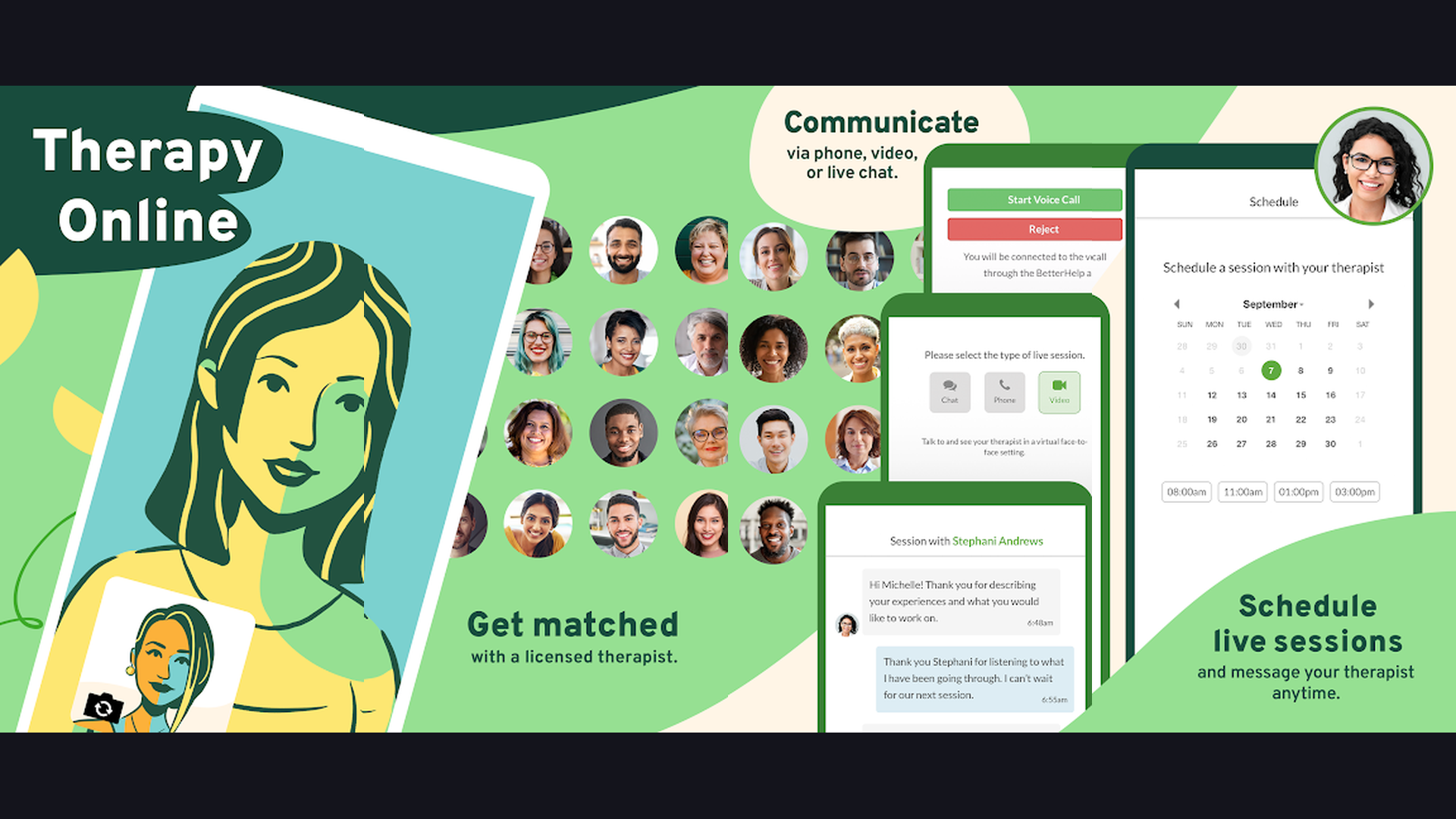
BetterHelp is the world largest online therapy platform, connecting graduate students with licensed therapists through video, phone, and messaging for flexible, accessible mental health support that works around demanding academic schedules. Graduate school mental health challenges often go beyond what meditation apps can address. Anxiety disorders, depression, relationship stress, identity crises, burnout, and impostor syndrome frequently require professional support. BetterHelp makes therapy accessible by matching you with a licensed therapist based on your specific concerns, preferences, and schedule. The unlimited messaging feature lets you write to your therapist anytime, which is particularly valuable during late-night study sessions when anxiety peaks. Weekly live video or phone sessions provide structured therapeutic support. The therapist matching system considers your preferences for specialization, communication style, and demographic factors. The journal feature between sessions helps process thoughts. The groupinars offer topic-specific workshops. BetterHelp offers financial aid and student discounts, typically $65-90/week. For grad students experiencing clinical-level anxiety, depression, or burnout that requires professional intervention, BetterHelp is the most accessible therapy option. Check out AI wellness tools.
4. Calm (Rating 4.5)
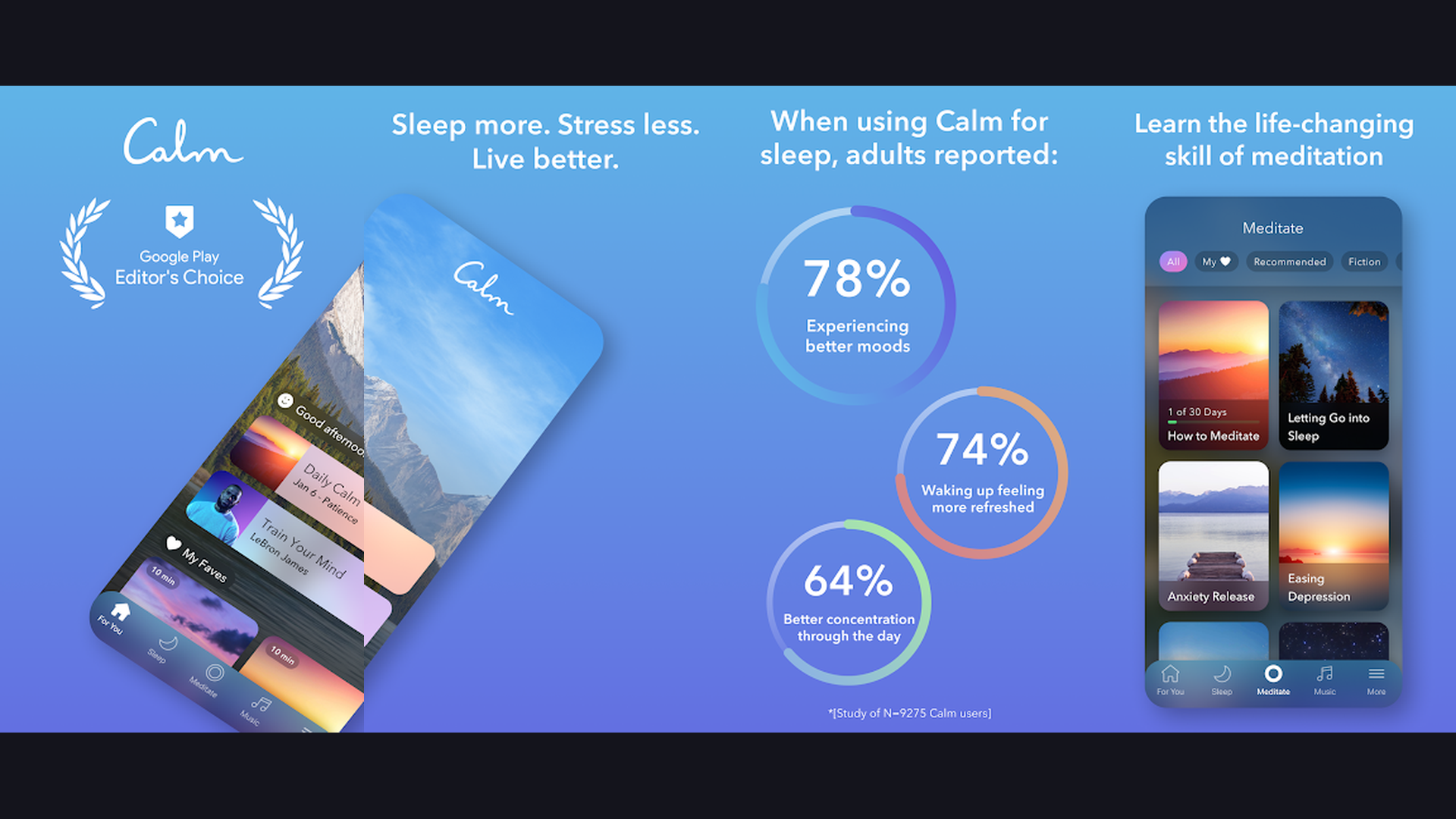
Calm is the leading sleep and meditation app featuring celebrity-narrated Sleep Stories, breathing exercises, soothing soundscapes, and guided meditation programs specifically designed to reduce anxiety and improve sleep quality for stressed students. Sleep deprivation is one of the most common and damaging health issues among graduate students, and Calm addresses it with unmatched elegance. The Sleep Stories library features narrated tales from voices like Matthew McConaughey, Stephen Fry, and Harry Styles that gently guide you to sleep. The Daily Calm provides a fresh 10-minute meditation every day, building a consistent mindfulness habit. The breathing exercises include Box Breathing, 4-7-8 breathing, and other techniques for acute stress relief during advisor meetings or qualifying exams. The focus music collection provides hours of concentration-enhancing ambient sounds for deep study sessions. The masterclass series covers stress management, emotional intelligence, and resilience building. The anxiety-specific programs use evidence-based techniques. The nature sounds and rain recordings create calming study environments. Calm is free (limited) or Premium from $14.99/month ($69.99/year). For grad students who struggle with sleep quality and need structured meditation programs, Calm delivers premium relaxation. Pair with study tools.
5. MyFitnessPal (Rating 4.4)
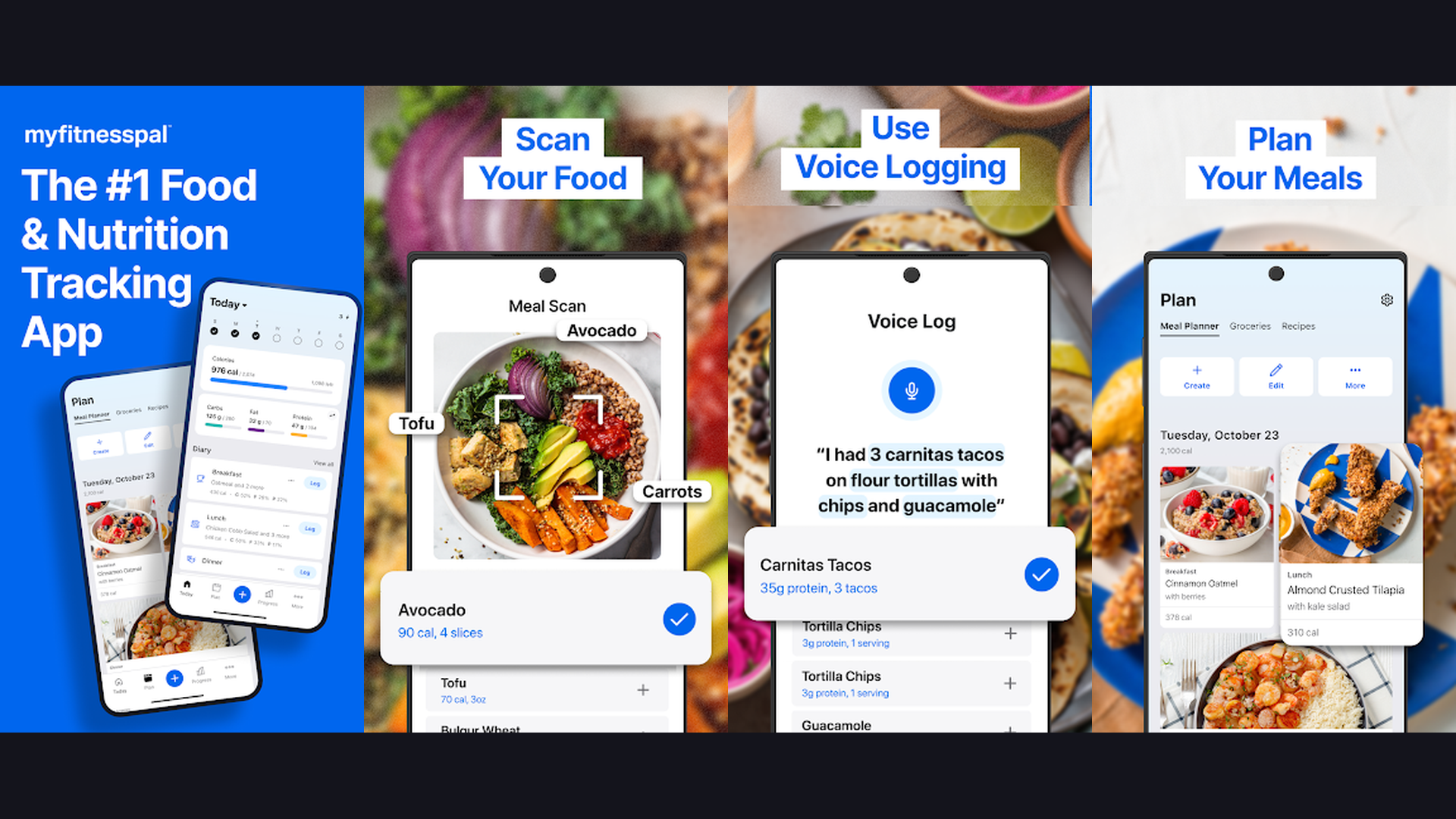
MyFitnessPal is the most comprehensive nutrition and calorie tracking app with the world largest food database of over 14 million foods, barcode scanning, meal logging, and macronutrient tracking to help graduate students maintain proper nutrition during demanding academic periods. Graduate students are notorious for terrible eating habits: skipping meals during crunch periods, living on coffee and ramen, stress-eating during exam weeks, and neglecting nutritional balance entirely. MyFitnessPal provides the awareness tool to break these patterns. The barcode scanner instantly logs packaged foods. The recipe calculator breaks down homemade meals. The meal planning feature helps batch-cook healthy meals on weekends. The macro tracking ensures you are getting adequate protein, carbohydrates, and fats for brain function. The water tracking prevents dehydration, which directly impacts cognitive performance. The integration with fitness apps and wearables creates a complete health picture. The community forums offer support and recipe ideas. The streak system encourages consistent logging. MyFitnessPal is free with Premium from $9.99/month. For grad students who want to track nutrition and break unhealthy eating patterns, MyFitnessPal is the most powerful food logging tool. Track health with fitness apps.
6. Forest (Rating 4.4)
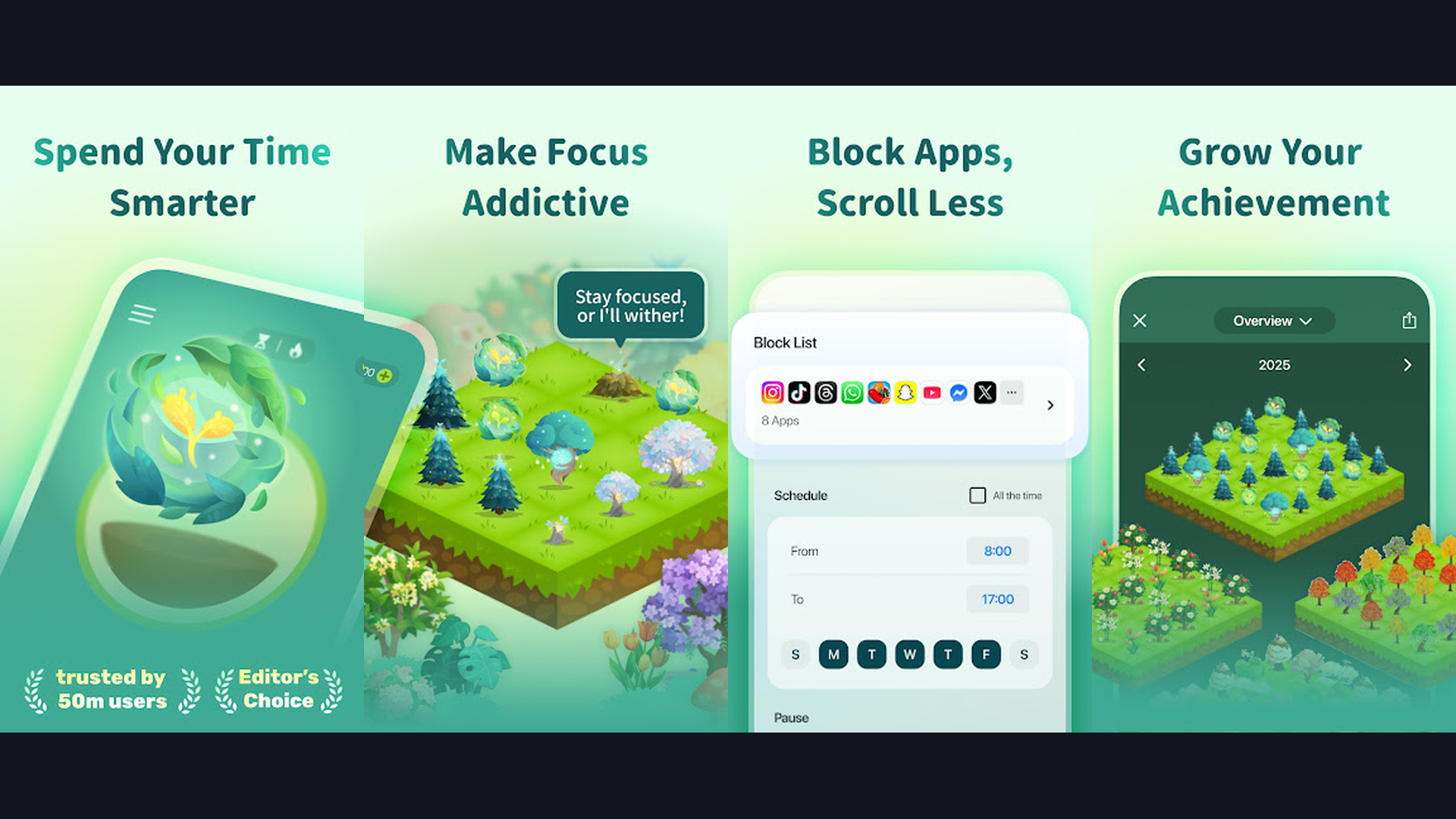
Forest is a gamified focus and productivity app that helps graduate students reduce phone distractions by growing virtual trees during study sessions, with real-tree planting partnerships that turn your academic discipline into environmental impact. Phone addiction is a significant barrier to graduate productivity, and Forest addresses it with a brilliantly simple mechanic. Set a timer for your study session (25 minutes to 2 hours) and a virtual tree begins growing on your screen. If you leave the app to check social media, the tree dies. Complete the session and the tree joins your virtual forest. Over time, you build a beautiful forest that visualizes your accumulated focus time. The real magic: Forest partners with Trees for the Future to plant actual trees as you earn virtual coins. Graduate students have collectively planted millions of real trees. The detailed statistics show daily, weekly, and monthly focus trends. The tag system lets you categorize sessions (thesis writing, reading, lab work). The group planting feature lets study groups grow trees together. The whitelist allows necessary apps without killing your tree. Forest is $3.99 one-time purchase (Android free with ads). For grad students who need a fun, effective way to reduce phone distractions during study, Forest is brilliantly effective. Plan study sessions with planner apps.
7. Fastic (Rating 4.4)
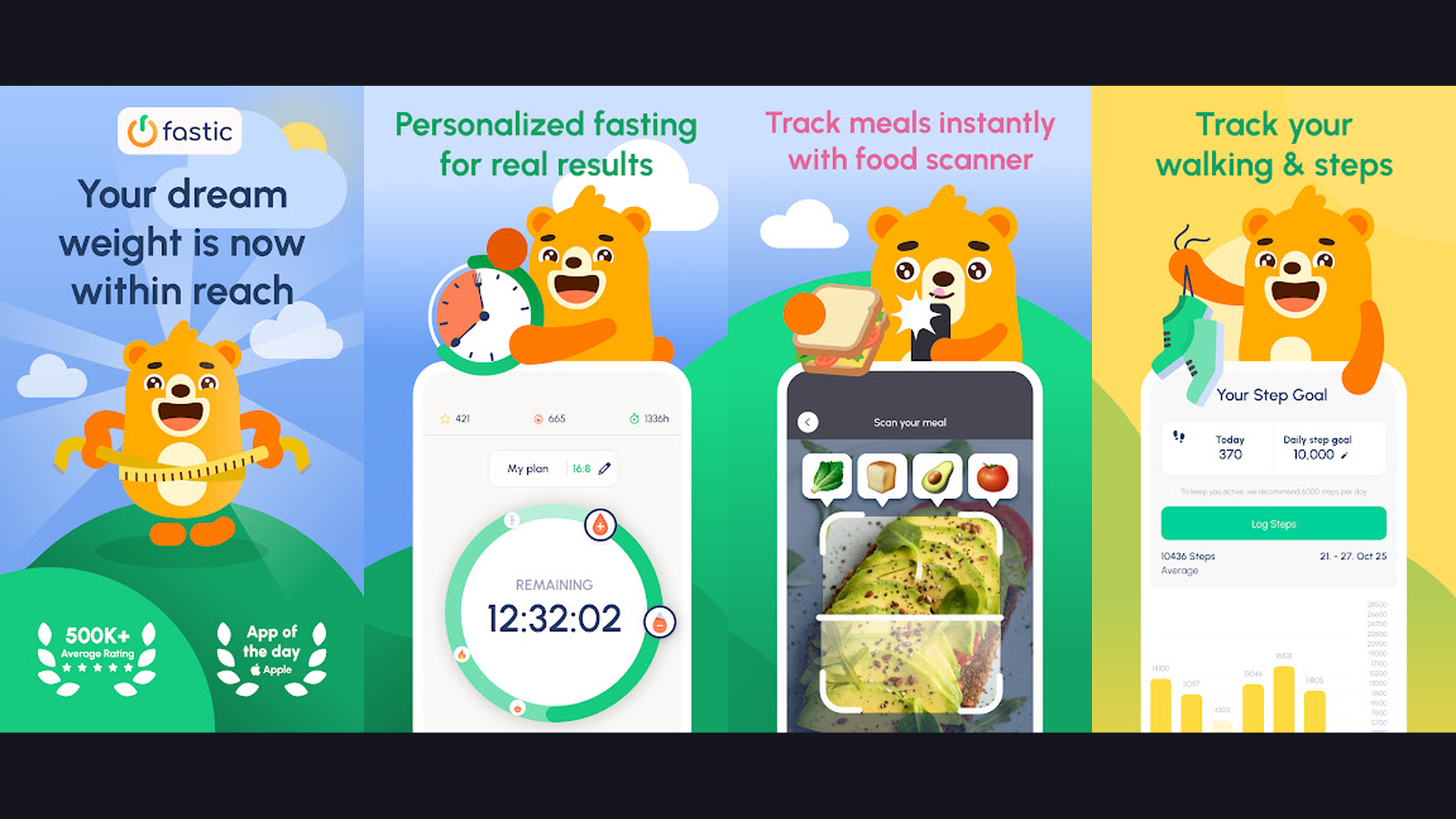
Fastic is a leading intermittent fasting and wellness app that helps graduate students establish structured eating patterns, improve energy levels, and maintain healthy weight through guided fasting protocols and nutritional tracking. Irregular eating schedules are a hallmark of graduate life: late nights in the lab, skipped breakfasts, midnight snacking while writing papers, and caffeine-fueled study marathons. Fastic helps introduce structure through intermittent fasting protocols (16:8, 18:6, 5:2, and custom schedules). The beautifully animated fasting timer makes tracking your eating window simple and engaging. The educational content explains the science behind fasting, including cognitive benefits like improved focus and mental clarity. The hydration tracker encourages water intake during fasting windows. The step counter integrates movement tracking. The community features include challenges and leaderboards for motivation. The meal logging system tracks what you eat during eating windows. The progress dashboard visualizes fasting streaks, weight trends, and health metrics. Fastic is free with Premium from $4.99/month. For grad students who want to establish structured eating patterns and improve energy through intermittent fasting, Fastic provides excellent guided support. Complement with health tracking apps.
8. Sleep Cycle (Rating 4.3)
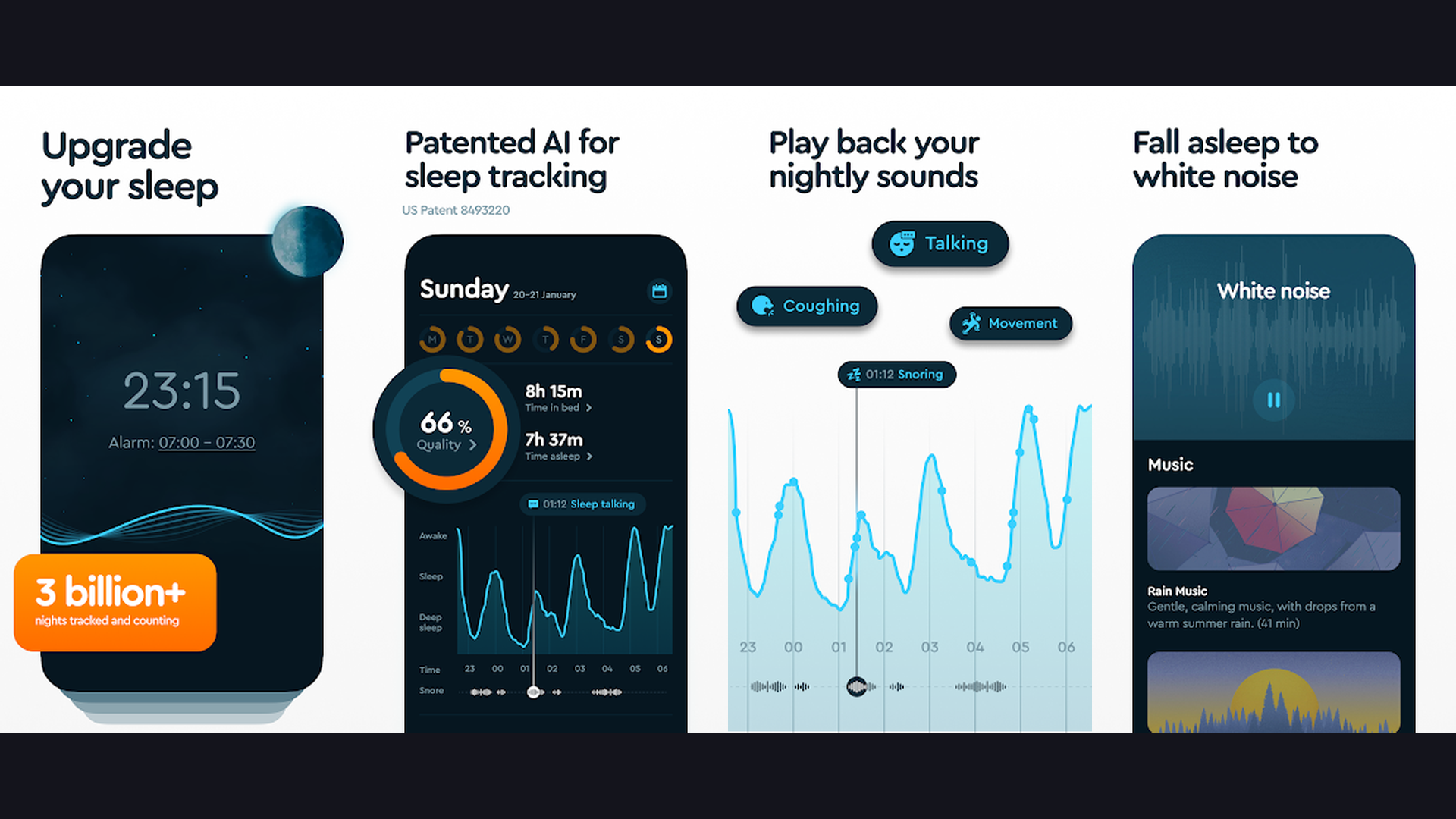
Sleep Cycle is a smart sleep tracking and alarm app that monitors your sleep phases using sound analysis, waking you during your lightest sleep stage so you feel more rested and alert for demanding academic days. The difference between waking up during deep sleep versus light sleep dramatically affects your entire day. Sleep Cycle uses your phone microphone to analyze breathing patterns and movement sounds, detecting which sleep phase you are in. The smart alarm wakes you within a customizable window (up to 30 minutes before your set time) during your lightest sleep phase. The result: you wake up feeling significantly more refreshed even with the same total sleep hours. The detailed sleep analysis shows time in bed versus time asleep, sleep quality score, snoring detection, and sleep phase graphs. The trends dashboard reveals patterns over weeks and months: how does caffeine timing affect your sleep? Do you sleep better after exercise? Is your sleep quality declining during exam periods? The sleep aid sounds include nature recordings, white noise, and guided relaxation. Sleep Cycle is free with Premium from $3.33/month. For grad students who want to optimize limited sleep time and wake up more refreshed, Sleep Cycle is essential. Manage sleep with phone optimization tools.
9. Headspace (Rating 4.3)
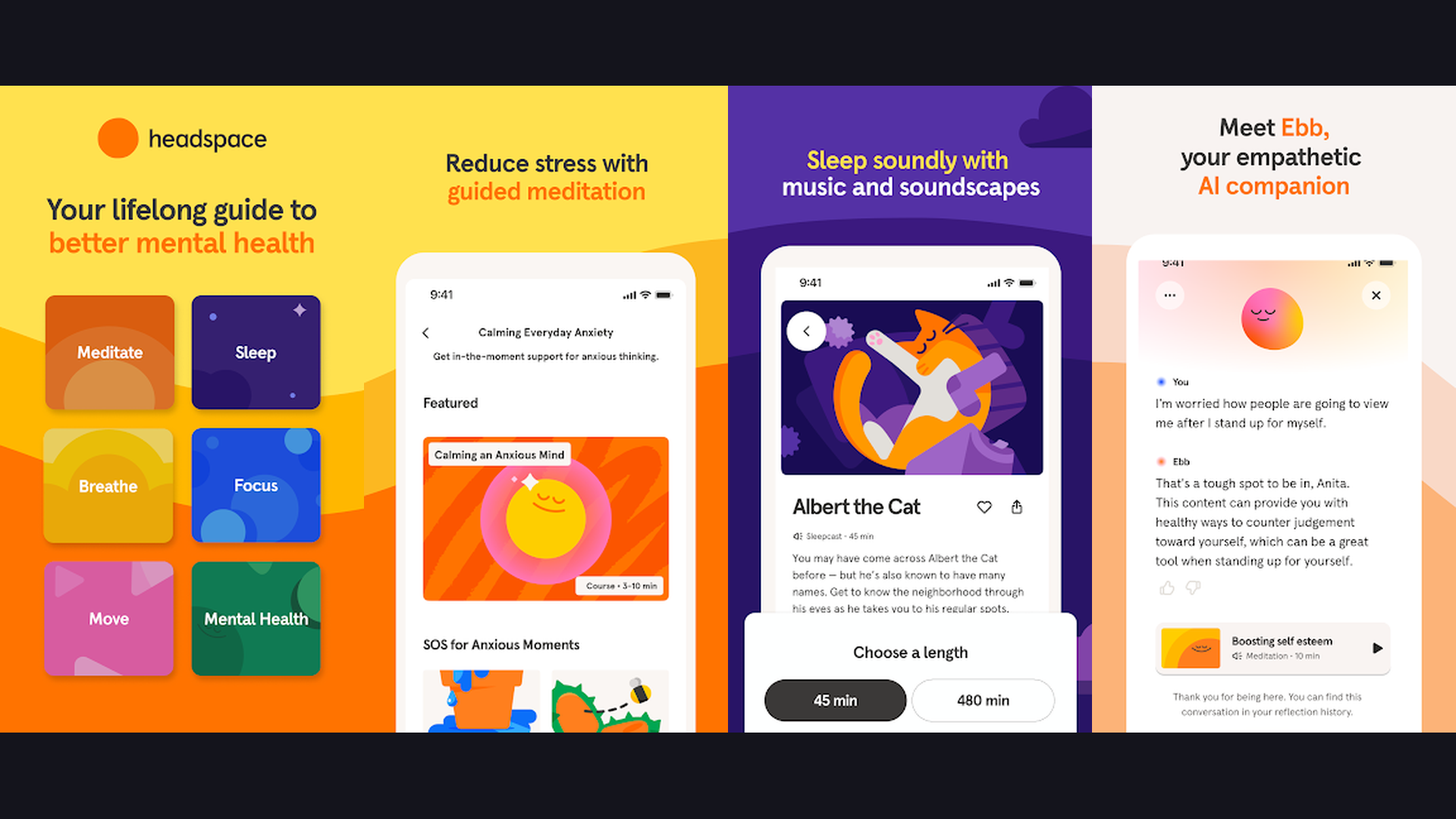
Headspace is the most structured and beginner-friendly meditation app, offering guided courses on stress, focus, sleep, anxiety, and emotional resilience, with a foundation course that teaches meditation from absolute zero. Many graduate students know they should meditate but have no idea where to start. Headspace solves this with the Basics course: a structured 10-day introduction that teaches meditation fundamentals in 3-10 minute sessions. The progressive course structure then branches into specialized topics: managing anxiety (critical during qualifying exams), improving focus (essential for reading dense academic papers), building resilience (necessary for handling rejection from journals and funding agencies), and improving sleep (needed after late-night lab sessions). The SOS meditations provide immediate relief during acute stress moments. The Focus music section provides concentration-enhancing soundtracks. The move section guides short exercise routines perfect for study breaks. The sleepcasts combine ambient sounds with narration to ease you to sleep. Many universities offer free Headspace subscriptions to students. Headspace is free (limited) or Premium from $12.99/month ($69.99/year). For beginners who want the most structured introduction to meditation with academic-relevant programs, Headspace is the ideal starting point. Learn better with study apps.
10. Noom (Rating 4.1)
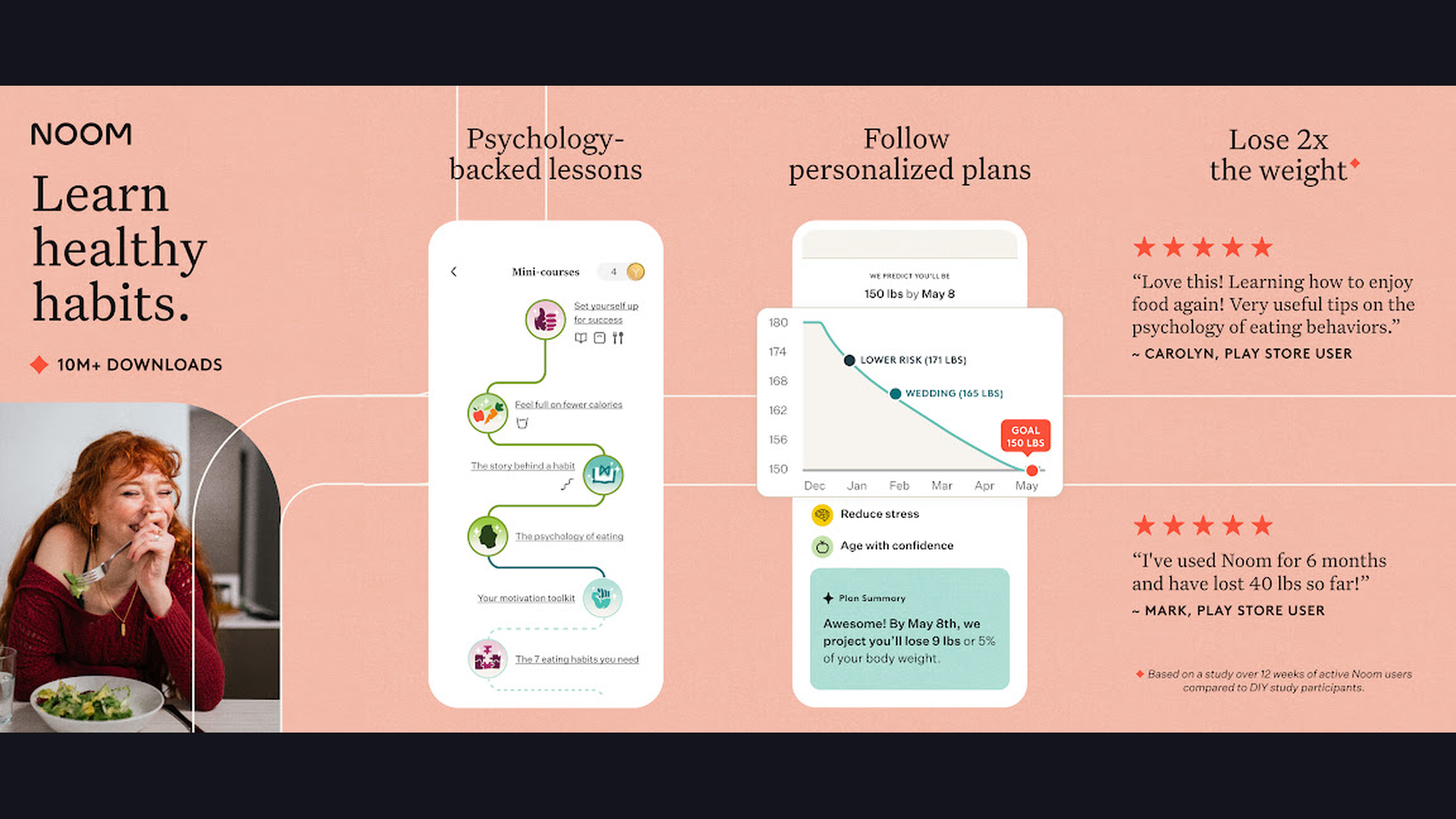
Noom is a psychology-based health and weight management app that uses cognitive behavioral therapy techniques to help graduate students understand and change unhealthy eating behaviors, stress eating patterns, and sedentary habits. Noom goes beyond simple calorie counting to address the psychology behind why graduate students eat poorly. The daily lessons are short (5-10 minutes) and grounded in CBT, teaching you to recognize emotional triggers for eating, reframe negative self-talk about body image, and build sustainable healthy habits. The color-coded food system (green, yellow, red) simplifies nutrition decisions without requiring detailed macro tracking. The personal coach provides accountability and support. The group feature connects you with others on similar health journeys. The weight tracking shows trends rather than daily fluctuations to prevent obsessive weighing. The exercise logging integrates movement into your health plan. The focus on behavioral change rather than restrictive dieting makes Noom particularly suitable for graduate students who stress-eat during high-pressure periods. Noom requires a subscription from $16.99/month (discounts for longer plans). For grad students who want to understand the psychology behind unhealthy eating and build sustainable habits, Noom is the most evidence-based approach. Explore more student tools.
11. Woebot (Rating 3.5)
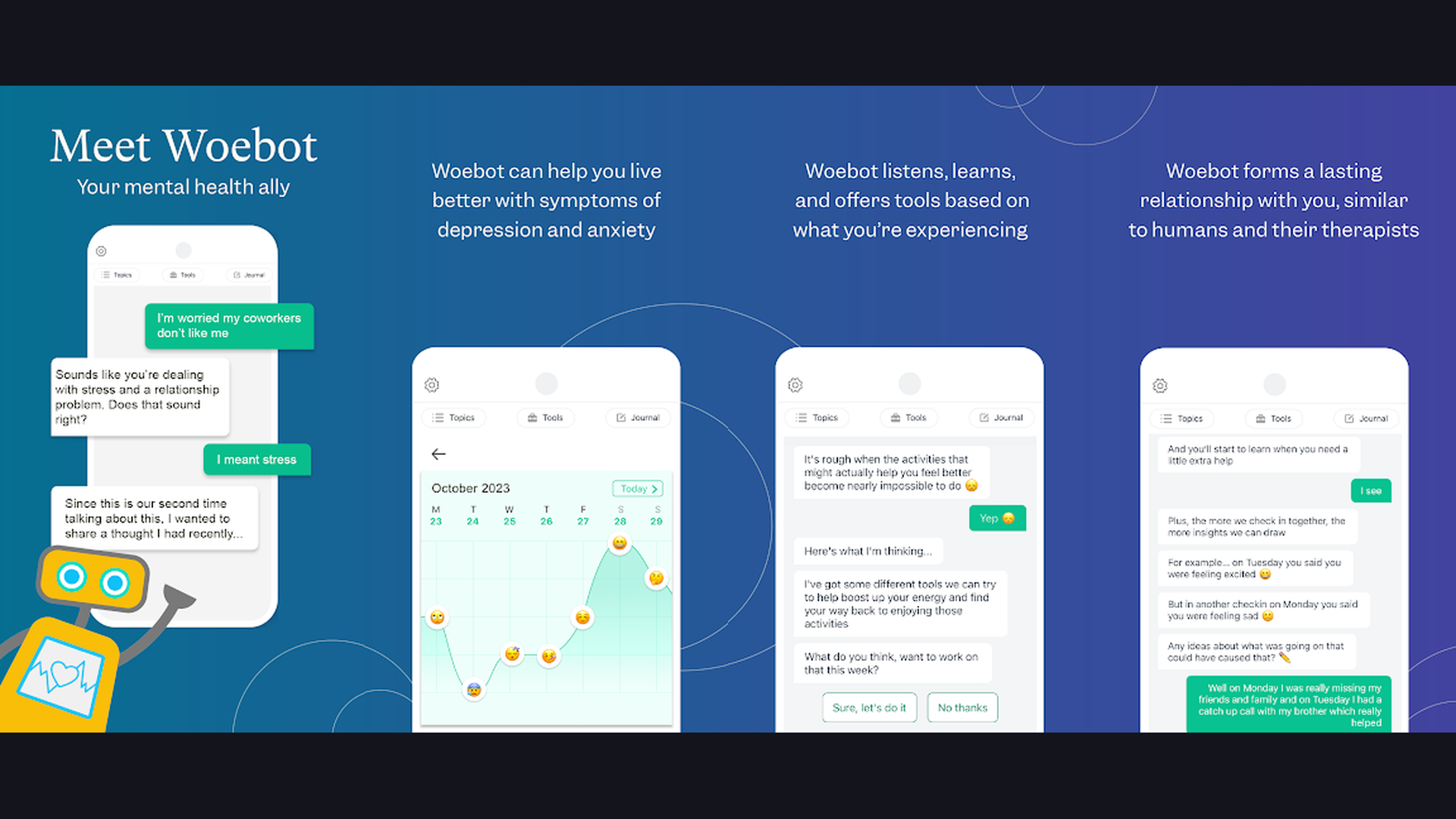
Woebot is an AI-powered mental health chatbot that uses cognitive behavioral therapy (CBT) and dialectical behavior therapy (DBT) techniques to help graduate students manage anxiety, depression, and stress through daily conversational check-ins. Not every stressed graduate student needs a therapist, but many would benefit from daily mental health support. Woebot fills this gap brilliantly. The AI chatbot engages you in brief daily conversations that identify negative thought patterns, teach CBT reframing techniques, guide breathing exercises, and track your emotional states over time. The conversations feel natural and supportive rather than clinical. Woebot teaches specific CBT skills: identifying cognitive distortions (catastrophizing before a presentation, all-or-nothing thinking about grades), challenging negative automatic thoughts, and developing healthier thought patterns. The DBT-informed skills include distress tolerance techniques and emotional regulation strategies. The mood tracking between conversations builds a longitudinal picture of your mental health. The gratitude exercises and mindfulness moments provide positive psychological interventions. Woebot is free to use. For grad students who want free, daily CBT-based mental health support without scheduling therapy, Woebot is an accessible first step. Combine with AI assistant tools.
12. Happify (Rating 3.3)
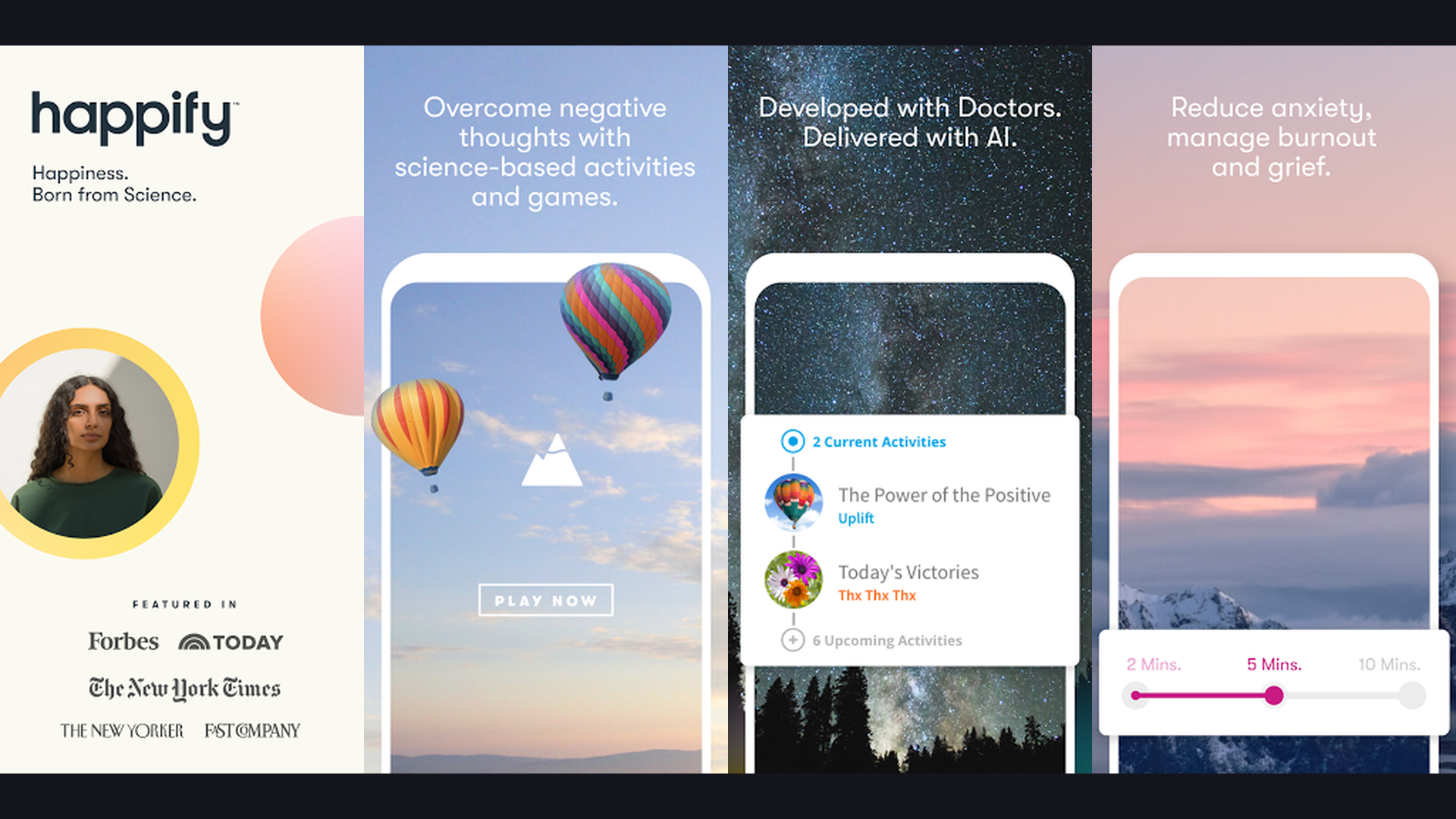
Happify is a science-based emotional wellbeing platform that uses positive psychology activities, games, and guided tracks to build resilience, reduce stress, and increase happiness through evidence-based interventions. Academic environments can be relentlessly negative: constant criticism of work, rejection from journals, comparison with peers, and impostor syndrome. Happify counteracts this negativity with structured positive psychology programs. The guided tracks address specific challenges: overcoming negative thinking, building confidence, coping with stress, managing health conditions, and improving relationships. The activities are based on research from institutions like Harvard, UC Berkeley, and the University of Pennsylvania. The games are designed to retrain your brain away from negative attention biases toward more balanced emotional processing. The gratitude exercises build appreciation for what is going well amid academic pressures. The mindfulness activities provide stress relief. The community features connect you with others working on similar emotional goals. The assessments track your happiness and emotional wellbeing scores over time. Happify is free (limited) or Premium from $11.99/month. For grad students who want structured, science-based programs to build resilience and combat academic negativity, Happify provides proven positive psychology interventions. Manage academic life with planning tools.
Which App Is Right for Your Needs?
Best for Mental Health and Emotional Support
- BetterHelp - Professional therapy for clinical anxiety and depression
- Woebot - Free daily CBT-based mental health chatbot
- Daylio - Mood tracking to identify emotional patterns and triggers
Best for Meditation and Mindfulness
- Insight Timer - Largest free meditation library (best for tight budgets)
- Headspace - Most structured beginner-friendly courses
- Calm - Best for sleep and relaxation (Sleep Stories)
Best for Sleep Optimization
- Sleep Cycle - Smart alarm that wakes you during lightest sleep
- Calm - Sleep Stories and soothing soundscapes
Best for Nutrition and Physical Health
- MyFitnessPal - Most comprehensive food and calorie tracking
- Noom - Psychology-based behavioral change for eating habits
- Fastic - Structured intermittent fasting for irregular schedules
Best for Focus and Productivity
- Forest - Gamified focus timer that plants real trees
- Headspace - Focus music and concentration meditations
Best Free Options
- Insight Timer - 200,000+ free meditations
- Woebot - Free AI-powered CBT support
- Daylio - Free basic mood tracking
- Forest - Free on Android with ads
Wellness Tips for Graduate Students
- Prioritize Sleep Over Extra Study Hours - Research consistently shows that sleep deprivation impairs cognitive function, memory consolidation, and academic performance more than the extra study hours are worth. Aim for 7-8 hours per night. Use Sleep Cycle to optimize your sleep timing and Calm Sleep Stories to wind down after late study sessions. If you must have a short night, a 20-minute power nap the following afternoon can partially restore cognitive function. Your brain consolidates learning during sleep, so adequate rest actually improves academic outcomes more than all-night study sessions.
- Schedule Wellness Activities Like Classes - Graduate students are excellent at blocking time for seminars, lab hours, and office hours but often treat exercise, meditation, and meal preparation as optional. Put wellness activities on your calendar as non-negotiable appointments. A daily 10-minute Headspace meditation, a 30-minute walk, and dedicated meal prep time are investments in your academic productivity and longevity. Use digital planner apps to block time for self-care.
- Recognize Early Signs of Burnout - Graduate burnout does not happen overnight. It builds gradually through emotional exhaustion (feeling drained by academic work), depersonalization (becoming cynical about your research), and reduced accomplishment (feeling your work does not matter). Use Daylio to track your daily mood and identify declining trends early. If you notice a consistent downward pattern over 2-3 weeks, take action before full burnout develops: reduce optional commitments, increase social activities, and consider talking to a BetterHelp therapist or your university counseling center.
- Maintain Physical Activity Even During Crunch Periods - Exercise is the single most evidence-supported intervention for reducing anxiety and depression in academic populations. Even 20 minutes of moderate activity (walking, cycling, yoga) releases endorphins, reduces cortisol, and improves cognitive function. During exam periods or deadline crunches, maintaining even minimal exercise is more important than during normal periods because stress hormones are elevated. Use MyFitnessPal to track activity alongside nutrition. Track your health with fitness apps.
- Build a Social Support Network - Graduate school can be isolating, especially during dissertation phases when you work independently. Isolation amplifies stress, anxiety, and depression. Actively maintain social connections: join a study group, attend departmental social events, schedule regular calls with friends outside academia, and participate in campus wellness communities. Happify group features and Insight Timer community can provide additional social connection around shared wellness goals. Your peers understand your challenges in ways others cannot.
- Eat Regular, Nutritious Meals - Your brain consumes approximately 20% of your daily caloric intake. Skipping meals, relying on caffeine, or eating only processed foods directly impairs the cognitive function you need for academic work. Use MyFitnessPal to ensure you are eating enough calories and getting adequate protein, healthy fats, and complex carbohydrates. Fastic can help establish regular eating windows if your schedule is chaotic. Meal prepping on weekends saves both time and money during busy weekdays. Hydration is equally important: dehydration impairs concentration and memory before you even feel thirsty.
- Set Boundaries Between Academic and Personal Time - Graduate school has no natural boundaries. You could work on your thesis at 11 PM, check emails at 6 AM, and read papers over breakfast. This boundary-less existence is a primary driver of burnout. Designate specific hours as work-free: no academic reading, no email checking, no thesis thinking. Use Forest to enforce focused work sessions and then genuinely disconnect afterward. Your research will be better when done by a rested, balanced person than when squeezed from every waking hour. Use productivity tools to manage workflow efficiently.
- Know When to Seek Professional Help - Apps are powerful wellness tools, but they are not substitutes for professional mental health care. If you experience persistent sadness lasting more than two weeks, anxiety that interferes with daily functioning, thoughts of self-harm, substance use to cope with stress, or inability to complete basic academic tasks, seek professional help immediately. Most universities offer free counseling services for graduate students. BetterHelp provides accessible online therapy. The National Suicide Prevention Lifeline (988) is available 24/7. Taking care of your mental health is not a sign of weakness; it is essential academic self-management.
Frequently Asked Questions
What is the best free health app for graduate students?
Insight Timer is the best free health app for graduate students. It offers over 200,000 guided meditations, music tracks, and courses completely free, with content specifically targeting academic stress, exam anxiety, impostor syndrome, and sleep difficulties. Woebot is the best free mental health app, providing daily CBT-based conversations at no cost. Daylio offers free basic mood tracking. For focus and productivity, Forest is free on Android with ads. These free options provide substantial wellness support without straining a graduate stipend.
Do universities offer free access to wellness apps?
Many universities offer free premium subscriptions to wellness apps for their students. Headspace for Students provides free access to the full Headspace Premium library. Calm offers institutional partnerships with many universities. BetterHelp provides financial aid for students. Check with your university counseling center, student health services, or student affairs office to discover which premium app subscriptions are included in your student benefits. Many students do not realize these benefits exist until they specifically ask about them.
Can wellness apps replace therapy for graduate students?
Wellness apps complement but do not replace professional therapy for clinical mental health conditions. Apps like Headspace, Calm, and Daylio are excellent for general stress management, sleep improvement, and emotional awareness. Woebot provides CBT techniques that can help with mild to moderate anxiety. However, if you are experiencing persistent depression, severe anxiety, panic attacks, or burnout that impacts your academic functioning, professional therapy (through BetterHelp or your university counseling center) is recommended. Apps are best used as daily prevention and maintenance tools alongside professional support when needed.
How much time should graduate students spend on wellness apps daily?
Quality matters more than quantity. A realistic and effective daily wellness routine could include: 10 minutes of meditation with Headspace or Insight Timer, 2 minutes of mood logging with Daylio, and 5 minutes of meal logging with MyFitnessPal. This totals under 20 minutes per day. During particularly stressful periods (exam weeks, thesis deadlines), even just a 3-minute breathing exercise from Calm or a brief Woebot check-in provides measurable stress relief. Consistency is more important than duration: five minutes daily is more effective than an hour once a week.
Which app is best for graduate student burnout?
No single app addresses all dimensions of burnout, so a combination is most effective. For early warning and prevention, Daylio tracks mood patterns that signal developing burnout. For stress reduction, Headspace or Calm meditation programs build resilience against emotional exhaustion. For behavioral change, Noom helps address stress-eating patterns that often accompany burnout. For professional support when burnout becomes severe, BetterHelp connects you with therapists who specialize in academic burnout. Forest helps maintain work-life boundaries by enforcing focused work sessions followed by genuine breaks. Prevention through consistent daily wellness practices is far more effective than trying to recover from full burnout.
Are health and wellness apps safe for student data privacy?
Established apps from reputable companies (Headspace, Calm, Sleep Cycle, MyFitnessPal, BetterHelp) maintain strong data privacy practices with HIPAA-compliant handling for health-related information. BetterHelp specifically follows telehealth privacy regulations. However, always review privacy policies before sharing sensitive mental health or health data. Avoid sharing personally identifiable information in community features. Use strong, unique passwords. Consider which permissions you grant (microphone access for Sleep Cycle is necessary; location access for a meditation app may not be). If privacy is paramount, Insight Timer and Woebot collect minimal personal data while still providing substantial wellness support.
Final Thoughts
Graduate school demands extraordinary cognitive, emotional, and physical resources. The 12 apps in this guide provide a comprehensive wellness toolkit: Daylio and Woebot for mental health tracking and CBT support, Insight Timer and Headspace and Calm for meditation and mindfulness, BetterHelp for professional therapy, Sleep Cycle for sleep optimization, MyFitnessPal and Noom and Fastic for nutrition and physical health, Forest for focus and productivity, and Happify for building resilience through positive psychology. The most effective approach combines daily prevention (meditation, mood tracking, good nutrition) with professional support when needed (therapy, counseling). Your academic success depends on your health. Invest in both. For more graduate student resources, explore our guides on academic apps, iPad tools, creative apps, and language learning apps.