
The transition from graduate school into the professional workforce or advanced academia is notoriously difficult. While maintaining a high GPA and publishing research is critical, 2026 demands that modern graduate students also cultivate a powerful digital presence. Building a professional network is no longer restricted to trading printed business cards at physical university mixers; it happens dynamically across a suite of powerful mobile applications. To ensure your post-graduate job hunt is successful, you must leverage the right digital tools.
This definitive guide explores the absolute best networking and career development apps for grad students, breaking down exactly how to utilize these digital platforms to connect with industry recruiters, collaborate with global researchers, and secure high-paying roles immediately after graduation.
1. The Corporate Behemoth: LinkedIn
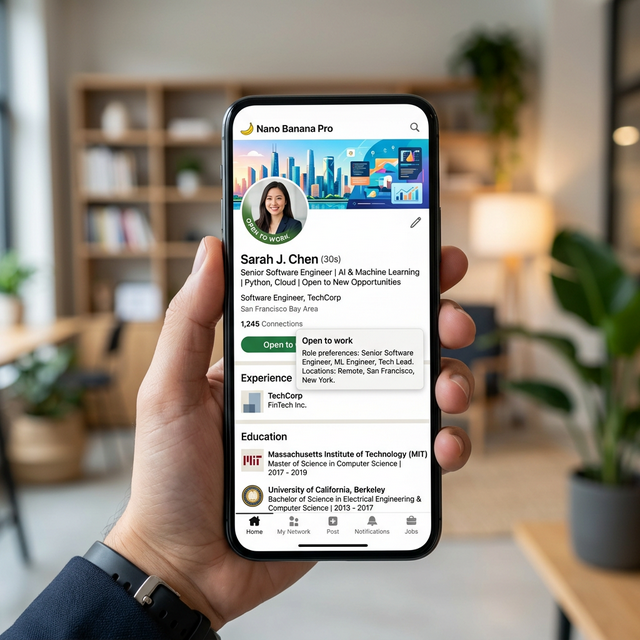
It is impossible to discuss career development without acknowledging LinkedIn. For graduate students targeting corporate roles, consulting, or industry engineering, this app is entirely non-negotiable. Modern recruiters heavily utilize LinkedIn algorithms to source talent directly from universities before positions are even publicly posted on standard job boards.
- Optimize Your Headline: Never leave your headline as simply "Graduate Student at University X." Change it to reflect your targeted career: "Data Science Masters Candidate | Specializing in Predictive Analytics."
- Leverage the Alumni Tool: The LinkedIn mobile app features a robust "Alumni" search function on your university’s official page. This is the single most effective way to request "informational coffee chats" with established professionals who graduated from your specific department.
2. The Academic Standard: ResearchGate & Academia.edu
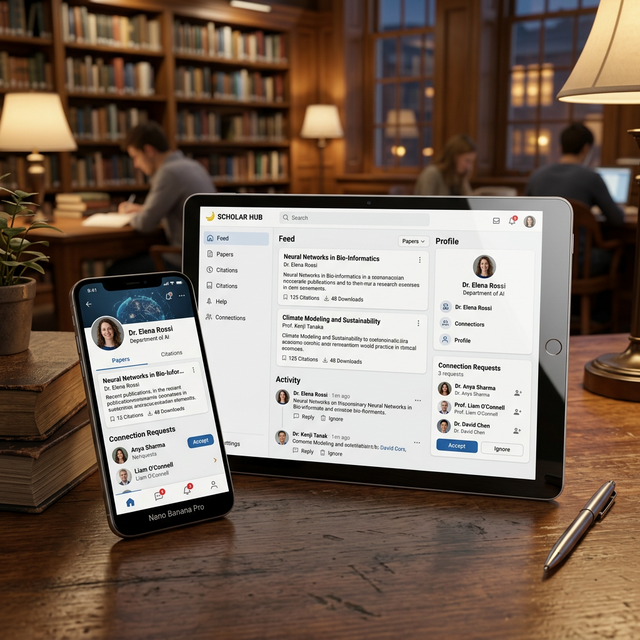
If your career trajectory points toward a Ph.D., a post-doc position, or becoming a tenured university professor, standard corporate networking apps will be largely ineffective. Instead, you need to establish a footprint on platforms designed specifically for scholarly communication.
Apps like ResearchGate function as a highly specialized social network specifically for scientists and researchers. By continuously uploading your published papers, conference posters, and raw datasets, you make your academic work highly discoverable. More importantly, these mobile apps allow you to directly message the primary authors of papers you are citing in your thesis, fostering global collaborations that frequently lead to prestigious post-doc offers. Having a reliable, fast mobile device is crucial for managing these heavy PDF documents on the go; check our Mobile Phone Reviews if you need an upgrade.
3. Virtual Conferences: Whova & Bizzabo
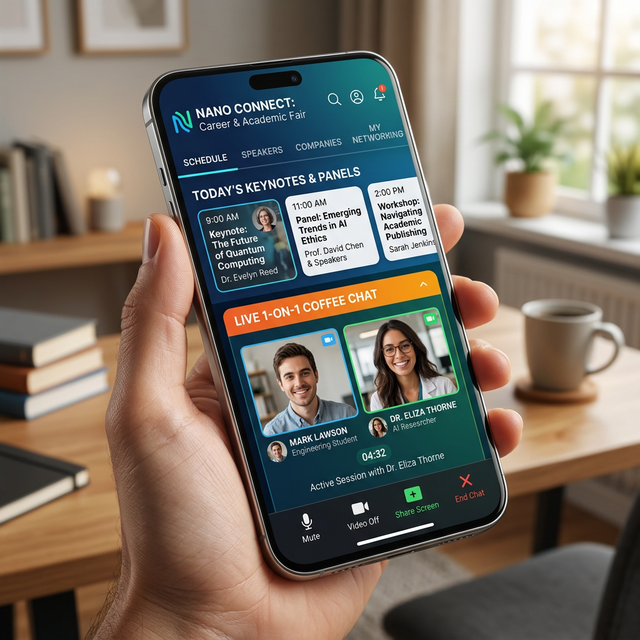
Since the normalization of remote work, international academic and industry conferences have largely adopted hybrid operating models. Even if you cannot afford the expensive flights and hotels to attend a major symposium physically, you can still participate and network heavily through the event's official mobile application.
Platform apps like Whova and Bizzabo are frequently licensed by conference organizers. Crucially, these apps usually include a "Community" or "Attendees" tab. Weeks before the actual keynote speeches begin, astute graduate students will use the app to private message other attendees and schedule 15-minute virtual video meetings. Utilizing these apps properly ensures you never attend a massive virtual conference without actively expanding your professional rolodex.
4. Niche Industry Apps: GitHub & Polywork
Depending on your specific grad school major, relying solely on generic networking applications might not be sufficient. You must go exactly where your targeted recruiters live.
For computer science and software engineering students, having an active, highly updated GitHub profile app on your phone to quickly review pull requests or respond to open-source project comments is mandatory. For creative professionals and designers, newer platforms like Polywork allow users to highlight specific freelance projects and "side hustles" rather than traditional linear resumes. As a grad student, downloading the best camera apps to properly photograph your physical portfolio or architectural models can significantly boost how recruiters perceive your talent on these visual networks.
Conclusion
Securing a high-level position requires treating your digital presence with the exact same rigor that you apply to writing your master's thesis. By strategically utilizing the top networking and career development apps for grad students—such as LinkedIn for corporate outreach, ResearchGate for academic publishing, and Whova for virtual global conferences—you dramatically increase your visibility to international recruiters. Download these applications today, comprehensively optimize your profiles, and begin actively sending connection requests. For more guides on utilizing mobile software to accelerate your daily life, visit the MobileKiShop Homepage.