
Van life means freedom, but that freedom requires smart money management. Without a landlord, mortgage, or fixed address, your expenses constantly shift: fuel prices change daily, campsite fees vary by season, and unexpected vehicle repairs can blow through a monthly budget overnight. In 2026, budgeting apps give van lifers real-time control over their finances, from tracking daily spending and splitting costs with travel partners to finding the cheapest fuel and free camping spots.
We reviewed 11 essential budgeting apps designed for the van life lifestyle, covering zero-based budgeting, expense splitting, fuel savings, travel-specific trackers, and free campsite finders. Whether you are a solo nomad, a traveling couple, or part of a van caravan, this guide helps you find the right combination of apps to stretch every dollar further on the road. For more van life resources, check our guides on cooking and meal planning apps, van interior design apps, and navigation apps for route planning.
Table of Contents
- Rocket Money (Rating 4.8)
- Splitwise (Rating 4.8)
- PocketGuard (Rating 4.6)
- YNAB (You Need A Budget) (Rating 4.5)
- Fudget (Rating 4.4)
- TravelSpend (Rating 4.4)
- Spendee (Rating 4.4)
- iOverlander (Rating 4.3)
- Toshl Finance (Rating 4.1)
- Goodbudget (Rating 3.3)
- GasBuddy (Rating 3.2)
- Typical Van Life Monthly Budget Breakdown
- Money-Saving Tips for Van Lifers
- Frequently Asked Questions
1. Rocket Money (Rating 4.8)
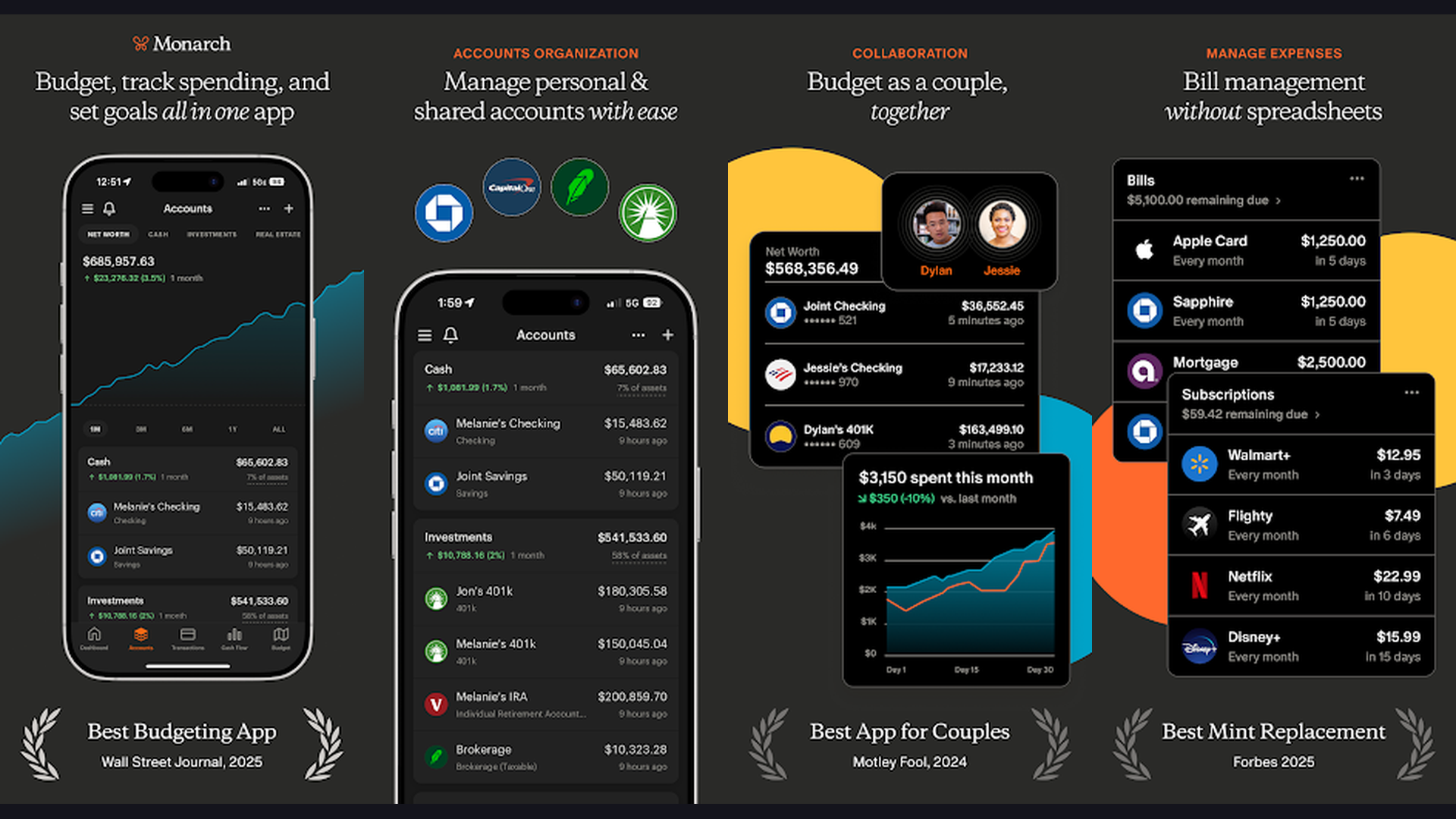
Rocket Money is a smart budgeting app that automatically finds and cancels unwanted subscriptions, negotiates lower bills, and tracks every dollar. For van lifers juggling phone plans, insurance, streaming services, cloud storage, and roadside assistance memberships, Rocket Money scans your connected accounts and shows every recurring charge in one dashboard. The app negotiates lower rates on your behalf for bills like insurance, phone, and internet, saving users an average of $740 per year. The spending tracker categorizes every transaction automatically: fuel, groceries, camping fees, vehicle maintenance, and dining. Smart budgets let you set spending limits per category and receive alerts when you are close to the cap. Net worth tracking shows bank accounts, credit cards, investments, and loans in one view. The credit score monitoring feature provides free credit updates. Rocket Money is free for basic tracking and subscription management. Premium ($6-$12/month, or pay what you want) adds bill negotiation, custom categories, and priority support. For van lifers who want to automatically manage subscriptions and reduce recurring costs while traveling, Rocket Money is the most powerful bill-cutting tool.


2. Splitwise (Rating 4.8)
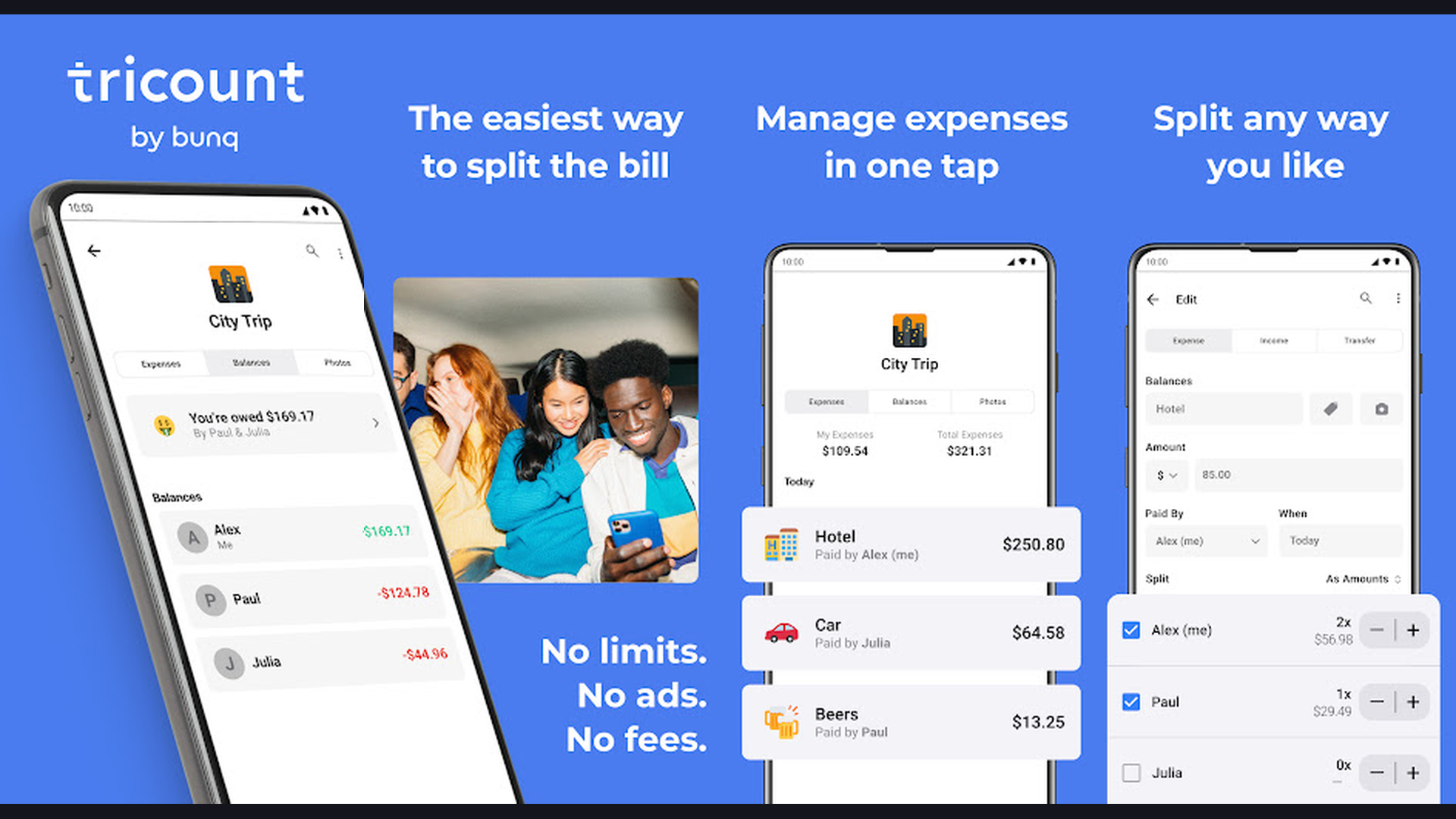
Splitwise is the gold standard for splitting expenses between travel partners, van life couples, and group road trips. Whether you are sharing fuel costs, campsite fees, grocery bills, or restaurant tabs, Splitwise tracks who paid what and calculates exactly who owes whom. Add expenses with a single tap: enter the amount, select who is involved, and choose how to split (equally, by percentage, by exact amounts, or by shares). The running balance shows net debts at a glance. Settle up via Venmo, PayPal, or cash. Group expenses work perfectly for van caravans and group road trips. Multi-currency support handles border crossings into Canada or Mexico. Offline mode logs expenses even without signal, syncing when you reconnect. Receipt scanning captures expenses from photos. The simplify debts feature minimizes the number of payments between group members. Splitwise is free for basic splitting. Splitwise Pro ($4.99/month) adds receipt scanning, currency conversion, charts, and search. For van lifers traveling with partners or friends who need to fairly split every shared expense, Splitwise eliminates money arguments on the road.
3. PocketGuard (Rating 4.6)
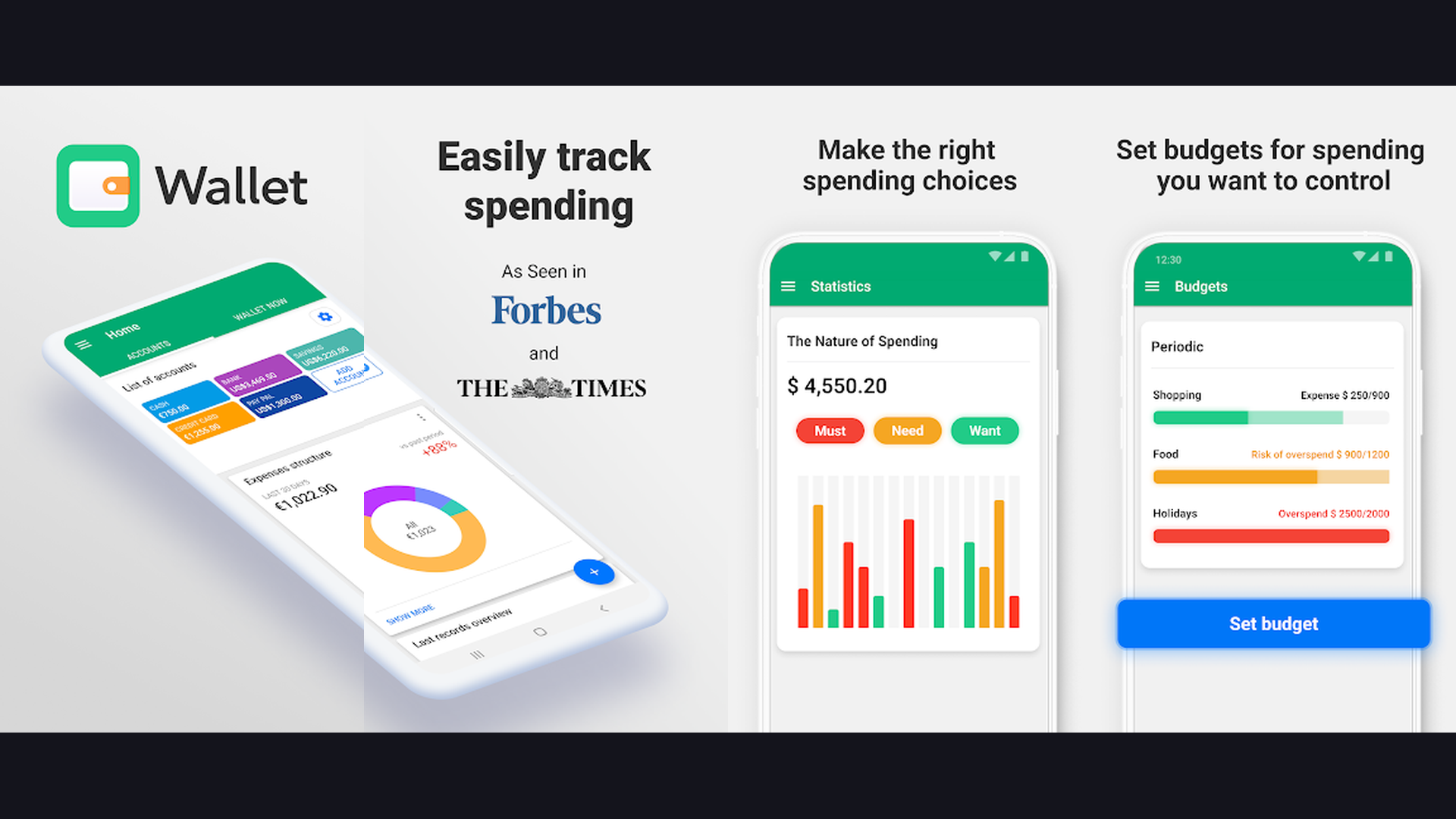
PocketGuard is a budget snapshot app that instantly shows how much spendable money you have left after bills, goals, and necessities. The "In My Pocket" feature is what makes PocketGuard uniquely useful for van lifers: connect your bank accounts and the app calculates your safe-to-spend amount after accounting for upcoming bills, savings goals, and essential expenses. This single number answers the daily question every van lifer asks: "Can I afford this campsite, this restaurant, this repair?" Automatic transaction categorization groups spending into fuel, food, camping, maintenance, entertainment, and more. The bill tracker monitors recurring charges and alerts you before payments. Subscription management identifies forgotten memberships. Savings goals let you set aside money for van upgrades, maintenance reserves, and emergency funds. PocketGuard connects to over 15,000 banks and credit unions. The free version covers basic tracking. PocketGuard Plus ($7.99/month) adds custom categories, cash tracking, and debt payoff plans. For van lifers who want a simple daily answer to "how much can I spend today" without complex budgeting, PocketGuard delivers instant clarity.
4. YNAB (You Need A Budget) (Rating 4.5)
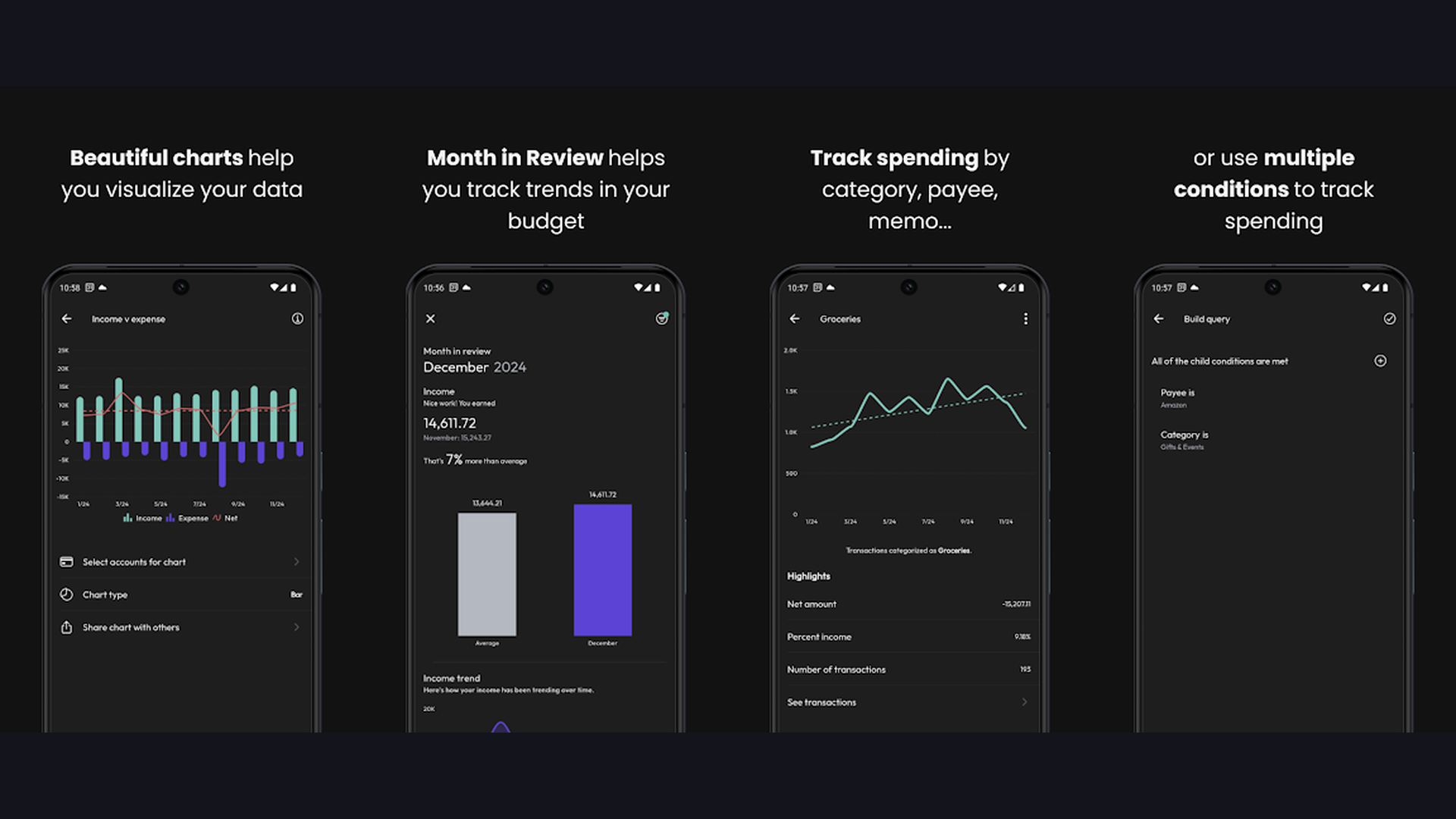
YNAB is the most disciplined zero-based budgeting app that gives every dollar a job, perfect for van lifers managing irregular income. The zero-based approach means you assign every dollar of income to a specific category before spending: fuel, food, campsite fees, insurance, phone, maintenance fund, emergency savings, and van upgrades. This method is especially powerful for van lifers with freelance, seasonal, or variable income because you budget only the money you actually have, not projected earnings. The "Roll with the Punches" philosophy means when you overspend in one category (unexpected repair), you adjust other categories to compensate. Age of Money metric shows how long your dollars sit before being spent, encouraging a financial buffer. Bank syncing imports transactions automatically. The goal tracking feature monitors progress toward savings targets like a new solar system or transmission fund. YNAB costs $14.99/month or $109/year (includes a 34-day free trial). For van lifers who want total control over every dollar with a proven method that builds financial discipline, YNAB transforms how you think about money. Pair it with our meal planning guide to optimize your food budget.
5. Fudget (Rating 4.4)
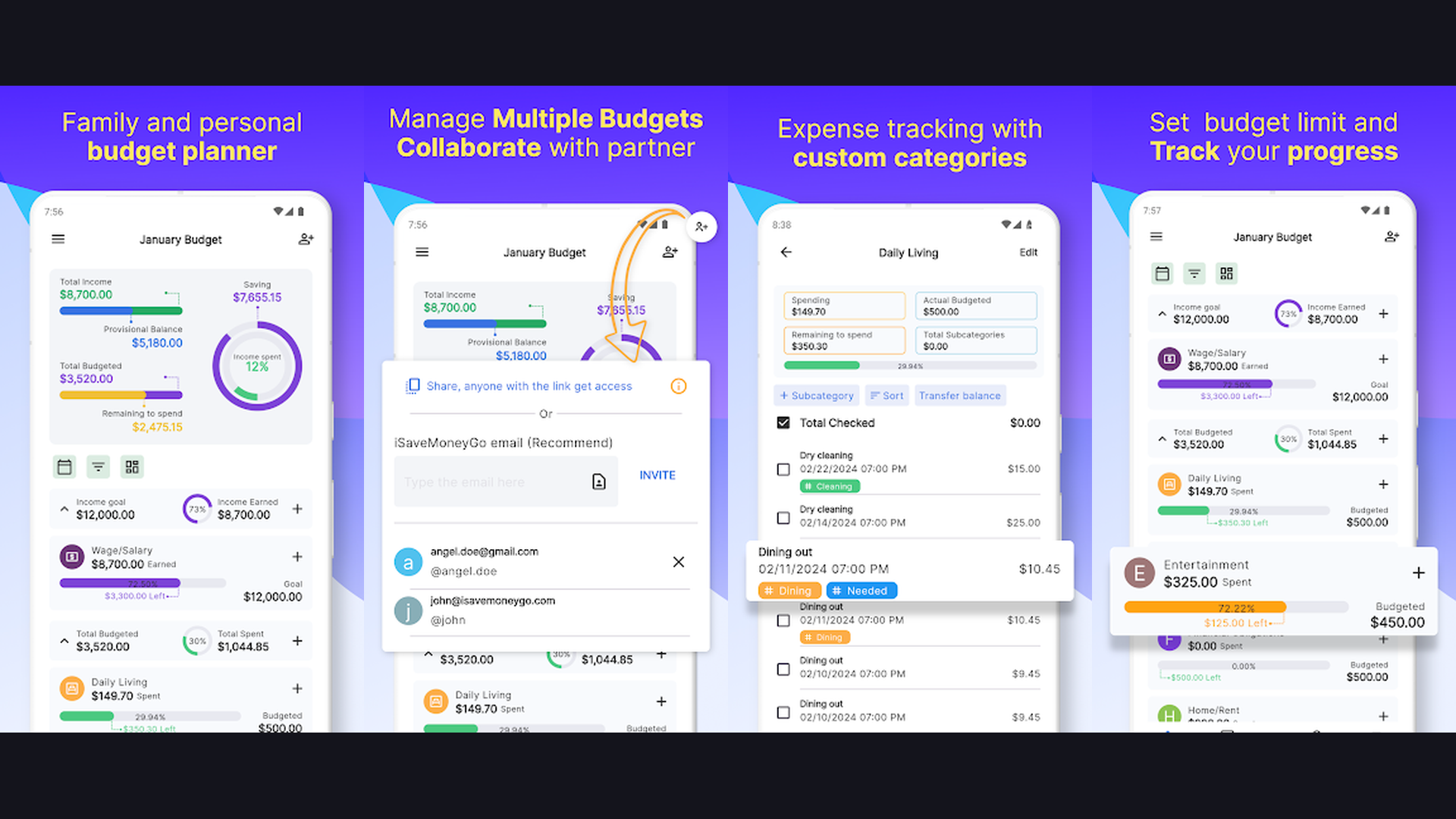
Fudget is a dead-simple budget planner that works like a notepad, perfect for van lifers who hate complicated finance apps. No bank connections, no account syncing, no learning curve. Open the app, type an income item, type expense items, and Fudget shows your remaining balance. That is it. The list-based interface feels like writing a budget on paper, but with automatic math. Create separate budget lists for different purposes: monthly van life expenses, road trip fuel budget, van build project costs, or weekly grocery planning. Drag items to reorder priorities. Color-coded totals show green (within budget) or red (over budget) at a glance. Fudget works completely offline, which is essential for van lifers in remote areas without cell service. No account creation required, so your financial data stays private on your device. Fudget is free with ads. Fudget Pro ($3.99 one-time) removes ads and adds cloud backup. For van lifers who want the simplest possible budgeting tool without any complexity, bank connections, or subscriptions, Fudget is refreshingly straightforward.
6. TravelSpend (Rating 4.4)
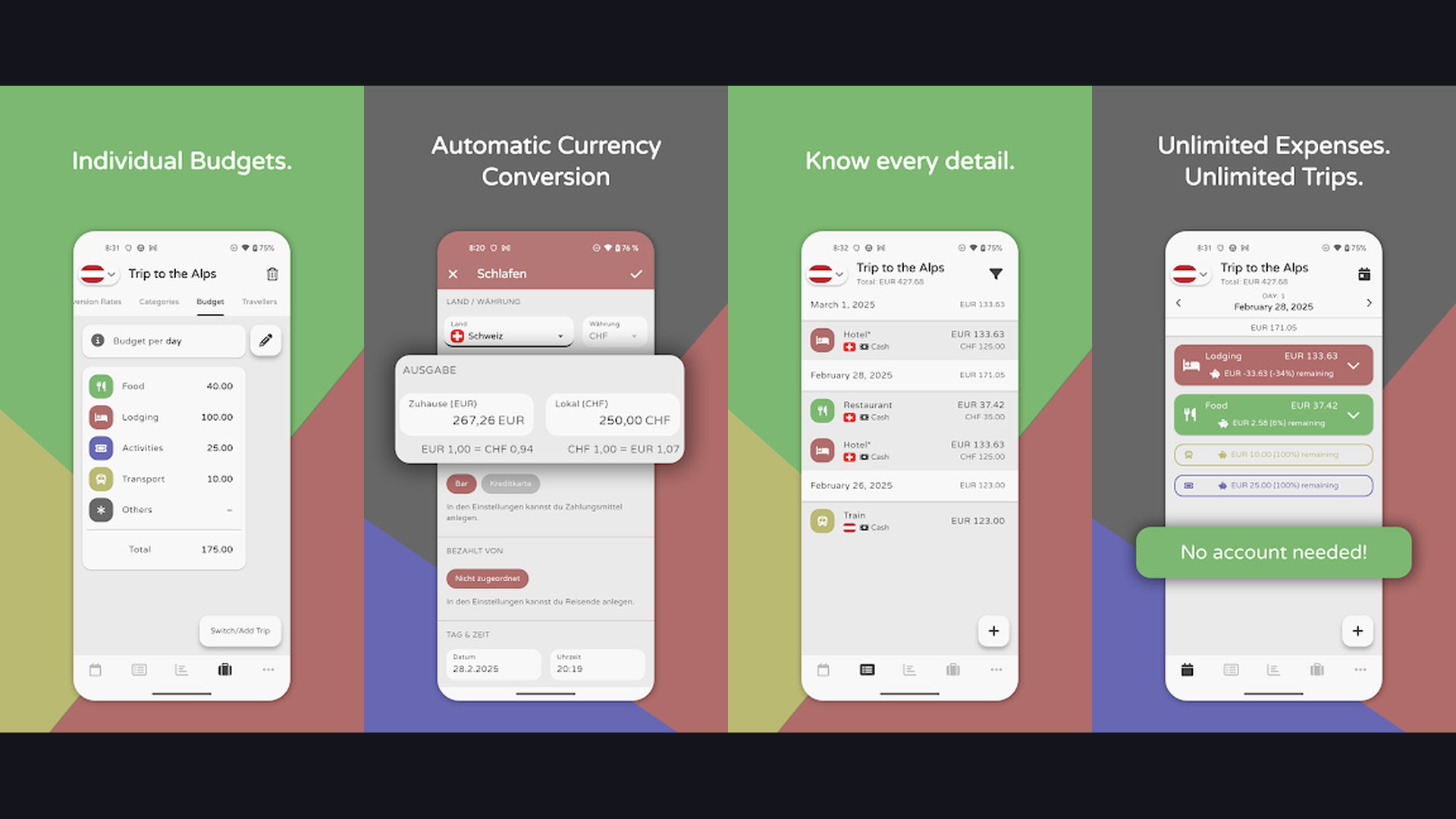
TravelSpend is a travel-specific expense tracker with multi-currency support and trip-based budgeting ideal for cross-border van lifers. Set a daily or total budget for each trip or road trip segment. Log expenses in any currency and TravelSpend automatically converts to your home currency at current exchange rates. The trip timeline shows spending day by day, making it easy to see which days were expensive and which were frugal. Category breakdowns reveal your spending patterns: how much goes to fuel, accommodation, food, activities, and transport in each location. The group expense feature splits costs between travel partners and tracks who owes what. Export trip reports as CSV for record keeping or tax purposes. TravelSpend works offline and syncs when connected. Statistics show daily averages, category totals, and budget remaining. The app supports unlimited trips with no subscription. TravelSpend is free with ads. TravelSpend Premium ($4.99 one-time) removes ads and adds data export. For van lifers who cross borders, visit national parks, or need trip-by-trip budget tracking with automatic currency conversion, TravelSpend is purpose-built for the nomadic lifestyle.
7. Spendee (Rating 4.4)
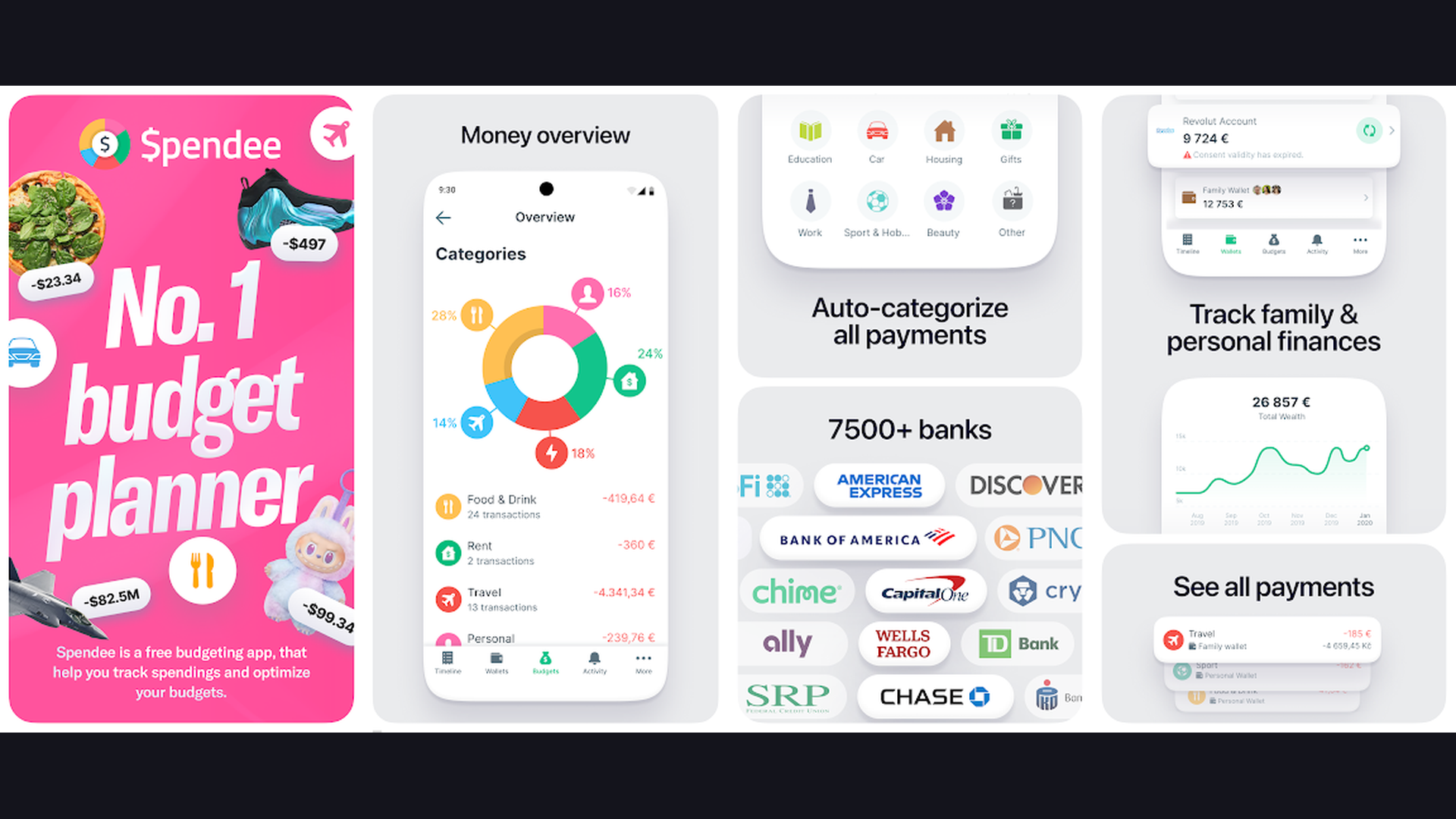
Spendee is a beautifully designed budget tracker with multi-currency wallets, shared budgets, and powerful visual analytics. The shared wallet feature is perfect for van life couples: both partners see the same budget, log expenses, and track spending in real time. Create separate wallets for different currencies when crossing borders. The visual dashboard uses colorful charts and graphs to show spending patterns by category, timeline, and location. Smart categories auto-classify transactions from connected bank accounts. The budget feature sets spending limits per category with visual progress rings. Spendee supports cash tracking alongside bank imports, essential for van lifers who use cash at farmers markets, roadside stands, and rural businesses. The location tagging feature marks where you spent money on a map, creating a visual spending diary of your travels. Spendee is free with one wallet. Spendee Plus ($2.99/month) adds bank sync, shared wallets, and unlimited wallets. For van life couples who want a gorgeous, shared budgeting experience with visual spending analytics, Spendee combines beauty with functionality. Check our video editing guide to document your budget-friendly adventures.
8. iOverlander (Rating 4.3)
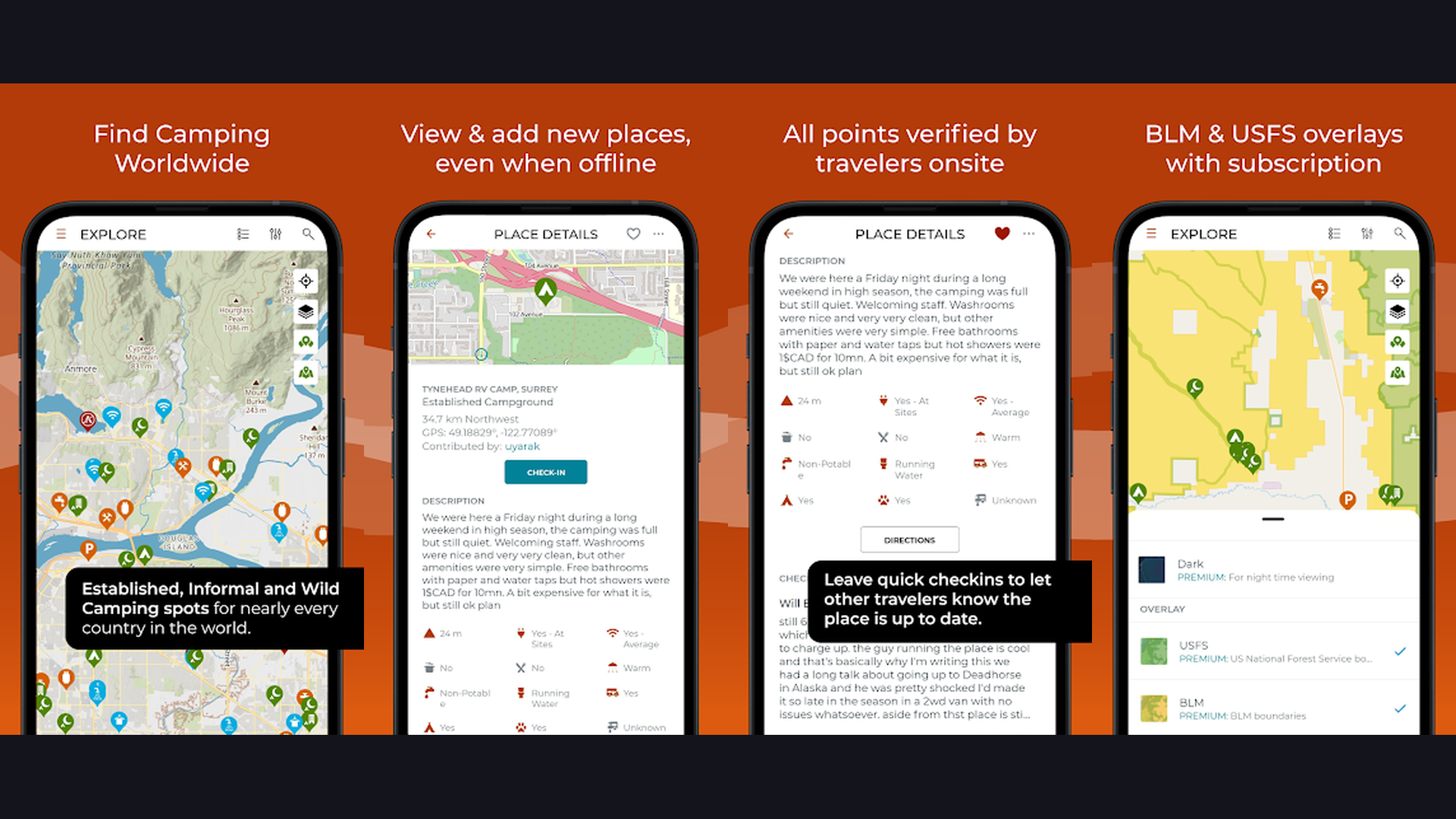
iOverlander is the community-driven campsite and resource finder that directly impacts your van life budget by locating free and cheap camping. While not a traditional budgeting app, iOverlander is arguably the most impactful money-saving tool for van lifers. The crowdsourced database contains thousands of free campsites, boondocking spots, BLM land, national forest dispersed camping, Walmart parking lots, rest areas, and affordable campgrounds. Each listing includes GPS coordinates, user reviews, photos, amenities (water, dump stations, cell signal), and current pricing. The offline maps feature downloads entire regions for use without cell service. Filter by amenity type: free camping, potable water, dump stations, propane refills, wifi hotspots, and vehicle repair shops. Users contribute updates and new locations, keeping the database current. iOverlander is completely free with no premium tier. For van lifers, accommodation is often the second-largest expense after fuel. Finding free camping through iOverlander can save $500-$1,500 per month compared to paid campgrounds and RV parks.
9. Toshl Finance (Rating 4.1)
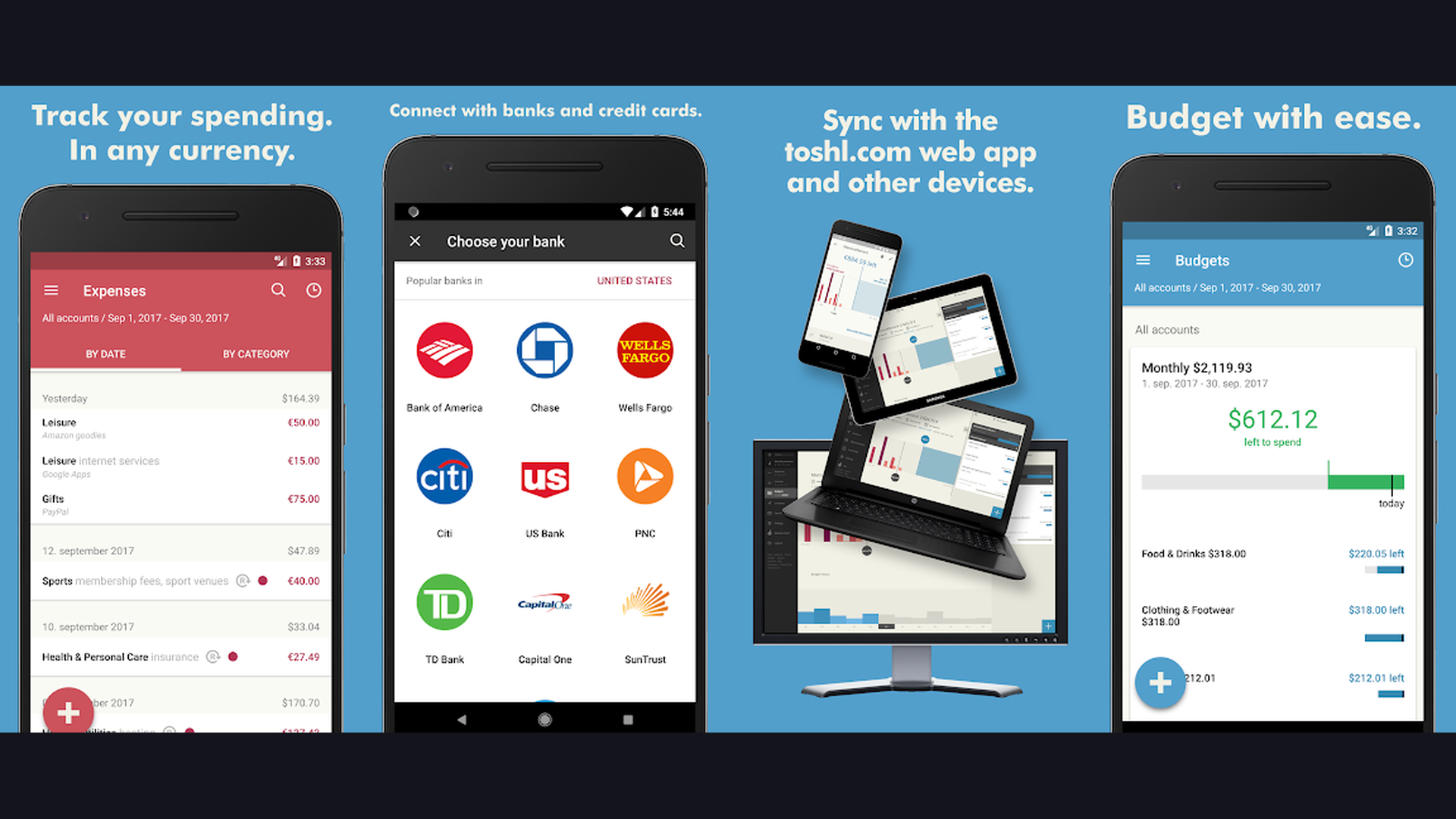
Toshl Finance is a playful yet powerful expense tracker with multi-currency support, bank connections, and detailed financial reports. The friendly monster characters and gamified interface make daily expense logging feel less like a chore. Multi-currency support handles up to 200 currencies with live exchange rates, ideal for van lifers crossing international borders. Connect bank accounts for automatic transaction import or manually log cash expenses. Tags and categories let you create custom labels for van-specific expenses: diesel, propane, dump station fees, laundry, grocery runs, and campsite fees. The budget planning tool sets limits by category, week, or month. Financial reports visualize spending trends over time with exportable charts. Repeating expense tracking handles recurring bills. Toshl syncs across devices through the cloud. The free version tracks 200 entries per month. Toshl Pro ($2.99/month) adds unlimited entries, bank sync, budgets, and export. For van lifers who want a feature-rich expense tracker that makes logging fun with excellent multi-currency support, Toshl turns financial tracking into an engaging habit.
10. Goodbudget (Rating 3.3)
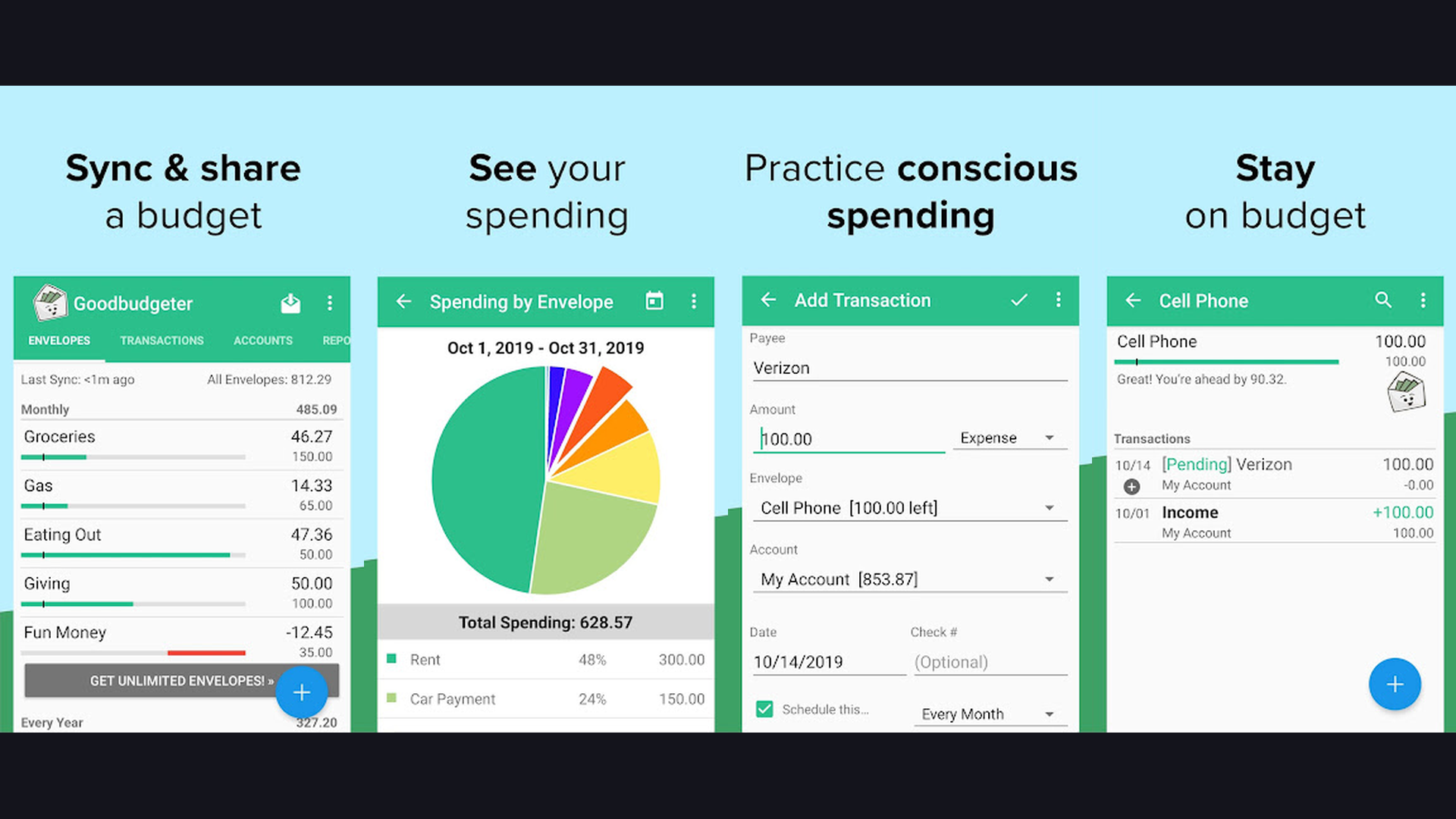
Goodbudget is a digital envelope budgeting system perfect for van lifers who want to allocate cash into specific spending categories. Based on the time-tested envelope method, Goodbudget lets you divide your income into virtual envelopes: fuel ($400), groceries ($300), campsite fees ($200), vehicle maintenance ($150), entertainment ($100), and more. When an envelope is empty, you stop spending in that category or transfer from another. This physical constraint prevents overspending in any single area. Shared envelopes sync between partners devices in real time, ideal for couples managing a joint van life budget. The debt tracking envelope helps manage loan payoffs. Reports show spending history by envelope over months, revealing seasonal patterns in your van life costs. Goodbudget runs on a simple sync system (no bank connections) which means you manually log expenses, building awareness of every dollar spent. The free plan includes 10 envelopes and one account. Goodbudget Plus ($8/month) adds unlimited envelopes, multiple accounts, and 7 years of history. For van lifers who want a disciplined envelope system shared between partners, Goodbudget enforces spending boundaries naturally.
11. GasBuddy (Rating 3.2)
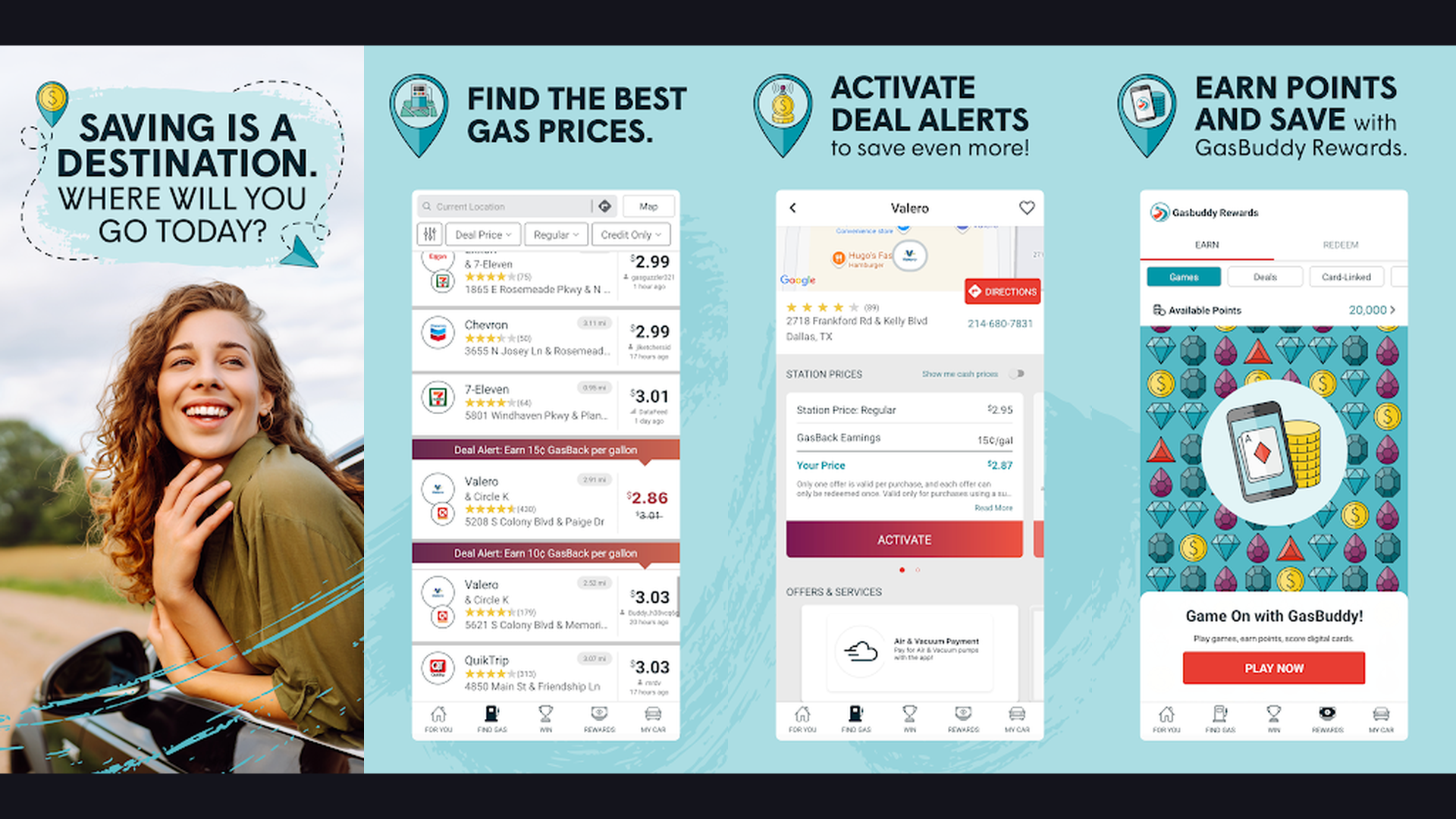
GasBuddy is the essential fuel price comparison app that helps van lifers find the cheapest gas and diesel wherever they travel. Fuel is typically the single largest van life expense, and GasBuddy saves real money on every fill-up. The app shows real-time gas prices at stations along your route, sorted by price, distance, or brand. User-reported prices are verified by the community, keeping data accurate and current. The Pay with GasBuddy card saves an additional 25 cents per gallon at participating stations. Trip cost calculator estimates fuel expenses for planned routes based on your van MPG and current prices. The station reviews feature shows amenities like clean restrooms, food options, and RV-friendly pump access, important for oversized vans and campers. Price alerts notify you when fuel drops below your target price in your area. The fuel log tracks your fill-up history and calculates your actual miles per gallon over time. GasBuddy is free. GasBuddy Premium ($9.99/month) adds 40-cents-per-gallon savings and roadside assistance. For van lifers whose fuel budget is the biggest monthly expense, GasBuddy consistently saves $200-$500 per year on gas and diesel.
Typical Van Life Monthly Budget Breakdown
Understanding what van life actually costs helps you choose the right budgeting approach. Here is a typical monthly breakdown for a solo van lifer in the United States in 2026:
- Fuel: $400-$800 - The biggest variable expense. A Sprinter van averaging 18 MPG driving 1,500 miles per month spends roughly $500 at $6/gallon diesel. GasBuddy can reduce this by 5-10%.
- Food and Groceries: $250-$500 - Cooking in your van saves significantly over restaurants. Use meal planning apps to optimize grocery spending.
- Camping and Accommodation: $0-$600 - This is the most controllable expense. Using iOverlander to find free BLM land and dispersed camping can bring this to nearly zero. Paid campgrounds average $20-$40/night.
- Vehicle Insurance: $100-$200 - Van insurance varies by state, vehicle value, and coverage. Some van lifers use usage-based insurance that charges per mile driven.
- Phone and Internet: $50-$150 - Most van lifers need reliable mobile data. Plans range from $50 for basic unlimited to $150 for hotspot-heavy plans with multiple carriers.
- Vehicle Maintenance: $100-$300 - Oil changes, tire rotations, brake pads, and unexpected repairs. Set aside a monthly maintenance fund in YNAB or Goodbudget.
- Health Insurance: $200-$600 - ACA marketplace plans vary by state and income. Some van lifers qualify for subsidized plans.
- Propane, Water, Laundry, Dumping: $50-$100 - Miscellaneous living costs that add up. Track these in Spendee or Toshl to see the real totals.
Total: $1,150-$3,250/month depending on lifestyle choices. A frugal van lifer who boondocks, cooks every meal, and drives conservatively can live on $1,200/month. A more comfortable lifestyle with paid campgrounds, dining out, and longer drives averages $2,000-$2,500/month.
Money-Saving Tips for Van Lifers
- Boondock as Much as Possible - Free camping on BLM land, national forest dispersed sites, and other free locations can save $300-$600/month compared to paid campgrounds. Use iOverlander to find verified free spots. Many offer scenic locations that paid parks cannot match. Follow Leave No Trace principles and respect the 14-day limit on public lands.
- Track Every Expense for the First 3 Months - Before setting budgets, understand your actual spending. Use TravelSpend or Spendee to log every purchase, no matter how small. After 3 months, you will know your real fuel, food, and maintenance costs. Use this data to create realistic budgets in YNAB or Goodbudget.
- Build an Emergency Fund First - Vehicle breakdowns happen. A transmission replacement costs $3,000-$5,000. An engine repair can be even more. Before going full-time van life, save 3-6 months of expenses plus a $3,000 vehicle emergency fund. Track this goal in YNAB or a digital planner.
- Slow Down to Save on Fuel - Driving fewer miles saves the most money. Spend 2-4 weeks in each location instead of constantly moving. Park in one area and explore by foot, bike, or public transit. When you do drive, keep speeds at 60-65 mph for optimal fuel economy. Track your actual MPG with GasBuddy.
- Cook 90% of Your Meals - Restaurant meals average $15-$25 per person. A home-cooked van meal costs $3-$7. Cooking 27 out of 30 dinners at home saves $240-$540/month. Use camping stoves, portable induction burners, or built-in kitchens. Plan meals around grocery sales and seasonal produce.
- Use Splitwise for Couples to Avoid Fights - Money disagreements are the top relationship stress for van life couples. Splitwise creates transparent tracking so both partners see the same financial picture. Log expenses together, split fairly, and review weekly spending together. Financial transparency prevents resentment and keeps partners aligned.
- Audit Subscriptions Monthly with Rocket Money - Van lifers often carry subscriptions from their previous life that no longer make sense. Do you need a gym membership on the road? Premium streaming services? Cloud storage you never access? Rocket Money identifies every recurring charge so you can cancel what is not worth paying for.
- Plan Routes Around Free Resources - Many towns offer free dump stations at wastewater plants, free potable water at municipal sources, and free wifi at libraries. Planning routes through these resources eliminates common paid services. iOverlander maps water, dump stations, propane, and wifi hotspots. Strategic route planning based on free resources can save $50-$100/month.
Frequently Asked Questions
What is the best budgeting app for van life beginners?
Start with Fudget for absolute simplicity (no bank connections, works offline) or PocketGuard for an automatic "safe to spend" number. Both require minimal setup and give immediate budget visibility. Once you are comfortable tracking expenses, graduate to YNAB for complete financial control or Goodbudget for the envelope method.
How do van lifers split expenses with partners?
Splitwise is the standard for expense splitting between van life couples and groups. Each partner logs expenses as they pay, and Splitwise calculates who owes what. Settle up weekly or monthly via Venmo, PayPal, or cash. For shared budgets (vs splitting), Spendee shared wallets or Goodbudget shared envelopes give both partners real-time visibility into the same budget.
How much does van life actually cost per month?
A frugal solo van lifer in the US can live on $1,200-$1,500/month by boondocking, cooking all meals, and driving conservatively. A comfortable lifestyle averages $2,000-$2,500/month. Couples typically spend $1,800-$3,000/month total. The biggest variables are fuel (driven by miles traveled), accommodation (free camping vs paid sites), and food (cooking vs dining out).
Do I need a budgeting app that works offline?
Yes. Van lifers frequently camp in areas without cell service. Apps that work offline include Fudget (fully offline), TravelSpend (offline logging with sync), Goodbudget (manual entry, no bank needed), and iOverlander (downloadable offline maps). YNAB, PocketGuard, and Rocket Money require internet for bank syncing but can be used with manual entry offline.
How can I save money on fuel while living in a van?
Use GasBuddy to find the cheapest gas along your route and pay with the GasBuddy card for additional savings. Drive at 60-65 mph to optimize fuel economy. Reduce driving by staying in locations longer. Maintain proper tire pressure (underinflation reduces MPG by 3%). Avoid idling. Consider routes with fewer elevation changes. Track your actual MPG over time to identify trends.
Which app is best for tracking van maintenance costs?
YNAB is the best for maintaining a dedicated vehicle maintenance fund because you can create a specific envelope that rolls over month to month. Toshl Finance and Spendee both support custom categories for maintenance sub-types (oil changes, tires, brakes, engine). TravelSpend tracks maintenance costs per trip. For logging the actual maintenance schedule (not just costs), pair with a vehicle maintenance app.
Final Thoughts
Smart budgeting is the difference between van life being a sustainable lifestyle and a stressful experience. Rocket Money and PocketGuard automate budget tracking and subscription management. YNAB and Goodbudget provide disciplined budgeting frameworks. Splitwise and Spendee handle expense splitting for couples and groups. GasBuddy cuts your biggest expense, fuel. iOverlander eliminates your second biggest expense, accommodation. TravelSpend and Toshl Finance add travel-specific tracking with multi-currency support. And Fudget keeps it simple for those who just want a basic calculator. The best approach is to combine 2-3 apps: one for overall budgeting (YNAB or PocketGuard), one for expense splitting if you travel with others (Splitwise), and one for cost savings (GasBuddy + iOverlander). Your van life budget does not need to be complicated. It just needs to be tracked. For more van life essentials, explore our guides on cooking and meal planning, van interior design, navigation apps, digital planners, and health and fitness apps for staying healthy on the road.