Learning a new language is one of the most rewarding challenges you can take on, but figuring out where to start can be intimidating. With countless apps promising fluency, I decided to put them to the test. Over the last month, I dedicated myself to learning Spanish, spending 30 days testing the most popular language learning apps on Android. I evaluated their teaching methods, user interfaces, and how effectively they kept me motivated. Whether you use an Android device or are exploring the introduction of iOS ecosystem, these apps perform flawlessly across platforms. Here is my comprehensive breakdown of the 10 best language learning apps for Android to help you choose the right tool for your linguistic journey.
📋 Table of Contents
1. Lingopie (★ 4.3)
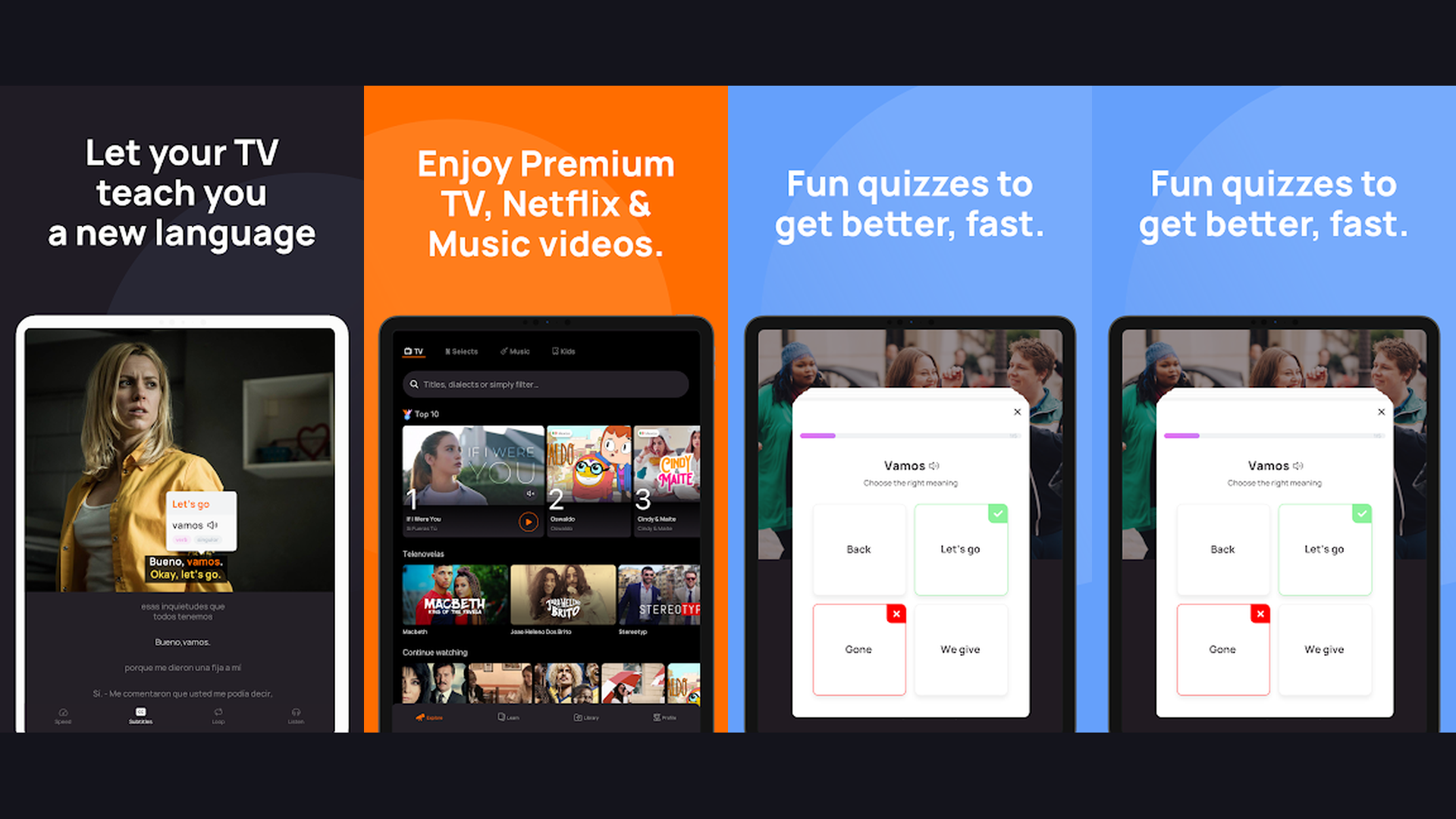
Lingopie is the Netflix of language learning. It allows you to learn Spanish by watching real TV shows, movies, and documentaries from Spanish-speaking countries. The magic is in the interactive subtitles—you can click on any word to see its translation and grammar rules in real-time, and those words are automatically added to your flashcard deck for later review. It is a fantastic way to immerse yourself in the culture and hear the language spoken at a natural pace.


2. HelloTalk (★ 4.4)
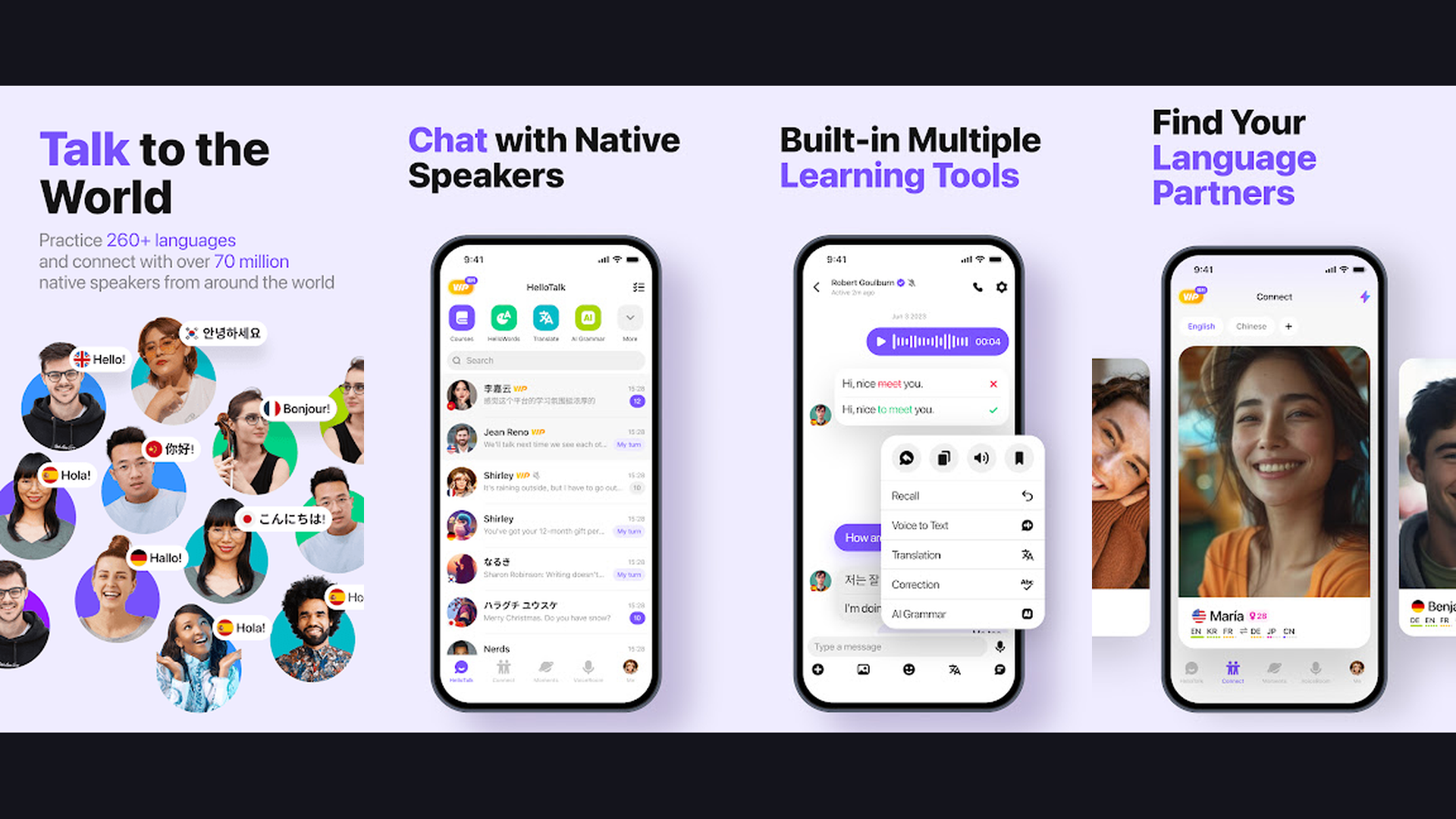
HelloTalk is essentially a language exchange social network. It connects you directly with native speakers around the world. I was able to chat with native Spanish speakers from Colombia and Spain, sending text and voice messages. The app includes built-in translation and correction tools, allowing your language partner to easily correct your grammar in real-time. It is the ultimate test of your skills in a real-world setting. If you enjoy connecting with people globally, this is a must-have. And if you are communicating across borders, knowing how to check Ufone number or manage your local network is always handy.
3. Mondly (★ 4.5)
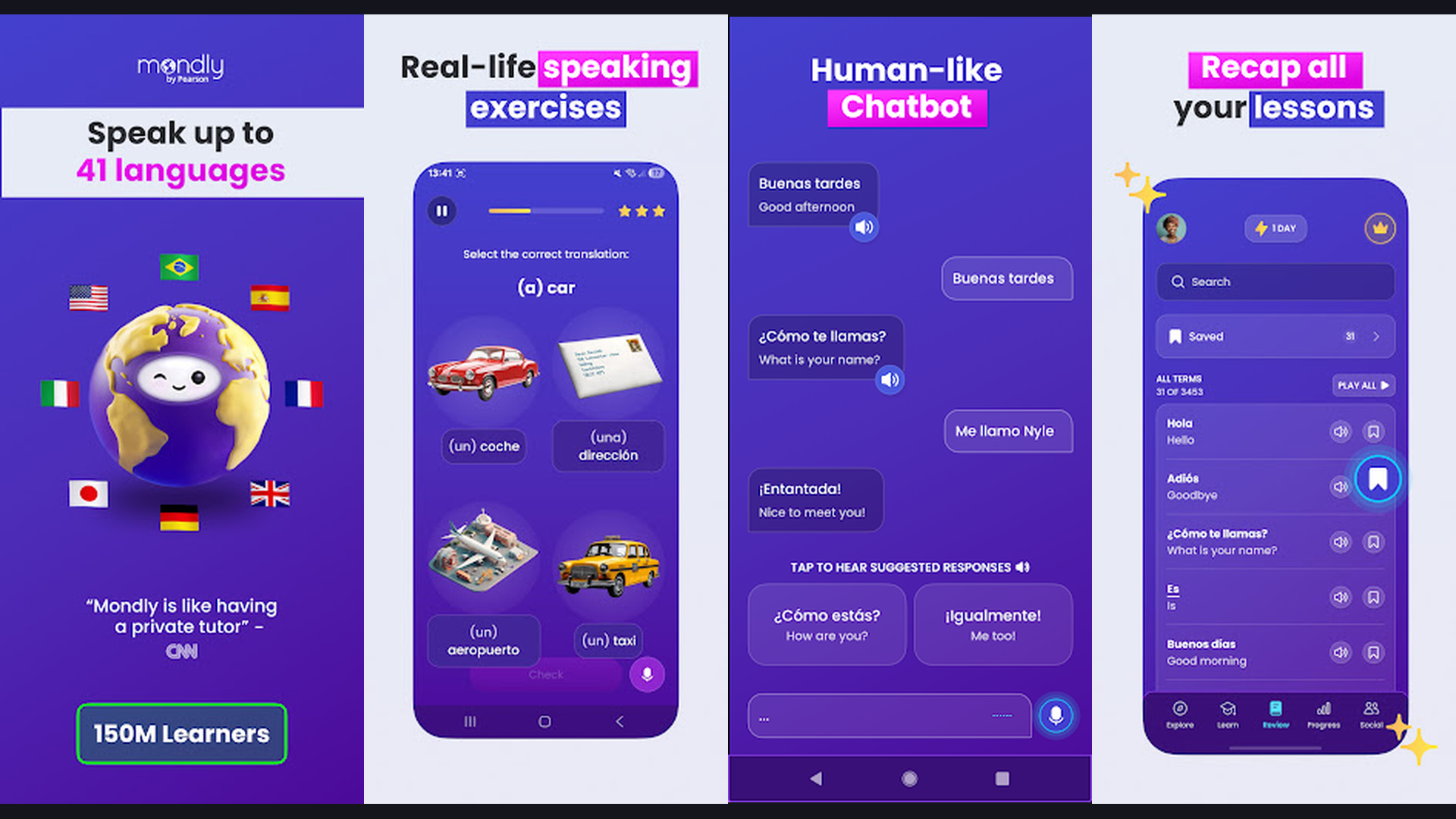
Mondly embraces modern technology to make learning fun. Beyond its standard vocabulary and grammar lessons, it features an AR (Augmented Reality) module and a chatbot that you can have spoken conversations with. The chatbot uses speech recognition to reply dynamically, offering a low-pressure way to practice speaking. The AR features are genuinely innovative and highlight the screen technology and its role in AR/VR on modern smartphones. Mondlys daily lessons are engaging, and the app supports learning from any of its 41 languages into any other, which is incredibly versatile.
4. Rosetta Stone (★ 4.5)
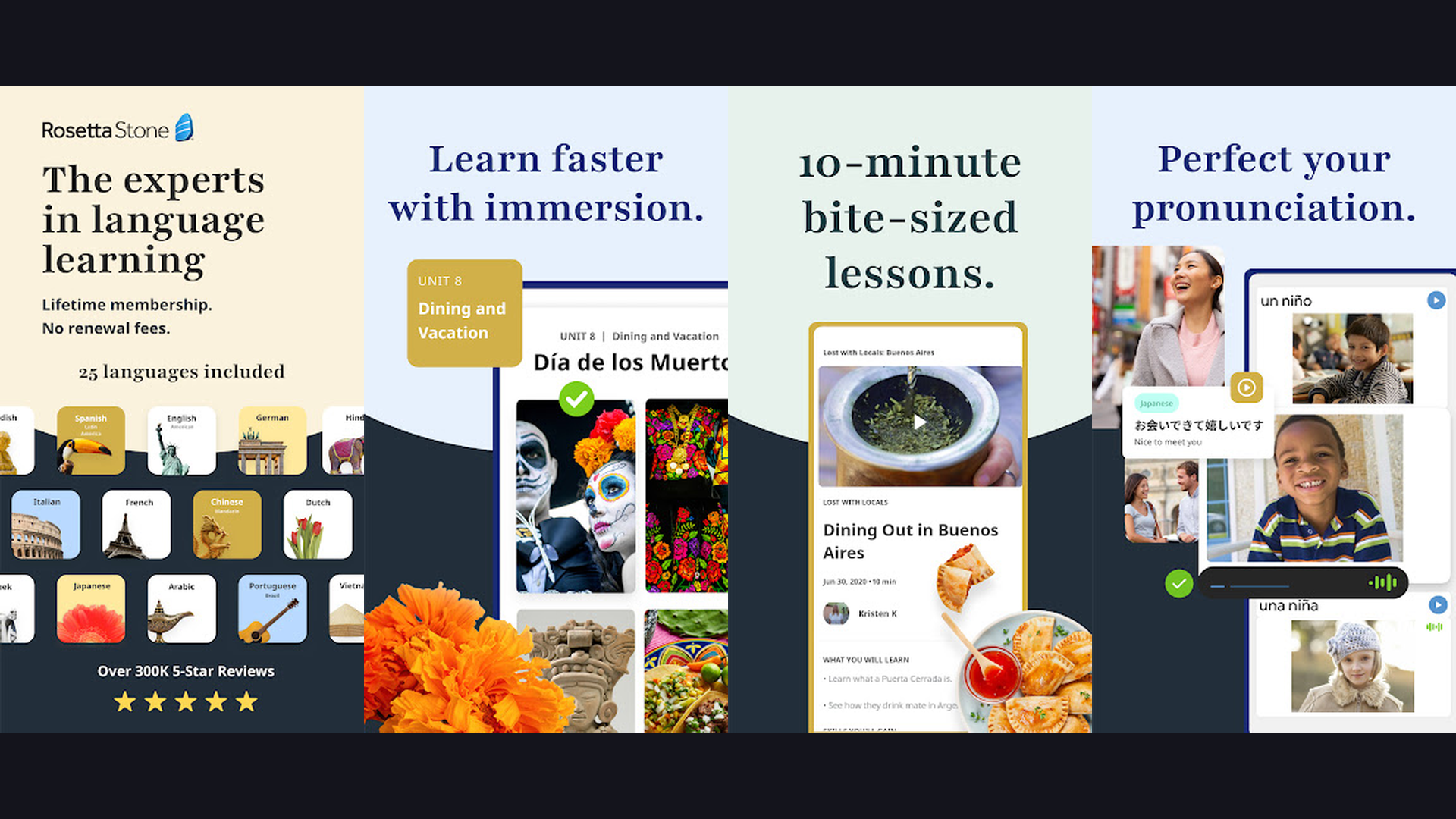
Rosetta Stone relies on immersive learning. There are no English translations; instead, you learn Spanish by associating words directly with images, mimicking how we learn our native languages. This sink-or-swim method can be challenging at first, but it forces your brain to think in the new language rather than just translating. The apps TruAccent speech engine is phenomenal, comparing your voice to native speakers to refine your accent. It is a heavy app with high-quality media, so you might notice it uses a fair amount of power. It is always good to know how resolution and refresh rates affect battery life when using media-rich applications for extended periods.
5. Busuu (★ 4.5)
Busuu offers comprehensive, structured courses, but its killer feature is the community aspect. After completing a writing or speaking exercise, you can submit it to the Busuu community, where native speakers of the language you are learning will correct your work. In return, you can correct others learning your native language. Having real humans review my Spanish sentences provided insights that no AI could offer. It feels a bit like a social network for language learners, much like how the Peanut app connects mothers. If you want a blend of formal lessons and community feedback, Busuu is fantastic.
6. Drops (★ 4.6)
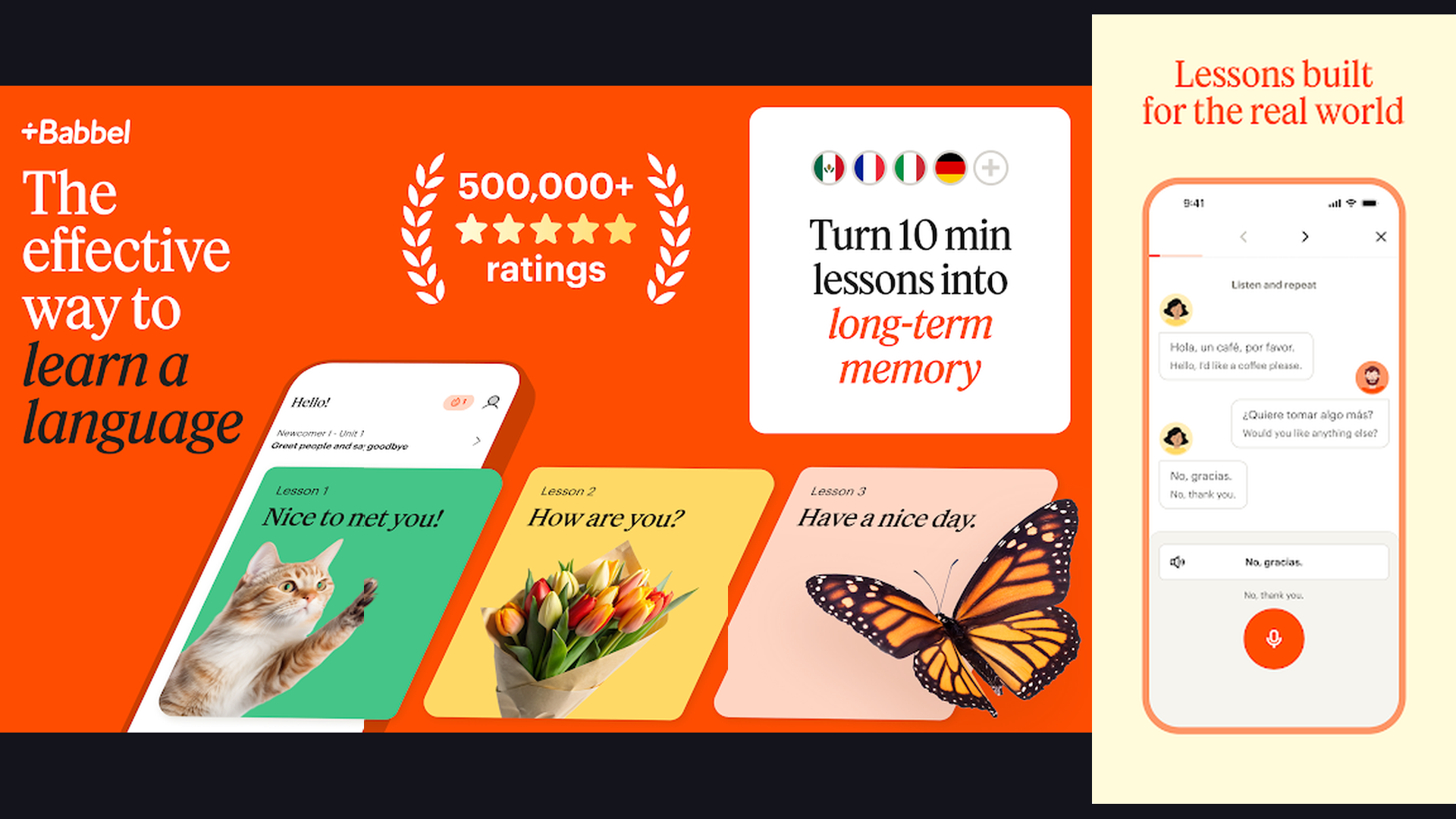
Drops focuses purely on vocabulary acquisition through beautifully designed, fast-paced minigames. You only get 5 minutes of learning per day on the free version, but the rapid-fire swiping and matching mechanics make those 5 minutes incredibly intense. It does not teach grammar at all; instead, it is designed to rapidly build your word bank using visual associations. It is the perfect supplementary app to use alongside a more comprehensive course like Babbel or Busuu. The sleek UI makes learning feel more like a puzzle game than a study session.
7. Babbel (★ 4.6)
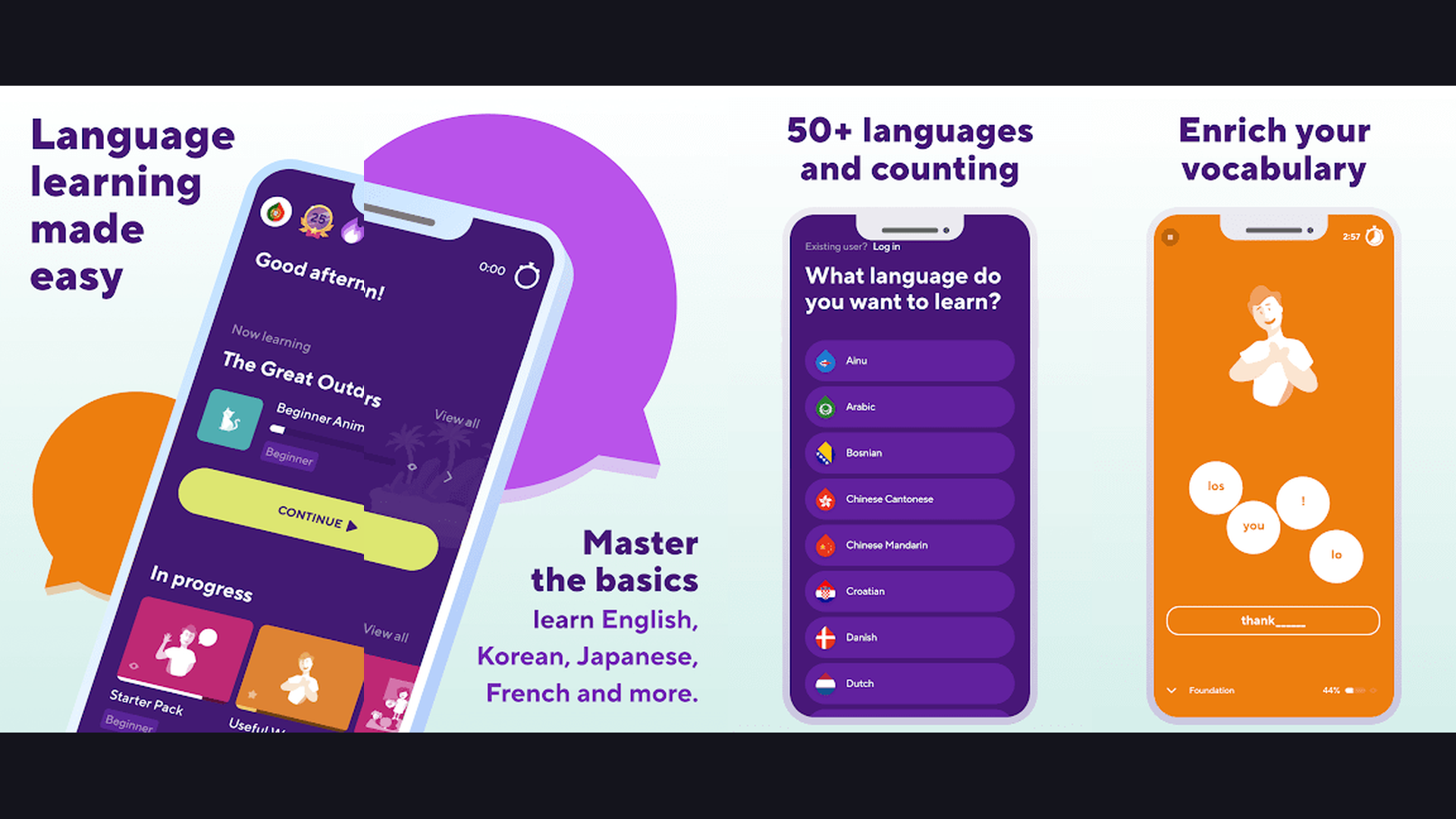
Babbel takes a more traditional, conversational approach compared to Duolingo. I noticed immediately that the lessons are designed to get you speaking real-world phrases—like ordering food or asking for directions—from day one. The grammar explanations are clear and contextual, which I deeply appreciated when tackling Spanish verb conjugations. The speech recognition technology is highly accurate and provides instant feedback on your pronunciation. Since you will be listening and speaking often, pairing the app with a good set of headphones is crucial; understanding what is Bluetooth can help you connect your wireless earbuds seamlessly. Babbel requires a subscription for full access, but the structured, practical curriculum is absolutely worth the investment.
8. Memrise (★ 4.6)
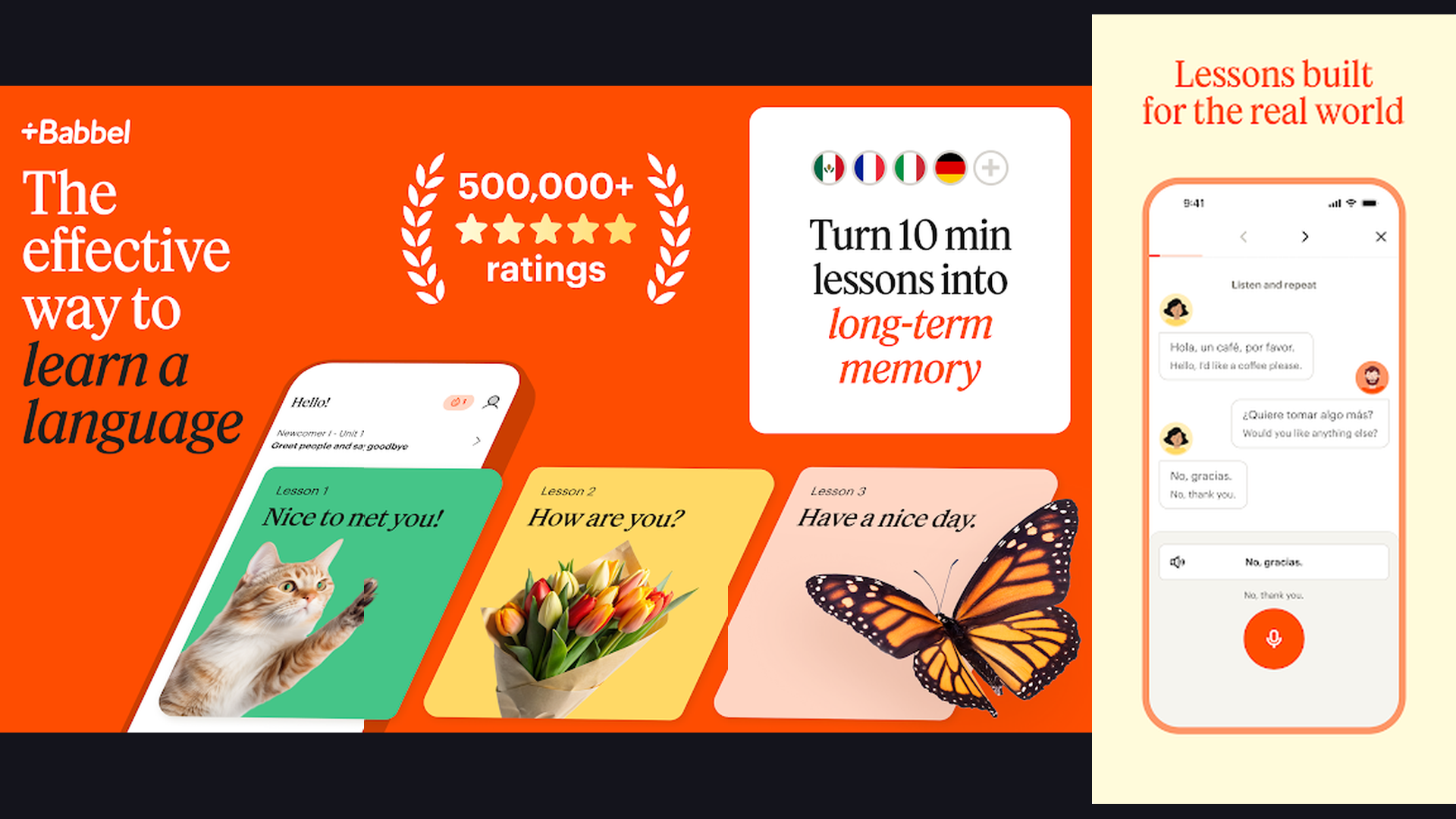
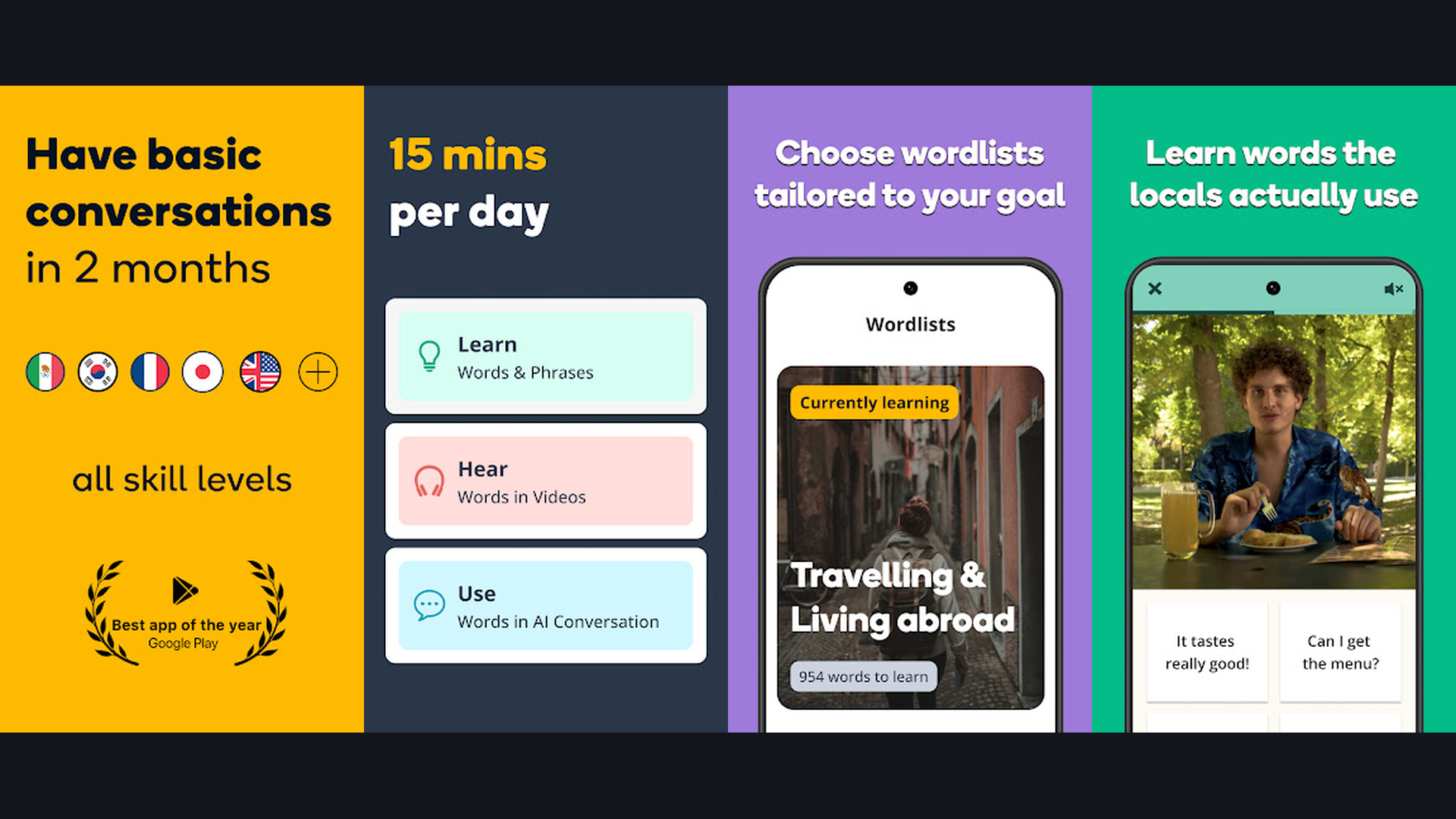
Memrise stands out by utilizing videos of native speakers in their everyday environments. Instead of robotic audio prompts, you see real people from Madrid or Mexico City pronouncing phrases naturally, complete with local slang and nuances. This was incredibly helpful for tuning my ear to the actual cadence of conversational Spanish. The app uses a spaced repetition system to ensure vocabulary sticks in your long-term memory. Since the app streams numerous high-quality video clips, ensure your data connection is stable; checking your SIM cards and network compatibility is a smart move before streaming lessons on the go.
9. Pimsleur (★ 4.6)
Pimsleur is entirely audio-based, focusing on conversational fluency. Each lesson is a 30-minute audio track where a narrator guides you through a conversation, prompting you to speak out loud. Because it is hands-free, I found it perfect for learning while driving, cooking, or walking the dog. The method forces you to recall and construct sentences on the fly, which drastically improved my speaking confidence. Since you can use it on the go, it is a great companion app if you are traveling or exploring; just be sure you understand what is GPS to navigate safely while listening.
10. Duolingo (★ 4.7)
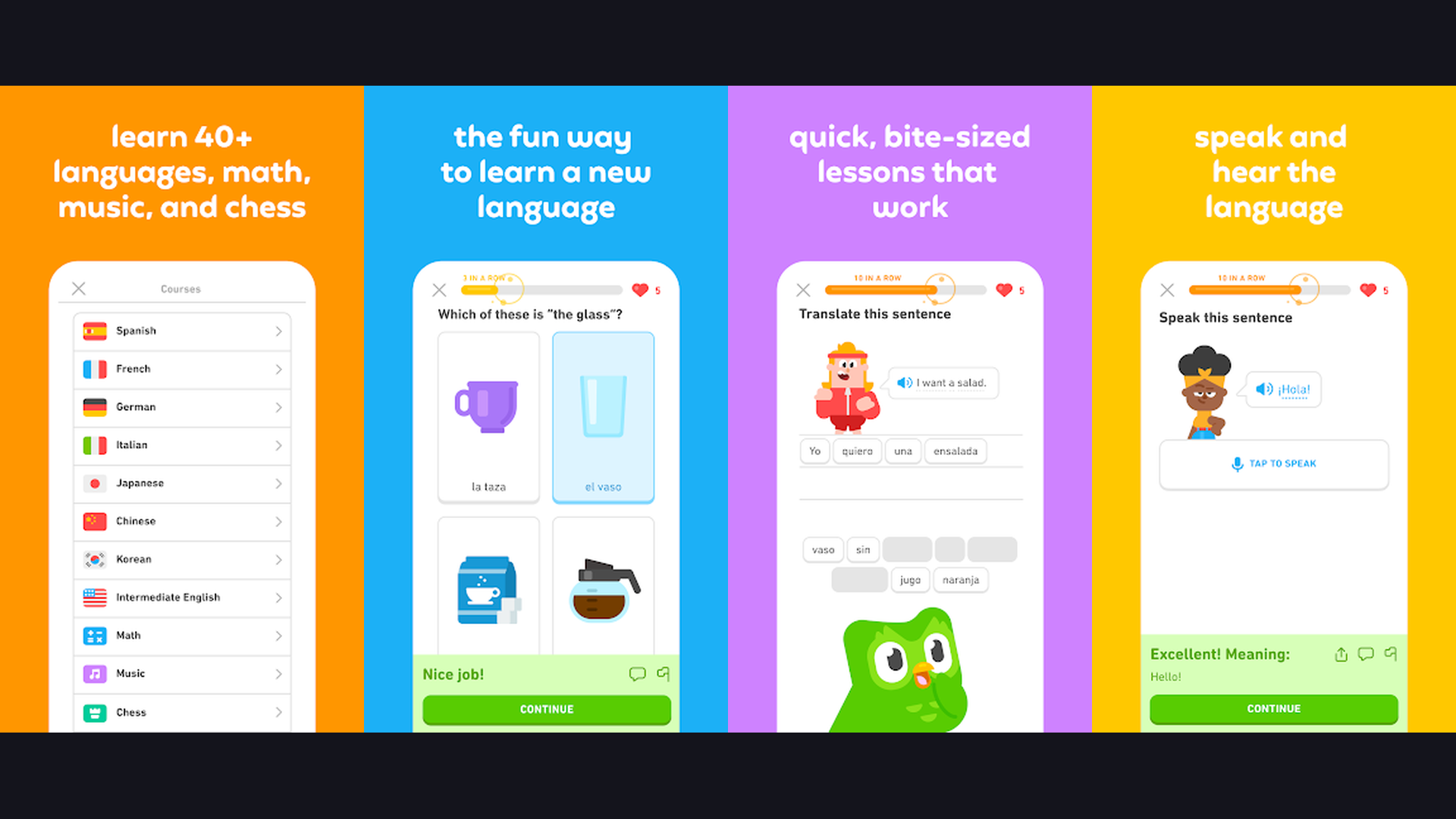
Duolingo is the undisputed giant of mobile language learning, and for good reason. Its gamified approach—complete with streaks, leaderboards, and the ever-persistent Duo the owl—makes building a daily habit incredibly easy. During my 30 days of Spanish, I found the bite-sized lessons perfect for quick sessions while waiting in line or commuting. The app focuses heavily on repetition and translation, which is great for building foundational vocabulary. While it might not make you perfectly fluent on its own, it is an essential starting point. The vibrant interface looks fantastic on modern screens, much like a premium AMOLED display. If you are serious about sticking to a routine, Duolingos habit-building mechanics are unmatched.
Conclusion: Which App Wins?
After 30 days of immersing myself in Spanish, I can confidently say there is no single "perfect" app—it depends entirely on your learning style. For building a daily habit and learning vocabulary, Duolingo and Memrise are fantastic. If you want structured grammar and conversational skills, Babbel and Busuu are the clear winners. For audio learners, Pimsleur is unparalleled, while Lingopie offers the most entertaining immersion experience. To get the best results, I recommend combining a structured app like Babbel with a vocabulary builder like Drops, and eventually practicing with real people on HelloTalk. By mixing methods, you will be well on your way to fluency.