
Nurse practitioners need reliable, evidence-based tools at the point of care. The right apps can transform your smartphone into a portable clinical reference library, drug interaction checker, diagnostic aid, and scheduling assistant. In 2026, mobile technology has become essential for NPs working across primary care, urgent care, hospital settings, and telehealth.
We have researched, tested, and ranked the 15 best apps for nurse practitioners based on real Play Store ratings, clinical utility, and peer recommendations. From comprehensive drug databases to AI-powered diagnostic tools, these apps cover every aspect of modern NP practice. For more healthcare and productivity tips, explore our guides on apps for pregnant women and battery optimization to keep your phone running through long shifts.
Table of Contents
1. MDCalc (★ 4.9)
MDCalc is the highest-rated clinical app for nurse practitioners, providing instant access to over 600 evidence-based medical calculators, risk scores, and clinical decision tools. From the Wells Score for PE to the CURB-65 for pneumonia severity, MDCalc helps you make faster, more accurate clinical decisions backed by peer-reviewed evidence.
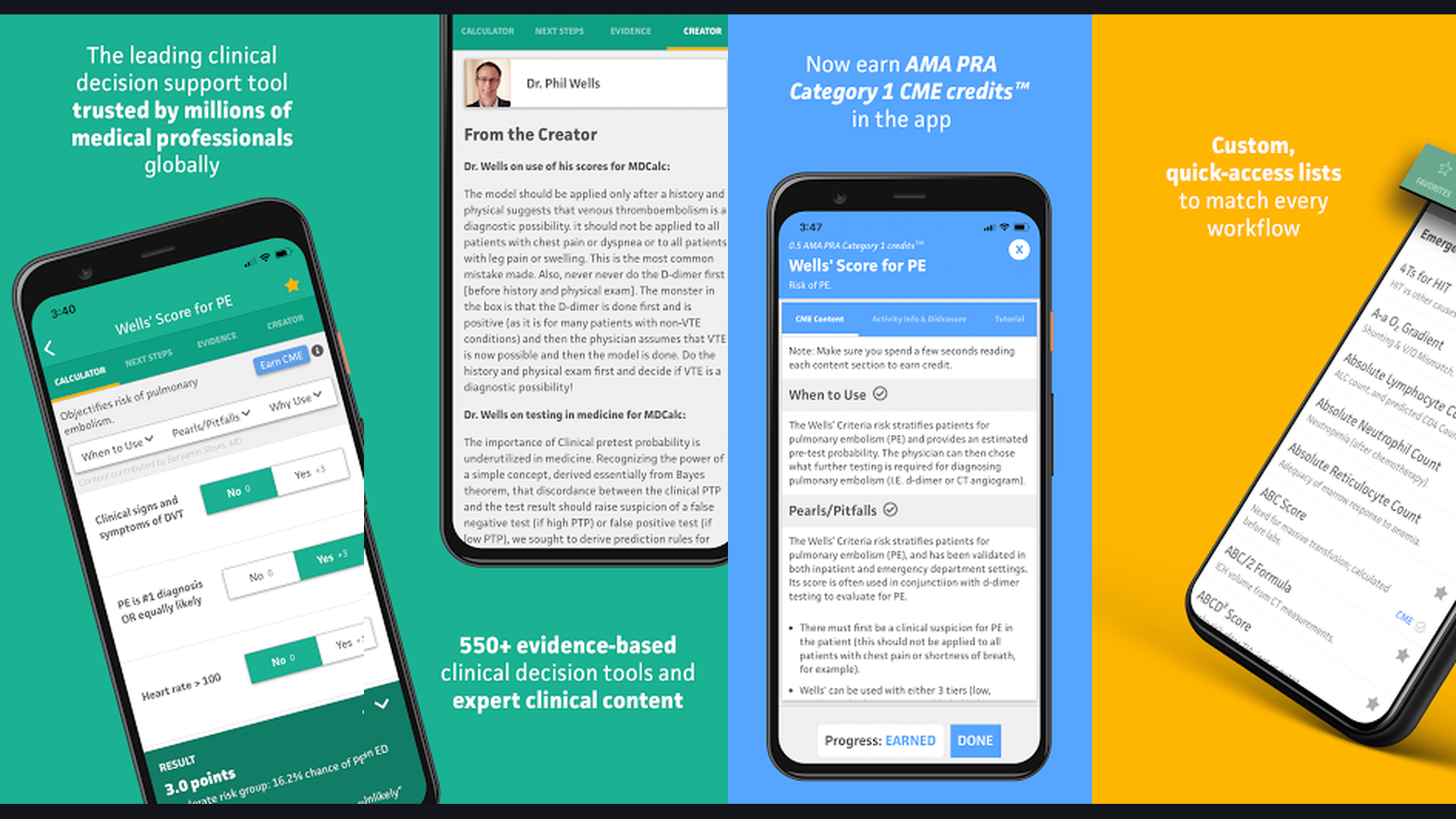
Each calculator includes detailed explanations of when and how to use the tool, links to the original research papers, and clinical pearls from the authors themselves. The search function lets you find the right calculator in seconds. The app works offline after initial download, making it reliable during hospital rounds or in areas without reliable Wi-Fi. Essential for every NP who needs quick, evidence-based decision support at the bedside.


2. Doximity (★ 4.8)
Doximity is the largest professional medical network in the United States, connecting over 2 million healthcare professionals including physicians, nurse practitioners, PAs, and pharmacists. It provides HIPAA-compliant telehealth video visits, secure messaging, and digital faxing — all from your smartphone.
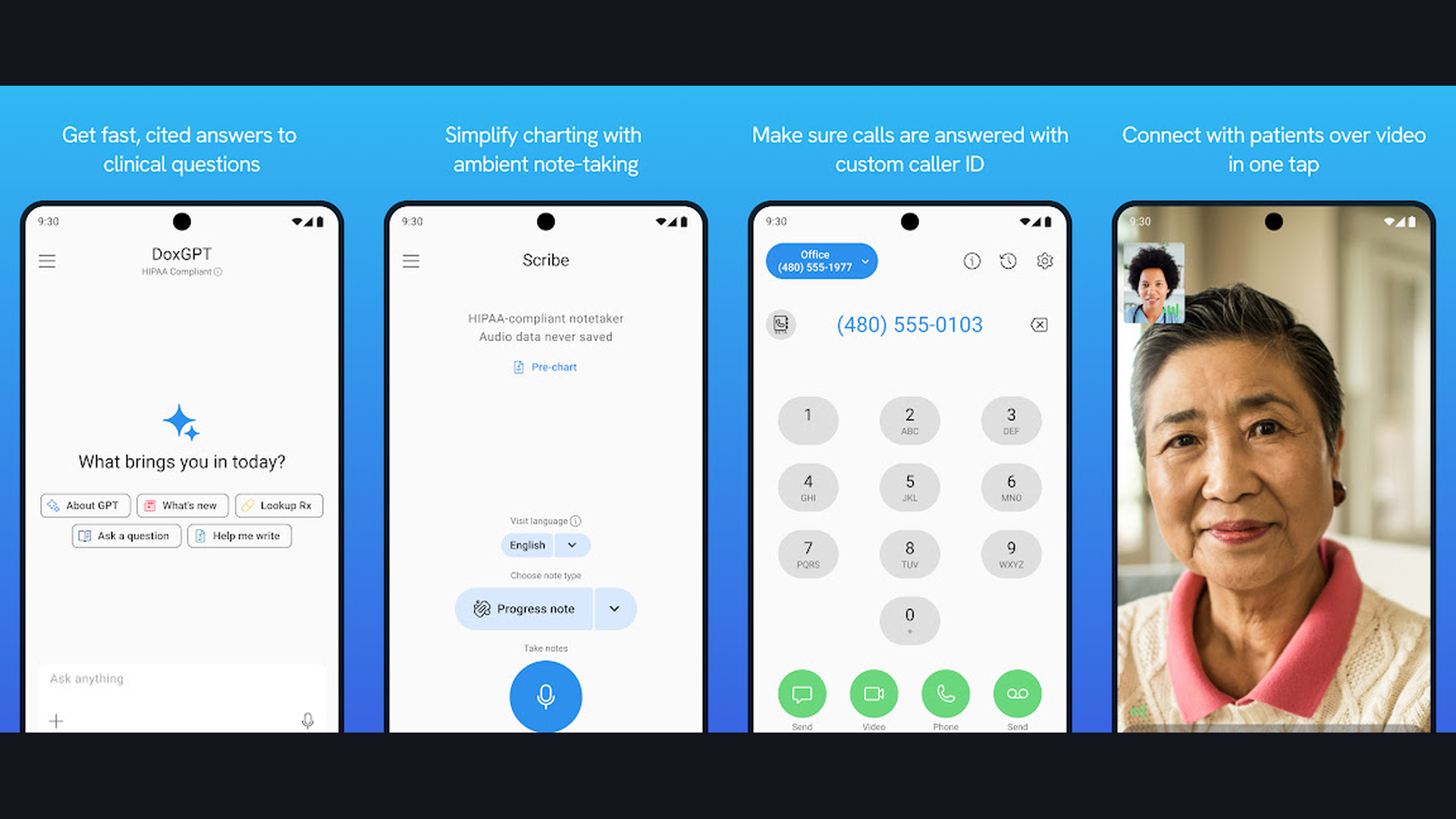
The Dialer feature lets you call patients from your personal phone while displaying your office number, protecting your privacy. Doximity Telehealth requires no app download for patients — they just click a link. The news feed curates medical articles, CME opportunities, and salary surveys relevant to your specialty. The colleague finder helps you connect with referral partners and former classmates. A must-have for NPs doing telehealth. Check our best communication apps for more team collaboration tools.
3. UpToDate (★ 4.3)
UpToDate is the gold standard in evidence-based clinical decision support, trusted by over 2 million clinicians worldwide. It covers more than 12,000 medical topics with regularly updated, peer-reviewed recommendations written by leading medical experts across every specialty.
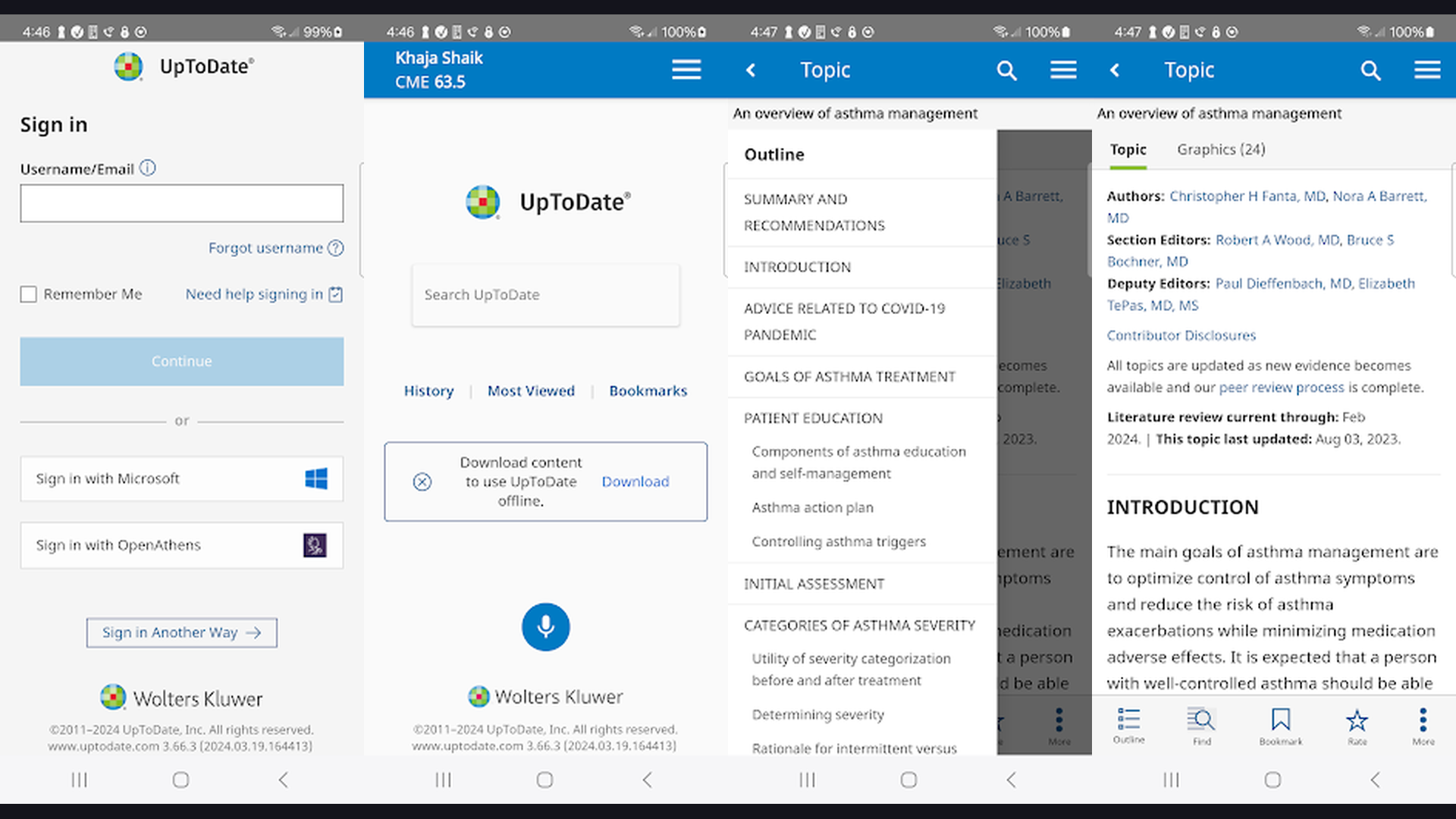
Every recommendation includes a grading system indicating the strength of evidence. The drug interaction checker cross-references your patient medications instantly. Patient education handouts can be shared directly from the app. You can earn CME/CE credits while researching clinical questions during your workflow, turning point-of-care learning into continuing education. The app requires a subscription (many hospitals and health systems provide institutional access).
4. NurseGrid (★ 4.0)
NurseGrid is the leading schedule management app built specifically for nurses and nurse practitioners. Manage complex shift schedules, request time off, swap shifts with colleagues, and keep track of your work-life balance — all from one clean interface.
The calendar syncs with your personal calendar so you never double-book. Push notifications alert you to open shifts, approved time-off requests, and schedule changes. The team messaging feature keeps communication organized by unit or department. Paycheck estimates help you track earnings including overtime and differentials. Used by nurses at over 3,800 hospitals across the country. Essential for NPs juggling clinical rotations, on-call schedules, and personal commitments.
5. VisualDx (★ 4.0)
VisualDx is a powerful AI-assisted diagnostic support tool that helps nurse practitioners visually identify and diagnose dermatological conditions, infectious diseases, and other visually presenting conditions. The database contains over 100,000 medical images covering 1,300+ diagnoses.
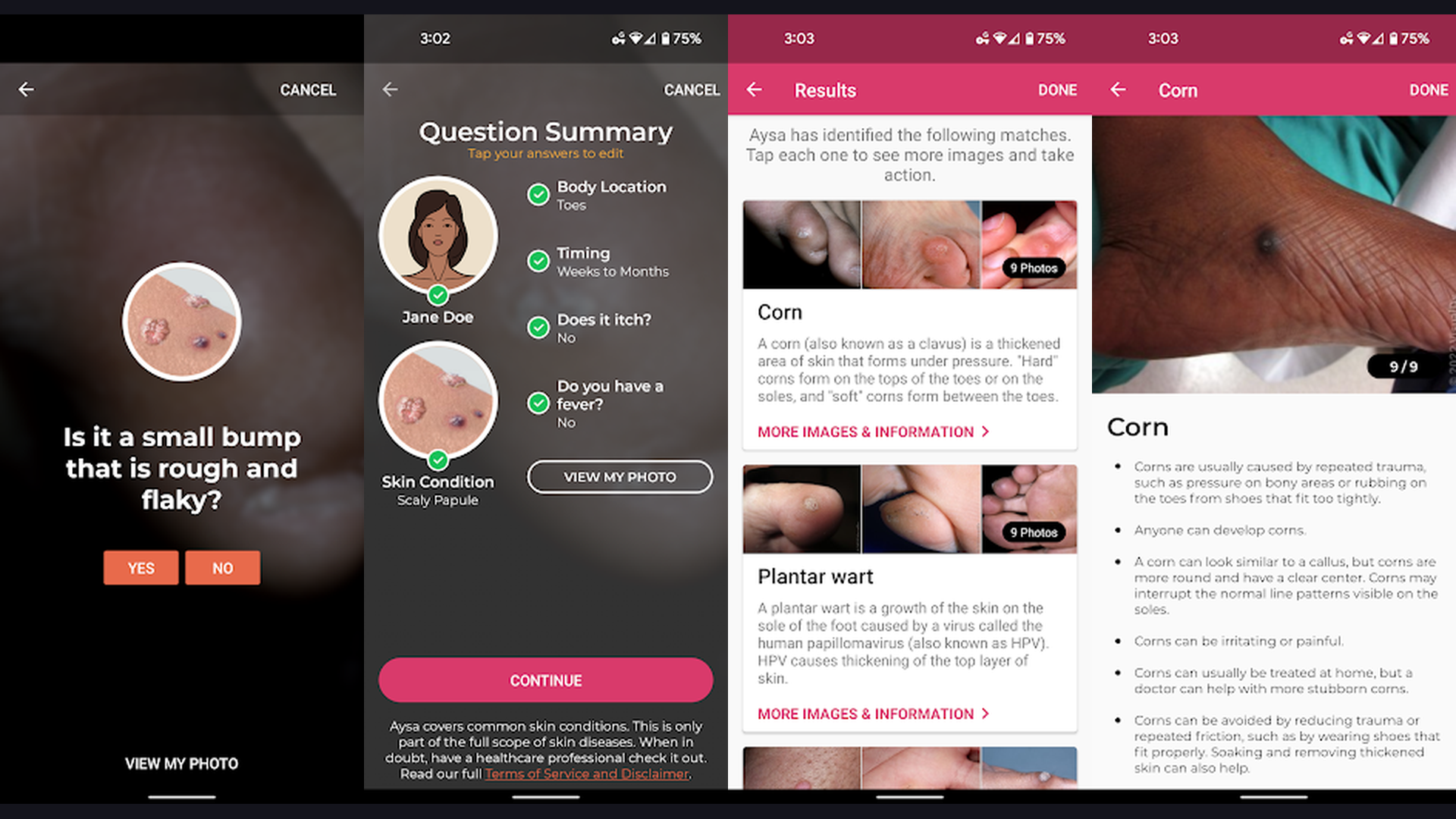
The AI image analysis feature lets you upload a photo and receive a ranked list of possible diagnoses. The symptom-based search narrows differential diagnoses by patient demographics, symptoms, and clinical findings. Drug reaction lookup helps identify medication-related skin conditions. Treatment recommendations and patient handouts accompany each diagnosis. Invaluable for NPs in primary care and urgent care who frequently encounter dermatological presentations. Learn about camera technology for capturing better clinical photos.
6. PEPID (★ 4.0)
PEPID is a comprehensive clinical reference app specifically designed for advanced practice providers including nurse practitioners, physician assistants, and emergency medicine professionals. It combines drug information, clinical pathways, differential diagnosis tools, and medical calculators in a single platform.
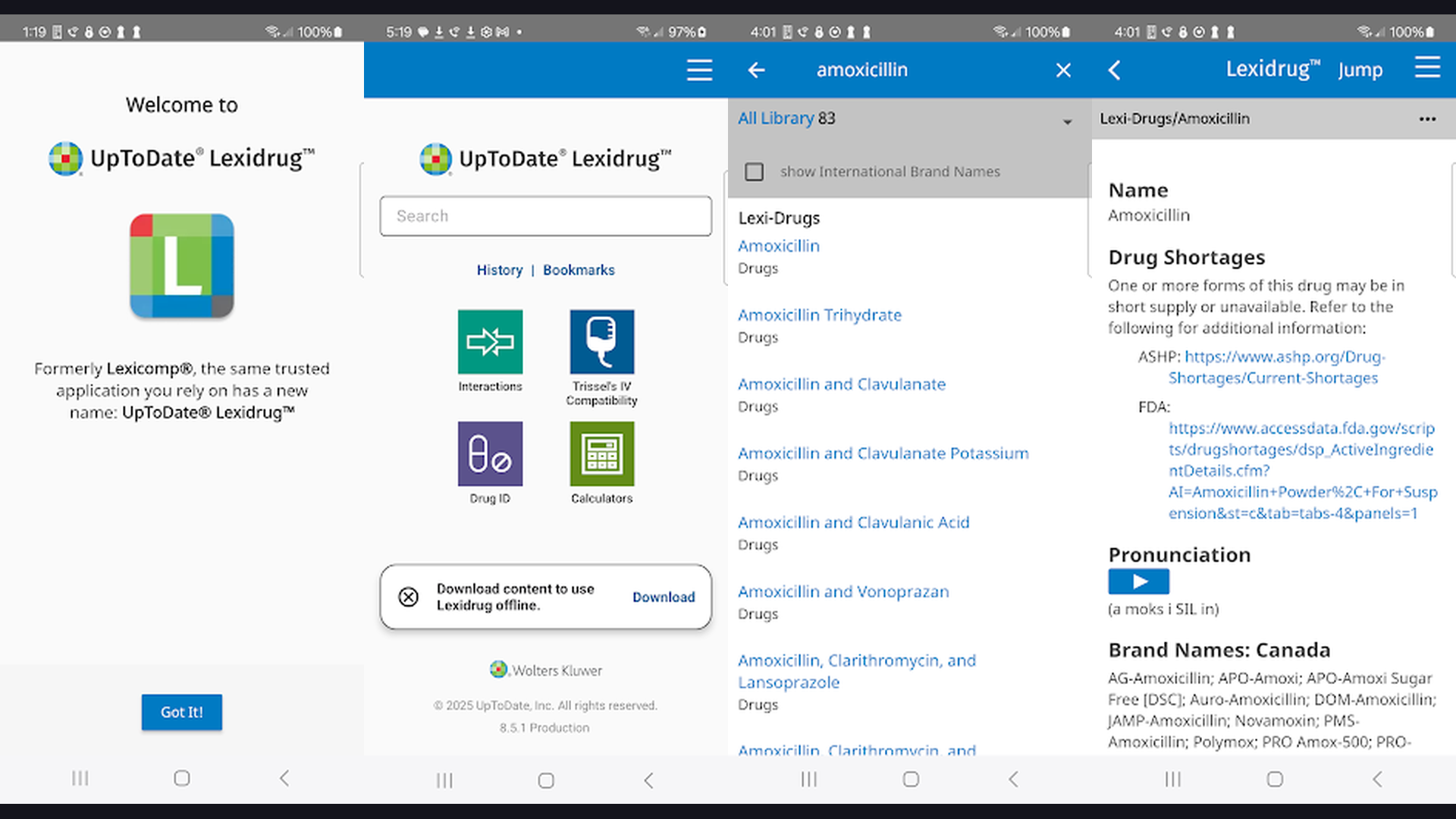
The symptom checker guides you through differential diagnoses with evidence-based clinical pathways. Drug interaction checking covers multi-drug interactions including herbals and supplements. The pediatric dosing calculator provides weight-based calculations. ICD-10 code lookup speeds up documentation. Content is regularly updated with the latest treatment guidelines. PEPID offers specialty-specific modules including Emergency Medicine, Internal Medicine, and Family Practice editions tailored for NP workflows.
7. Sanford Guide (★ 4.0)
Sanford Guide to Antimicrobial Therapy is the definitive infectious disease reference for healthcare providers. This digital version of the classic pocket guide provides evidence-based antibiotic, antifungal, antiviral, and antiparasitic treatment recommendations updated monthly with the latest research.
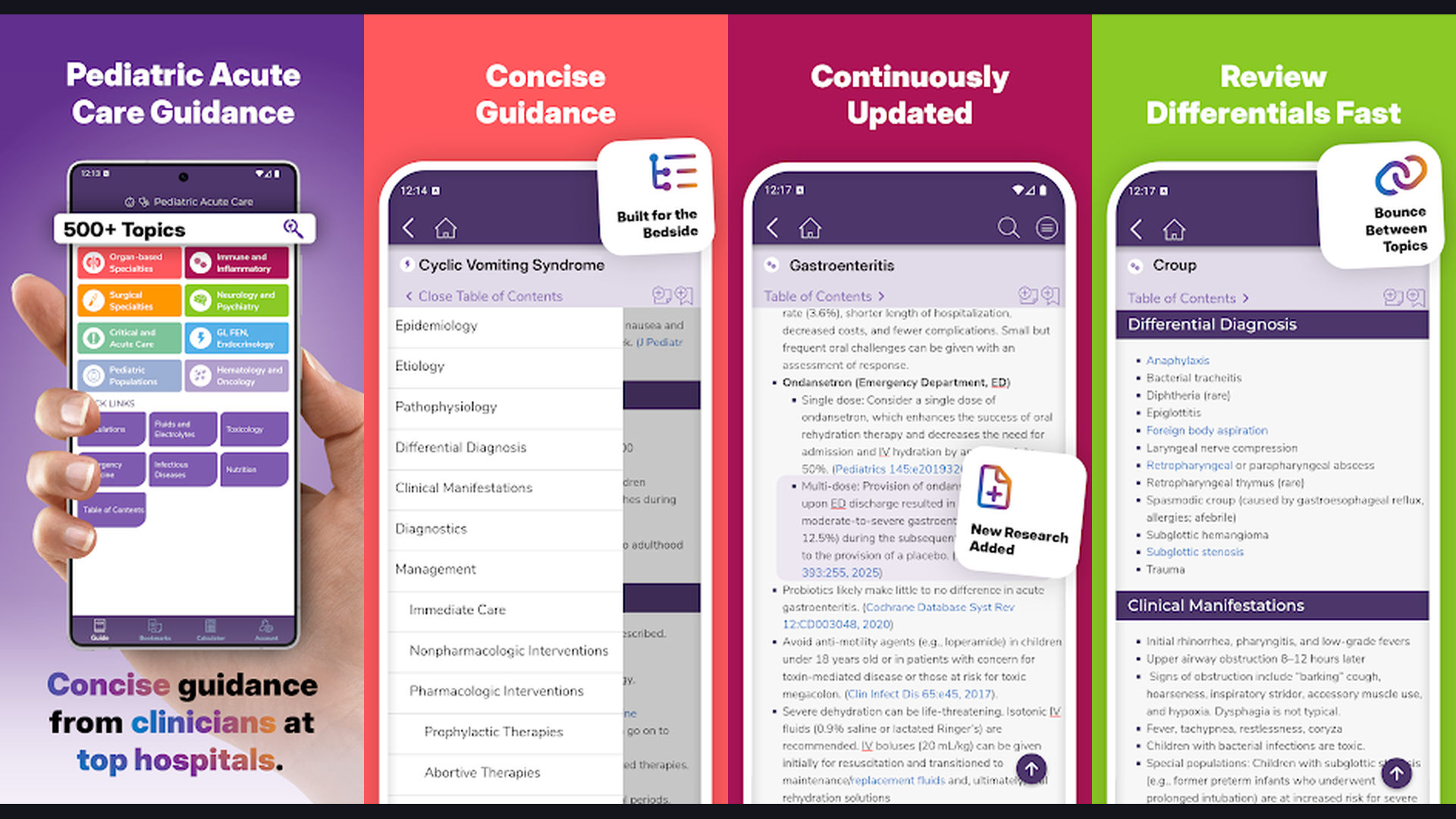
Integrated calculators for CrCl, BMI, and dosing adjustments simplify prescribing decisions. The organism-to-drug and drug-to-organism cross-referencing helps you quickly find the right treatment. Resistance patterns, pregnancy considerations, and renal dose adjustments are included. Hepatitis, HIV, and TB treatment tables are regularly updated. Essential for NPs who prescribe antibiotics — which is nearly all of them. One of the most trusted references in infectious disease for over 50 years.
8. CDC Mobile (★ 4.0)
CDC Mobile provides direct access to the latest health information, disease surveillance data, outbreak alerts, vaccine schedules, and clinical guidelines from the Centers for Disease Control and Prevention. Stay current with emerging infectious diseases, travel health advisories, and public health recommendations.
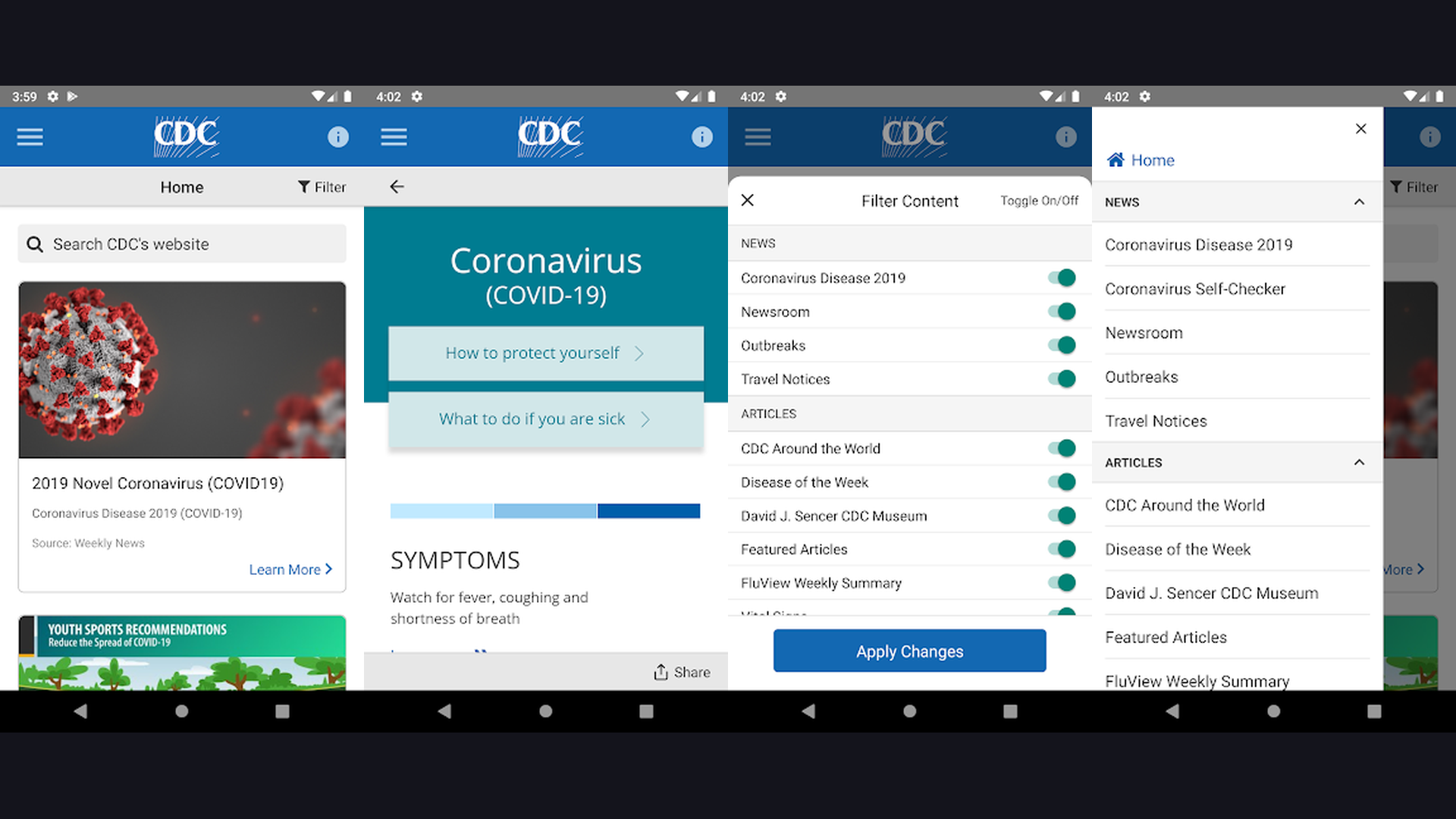
The immunization schedule section provides the complete recommended childhood, adolescent, and adult vaccine schedules with catch-up guidelines. Traveler health recommendations by country are essential for advising patients before international trips. Disease-specific fact sheets can be shared with patients. MMWR (Morbidity and Mortality Weekly Report) articles keep you informed about disease trends. Free and authoritative — no subscription required.
9. Davis Drug Guide for Nurses (★ 4.0)
Davis Drug Guide for Nurses is one of the most comprehensive medication reference apps designed specifically for nursing professionals. It covers thousands of medications with detailed nursing-specific information including patient teaching points, assessment parameters, and nursing implications that generic drug apps simply do not provide.
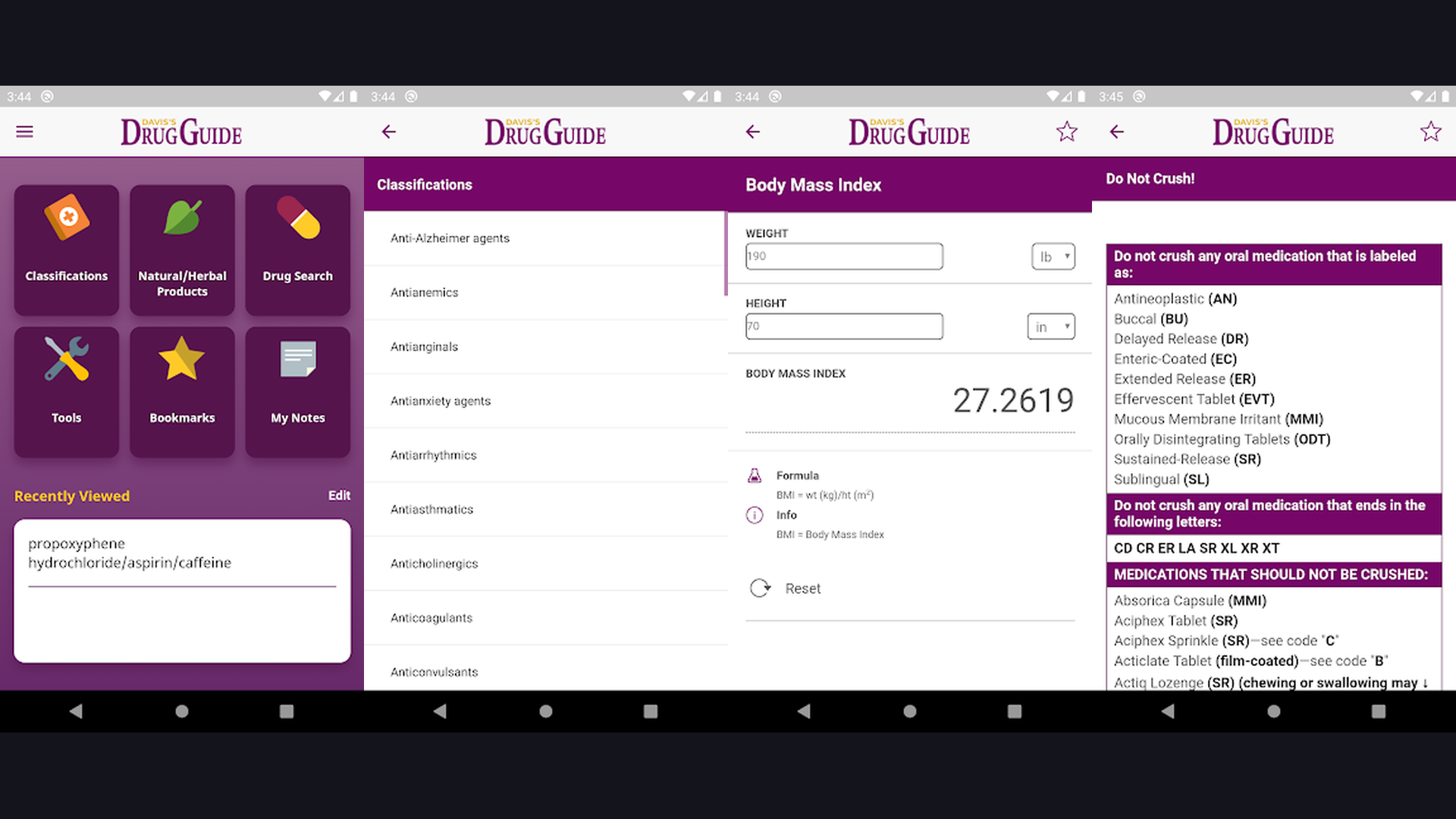
Each drug entry includes administration guidelines, IV compatibility data, assessment considerations, and what to teach patients. The natural products section covers common herbal supplements and their interactions with prescription medications. Canadian drug names are included for cross-border practice. Drug safety highlights alert you to high-alert medications and sound-alike/look-alike drug names. The trusted companion for NPs focused on safe medication administration and patient education.
10. Merck Manual Professional (★ 4.0)
The Merck Manual Professional Edition is a comprehensive medical reference covering diagnosis, treatment, and prevention across virtually every medical specialty. Organized by body system and condition, it provides thorough clinical overviews written by over 350 expert contributors.
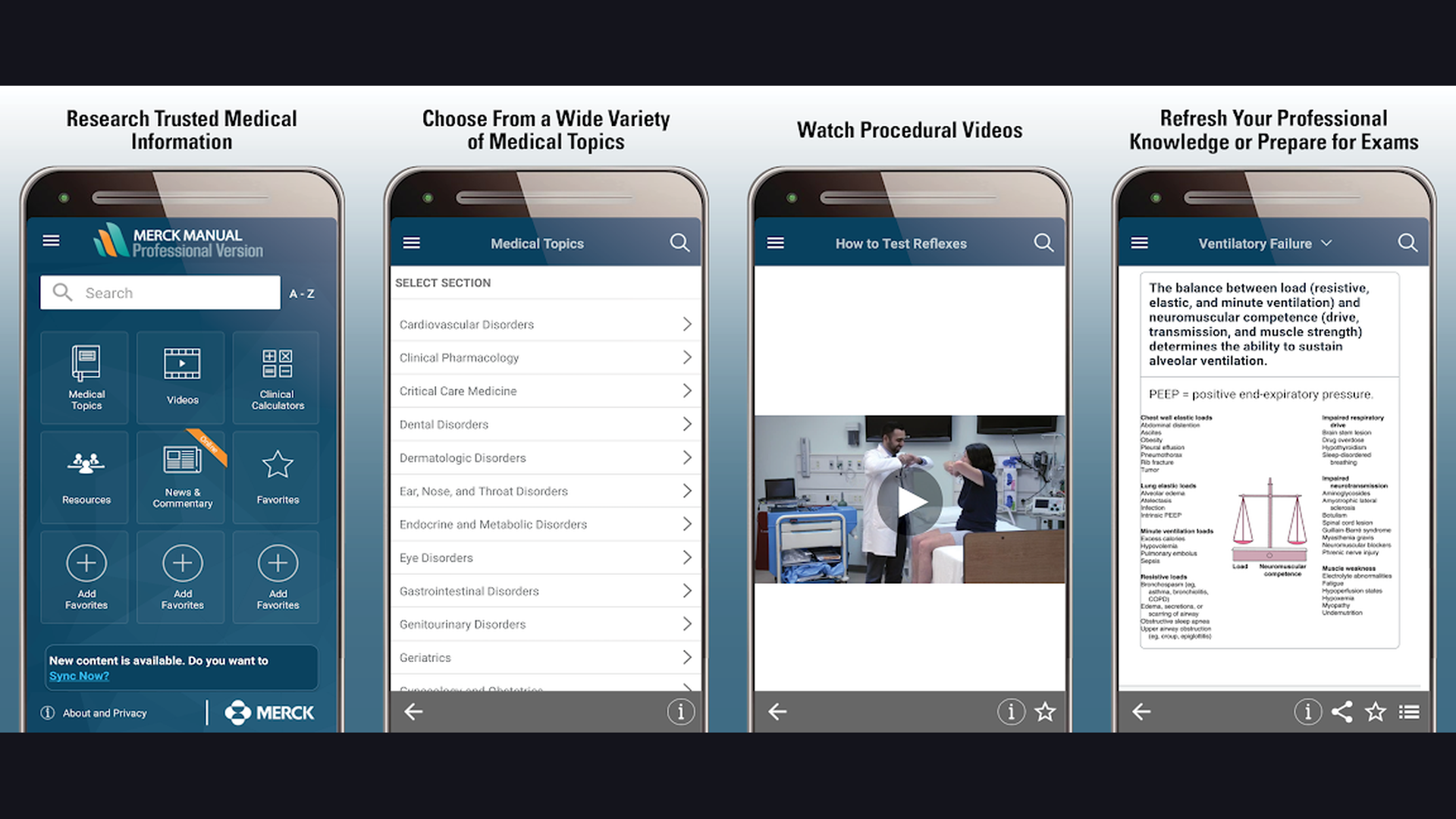
The app includes clinical images, videos, laboratory reference ranges, and clinical calculators. Procedural descriptions with step-by-step instructions help with less common procedures. The patient education version lets you share simplified explanations with patients. Drug information is integrated throughout disease chapters. Quizzes test your knowledge on various topics. Completely free — one of the most valuable free medical resources available. Check our display size guide for choosing a phone with a screen large enough for reading detailed medical content.
11. DynaMed (★ 4.0)
DynaMed is an evidence-based clinical information resource that provides concise, actionable answers to clinical questions at the point of care. Often compared to UpToDate, DynaMed distinguishes itself with its systematic review methodology and organized, scannable content format that prioritizes the most relevant information.
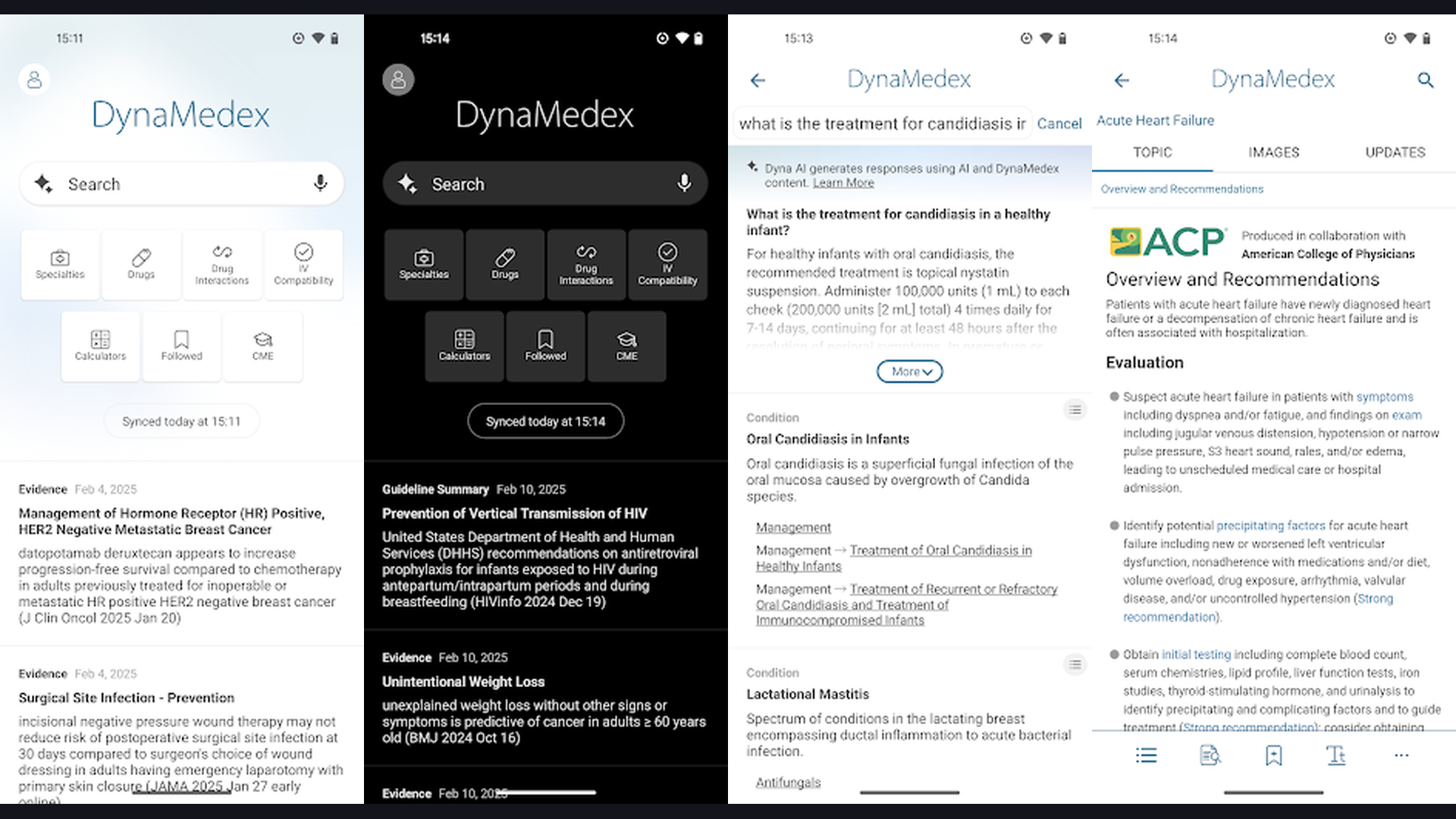
Topics are organized with key recommendations at the top, followed by supporting evidence and details. The "Content is Current" badge indicates when a topic was last reviewed and updated. Micromedex drug content is integrated for comprehensive medication information. Graphic guidelines and algorithms present complex clinical pathways visually. DynaMed Decisions shared-decision-making tools help you and your patients weigh treatment options together.
12. Taber Medical Dictionary (★ 4.0)
Taber Cyclopedic Medical Dictionary is the definitive medical dictionary for nursing and healthcare professionals. With over 75,000 terms, it goes beyond simple definitions to include pronunciation guides, etymologies, patient care information, and nursing-specific appendices.
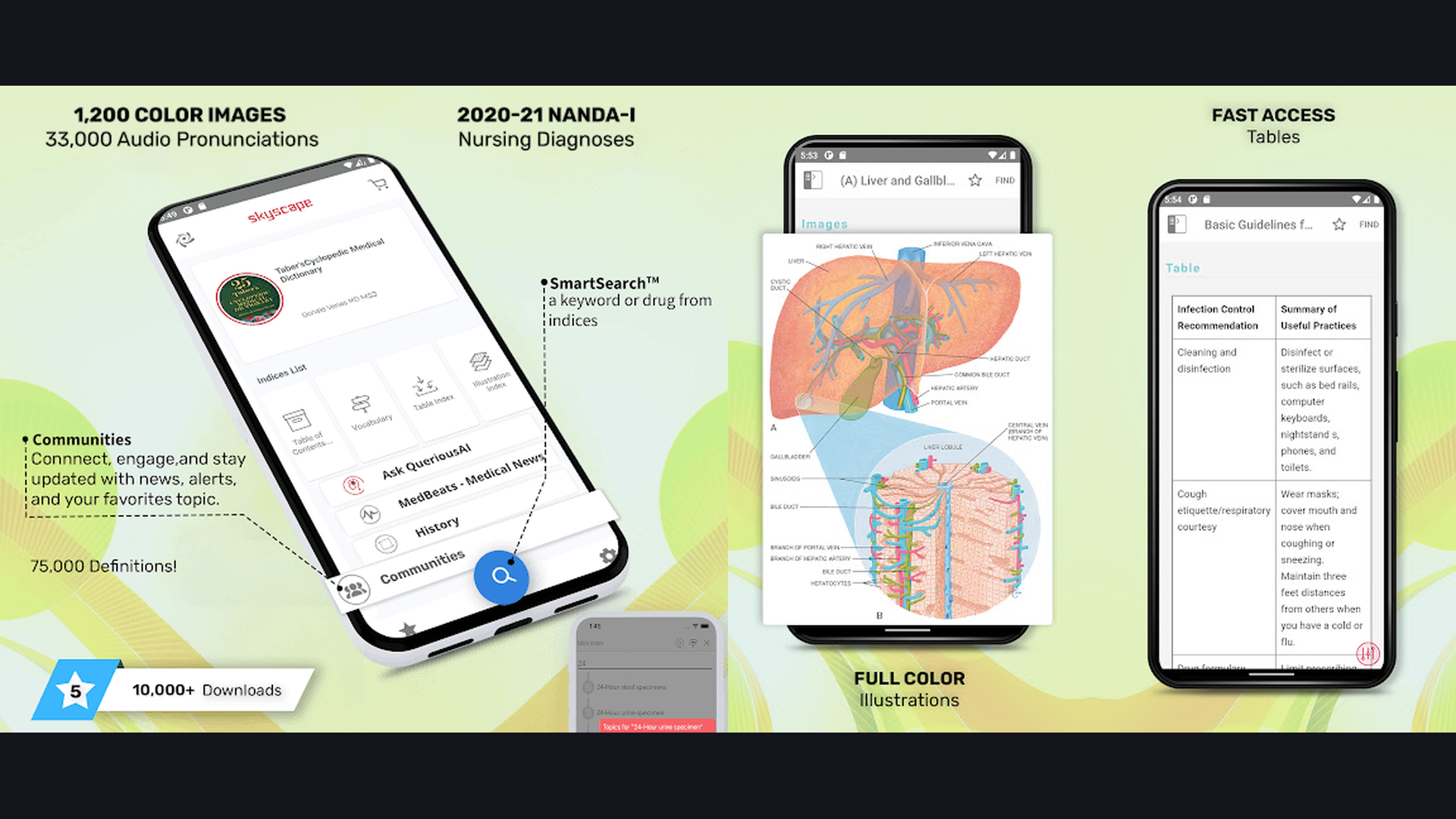
Entries include practical patient care context that helps you understand not just what a term means but how it applies to clinical practice. Anatomical illustrations, lab value references, and clinical abbreviation guides are built in. Bookmarking and history features let you quickly revisit frequently referenced terms. Audio pronunciations help with medical terminology. The nursing school staple that continues to serve NPs throughout their careers.
13. Nursing Central (★ 4.0)
Nursing Central bundles multiple essential nursing references into one integrated app: Davis Drug Guide, Taber Medical Dictionary, diseases and conditions database, lab and diagnostic tests, and MEDLINE journals. It is the all-in-one reference platform designed for nursing professionals.
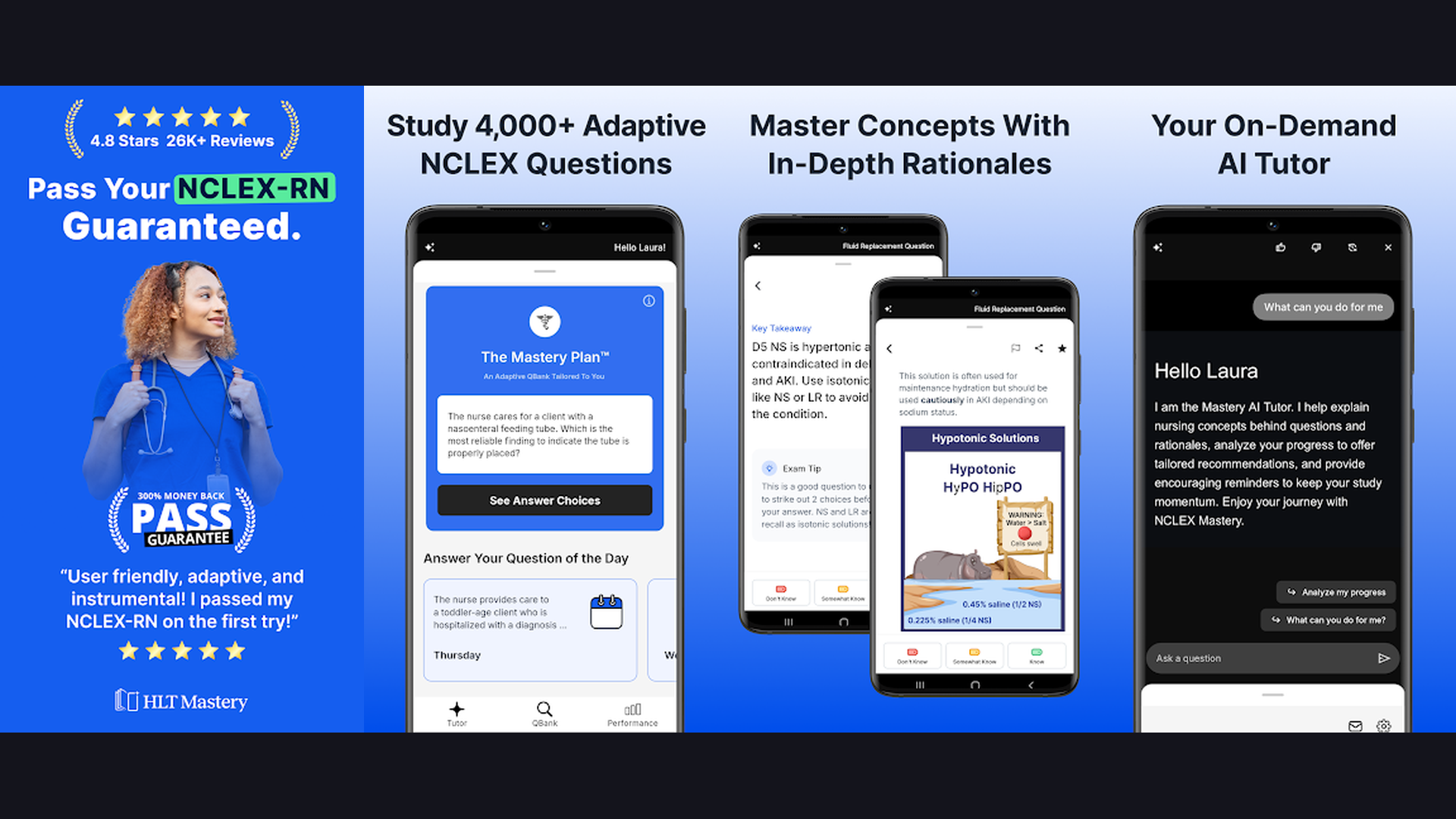
Cross-referencing between the bundled resources means you can jump from a disease overview to related drugs to relevant lab tests seamlessly. The nursing advisor module provides evidence-based care plans and interventions. Patient education handouts can be generated for hundreds of conditions. The app works offline after downloading content, making it reliable in any clinical setting. Cost-effective compared to purchasing each reference app individually. For more mobile productivity, see our best offline apps.
14. Medscape (★ 3.7)
Medscape is one of the most comprehensive free medical resources available, offering drug references, disease information, clinical procedures, medical news, and continuing education — all without a subscription fee. Over 7 million healthcare professionals use Medscape worldwide.
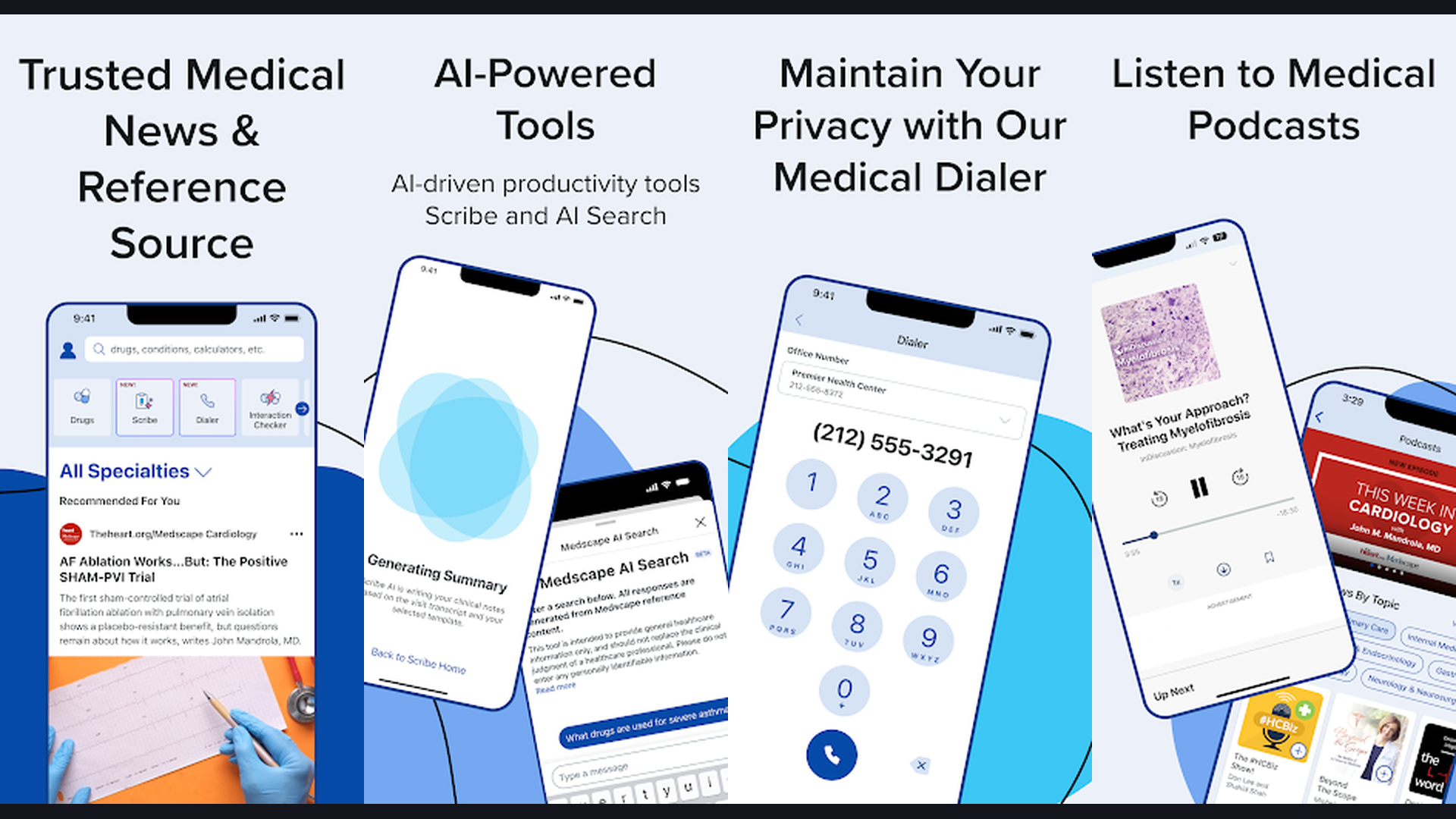
The drug interaction checker handles multi-drug interactions with detailed severity ratings. The pill identifier uses visual recognition to identify unknown medications. Over 8,500 drug monographs cover prescribing information, dosing, interactions, and contraindications. Medical news is curated by specialty with expert commentary. Free CME/CE courses let you earn continuing education credits on your phone during downtime. The lower rating reflects occasional app performance issues, but the free content is unmatched.
15. Epocrates (★ 2.7)
Epocrates was the original mobile drug reference that revolutionized point-of-care prescribing. Despite its lower current rating (primarily due to recent interface changes and subscription model shifts), it remains one of the most recognized and feature-rich medication resources available for healthcare providers.
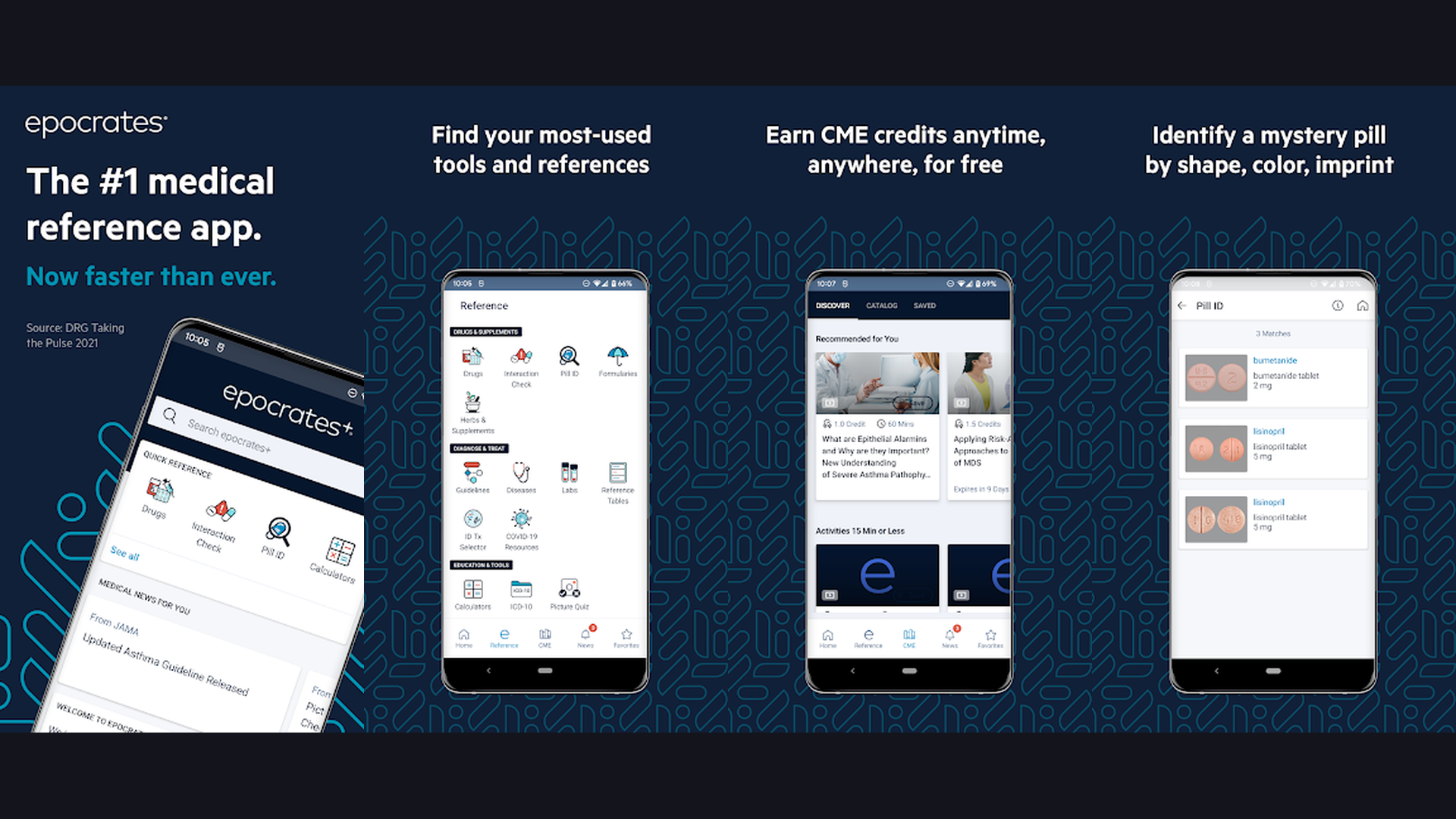
The multi-drug interaction checker is fast and comprehensive, supporting checks across unlimited medications simultaneously. The pill identifier includes photographs for visual confirmation. Dosing information includes renal and hepatic adjustments. Formulary information helps with insurance-aware prescribing. Disease information modules cover diagnosis and treatment across primary care conditions. The free version provides core drug references, while Epocrates+ adds disease content, lab guides, and clinical tables. Learn about NFC technology for quick device pairing in clinical settings.
How to Choose the Right NP App
Clinical Reference
For comprehensive clinical decision support, choose UpToDate or DynaMed. Both require subscriptions but provide the deepest evidence-based content. Merck Manual and Medscape are excellent free alternatives with slightly less depth.
Drug Reference
Davis Drug Guide is ideal for nursing-specific medication information. Epocrates offers the fastest drug interaction checking. Sanford Guide is essential if you prescribe antibiotics frequently.
Diagnostic Support
VisualDx is the leader for visual diagnosis with AI assistance. MDCalc provides the most clinical calculators and risk scores. PEPID offers comprehensive differential diagnosis tools.
Communication and Scheduling
Doximity handles telehealth and secure messaging. NurseGrid manages complex shift schedules. Use both together for a complete practice management toolkit. See our battery health tips to keep your phone charged through long shifts, and explore RAM requirements for running multiple medical apps simultaneously.
Frequently Asked Questions
What is the best free app for nurse practitioners?
Medscape is the best free app with drug references, disease information, medical news, and free CME courses. MDCalc (free tier) and Merck Manual (completely free) are also excellent no-cost options.
Do I need a subscription for UpToDate?
Yes, UpToDate requires a subscription. However, many hospitals, health systems, and NP programs provide institutional access. Check with your employer before purchasing individually.
Which app is best for drug interactions?
Epocrates and Medscape both offer robust drug interaction checkers for free. PEPID provides the most comprehensive interaction checking including herbals and supplements.
Can these apps replace clinical textbooks?
For point-of-care reference, yes. Apps like UpToDate, DynaMed, and Nursing Central provide the same or more current information than textbooks, with the advantage of constant updates. However, they complement rather than replace formal education.
Conclusion
The 15 apps above cover every essential need for nurse practitioners in 2026 — from clinical decision support and drug references to diagnostic tools, scheduling, and telehealth. MDCalc leads with its unmatched calculator library, while Doximity dominates telehealth and professional networking. UpToDate remains the gold standard for evidence-based clinical content.
Start with the free options (Medscape, MDCalc, Merck Manual, CDC Mobile) and add premium tools as your practice demands. The investment in apps like UpToDate and Sanford Guide pays for itself in faster, more confident clinical decisions. For more app recommendations, explore our guides on best offline apps, mobile processor performance, and health and fitness apps.