
Mobile processors are the beating heart of every smartphone, tablet, and wearable device. In 2026, the competition between Qualcomm Snapdragon, Apple Bionic, MediaTek Dimensity, and Samsung Exynos has reached unprecedented levels with 2nm and 3nm fabrication nodes, on-device AI acceleration, and hardware ray tracing for gaming. This comprehensive guide explains everything you need to know about mobile processors in 2026.
Understanding mobile processors helps you make smarter buying decisions. Whether you prioritize gaming performance, camera processing speed, battery efficiency, or AI-powered features, the processor determines your real-world experience.
What Is a Mobile Processor (SoC)?
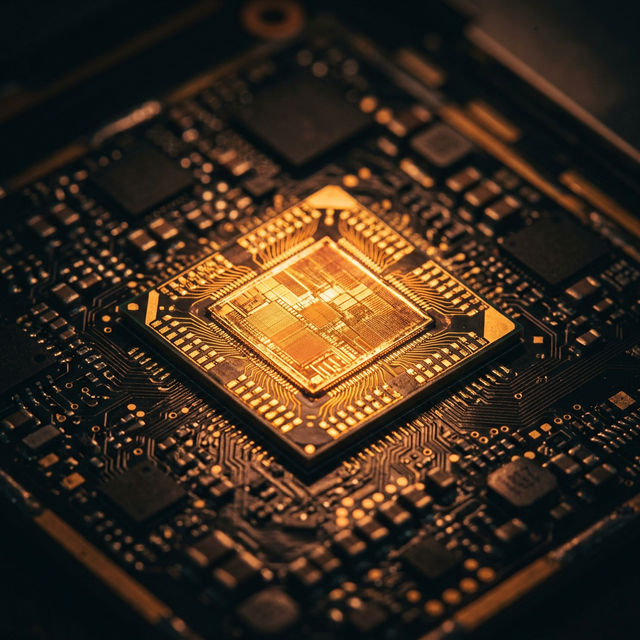
A mobile processor, formally called a System-on-Chip (SoC), integrates multiple components into a single silicon die. Unlike desktop CPUs that only handle computation, a mobile SoC combines the CPU, GPU, Neural Processing Unit (NPU), Image Signal Processor (ISP), modem, and memory controller into one package. This integration is what makes smartphones so power-efficient compared to laptops and desktops.
In 2026, leading SoCs contain over 25 billion transistors fabricated at 2nm or 3nm process nodes. Smaller transistors mean more computational power per watt, which translates to longer battery life and cooler operating temperatures during intensive tasks.
Key Components of a Mobile SoC
- CPU (Central Processing Unit): Handles general computation, app logic, and operating system tasks. Uses ARM Cortex or custom cores in a big.LITTLE or DynamIQ arrangement.
- GPU (Graphics Processing Unit): Renders 3D graphics, UI animations, camera filters, and now supports hardware ray tracing for realistic lighting in mobile games.
- NPU (Neural Processing Unit): Dedicated AI accelerator for machine learning tasks like real-time translation, computational photography, voice recognition, and on-device LLM inference.
- ISP (Image Signal Processor): Processes raw camera sensor data into the photos and videos you see. Handles HDR, noise reduction, and multi-frame stacking.
- Modem: Manages cellular (5G/4G), Wi-Fi 7, Bluetooth 6, and satellite connectivity.
- DSP (Digital Signal Processor): Handles audio processing, sensor fusion, and always-on listening (wake words) with minimal power draw.
Top Mobile Processors in 2026
Qualcomm Snapdragon 8 Elite Gen 5
The Snapdragon 8 Elite Gen 5 is Qualcomm flagship mobile platform for 2026, built on TSMC 3nm process technology. It features the 3rd-generation custom Oryon CPU with two Prime cores clocked at 4.6 GHz and six Performance cores at 3.62 GHz, delivering industry-leading multi-core performance for Android devices.
The Adreno 840 GPU supports hardware ray tracing for realistic reflections and shadows in mobile games, with 23% higher gaming performance and 20% lower GPU power consumption than the previous generation. Benchmark scores reach approximately 3.86 million on AnTuTu and 3,823 single-core / 12,218 multi-core on Geekbench. The Hexagon NPU is 37% faster than its predecessor and supports agentic AI features for on-device large language model inference. It powers flagship phones from Samsung, OnePlus, Xiaomi, and ASUS ROG.

Apple A19 Pro
The Apple A19 Pro powers the iPhone 17 Pro and iPhone 17 Pro Max, continuing Apple leadership in single-core CPU performance and power efficiency. Built on TSMC 3nm, it features a 6-core CPU (2 performance + 4 efficiency cores) and a 6-core GPU with enhanced ray tracing capabilities.
Apple dedicated Neural Engine with 16 cores dominates AI workloads, making features like Visual Intelligence, on-device Siri processing, and real-time video analysis remarkably fast. The A19 Pro delivers consistent performance with the lowest surface temperatures among flagship processors, critical for sustained photography and video sessions. Geekbench single-core scores lead all mobile chips, and the ISP supports ProRAW, ProRes, and spatial video capture. Learn about camera technology to understand how the ISP impacts photo quality.
MediaTek Dimensity 9500
The Dimensity 9500 represents MediaTek best-ever flagship SoC, built on TSMC advanced 3nm node. It has closed the gap with Snapdragon and Apple in raw performance while claiming the battery efficiency crown in 2026. Under mixed daily use, the Dimensity 9500 delivers the slowest battery drain of any flagship processor tested.
The Dimensity 9500 GPU surprisingly takes the top spot in 3DMark Solay Bay ray tracing tests, surpassing even Snapdragon 8 Elite Gen 5 in this specific workload. The integrated APU (AI Processing Unit) handles generative AI tasks efficiently, and the ISP supports 320MP cameras, 4K HDR video at 60fps, and advanced computational photography. AnTuTu scores reach approximately 4.01 million, making it the highest-scoring chipset on that benchmark. The Dimensity 9500 powers premium devices from Xiaomi, OPPO, vivo, and OnePlus.
Samsung Exynos 2600
The Exynos 2600 is Samsung comeback chip and the world first mobile SoC fabricated on a 2nm process node (Samsung GAA technology). It features a deca-core CPU peaking at 3.8 GHz, a next-generation AMD-powered Xclipse GPU with RDNA 3.5 architecture, and an upgraded NPU for Samsung Galaxy AI features.
Samsung promises 5% higher performance and 8% better power efficiency over the Exynos 2500, though early benchmarks suggest the 2nm advantage may be more about efficiency than raw speed. The Exynos 2600 powers the Galaxy S26 and Galaxy S26+ and integrates Samsung 5G modem with support for sub-6GHz and mmWave bands plus satellite communication. Check our guide on NFC technology for another key smartphone feature.
Best Mid-Range Mobile Processors in 2026
Not everyone needs flagship-tier performance. These mid-range processors deliver excellent everyday experiences at more affordable price points.
Qualcomm Snapdragon 7+ Gen 4
The Snapdragon 7+ Gen 4 brings trickle-down Oryon CPU cores to the mid-range, with 4nm fabrication and a capable Adreno GPU. It supports 200MP cameras, Wi-Fi 7, and on-device AI processing for features like real-time translation and smart photo editing. Gaming performance handles most titles at high settings with stable frame rates. This chipset powers popular devices priced between $300-500.
MediaTek Dimensity 8500
Announced alongside the Dimensity 9500, the Dimensity 8500 targets the premium mid-range segment with 4nm fabrication, strong AI capabilities, and excellent power efficiency. It supports 5G connectivity, 200MP cameras, and advanced display features including 144Hz refresh rate panels. MediaTek aggressive pricing strategy makes this chipset available in smartphones under $350.
Google Tensor G5
Google Tensor G5 takes a different approach by prioritizing AI and machine learning workloads over raw benchmark scores. Co-designed with Samsung Semiconductor, it powers the Pixel 10 series with best-in-class on-device AI features including Magic Eraser, Photo Unblur, Live Translate, and Gemini Nano. While not the fastest in synthetic benchmarks, real-world AI task performance rivals Snapdragon flagship chips.

Mobile Processor Performance Comparison 2026
Benchmark scores matter, but real-world performance depends on thermal management, software optimization, and sustained workload handling. Here is how the top processors compare across key metrics:
| Processor | Process | AnTuTu | Geekbench SC | Geekbench MC | Best For |
|---|---|---|---|---|---|
| Snapdragon 8 Elite G5 | 3nm | ~3.86M | 3,823 | 12,218 | Gaming |
| Apple A19 Pro | 3nm | ~2.58M | ~4,100 | ~10,500 | Efficiency |
| Dimensity 9500 | 3nm | ~4.01M | ~3,600 | ~11,800 | Battery Life |
| Exynos 2600 | 2nm | ~3.2M | ~3,400 | ~10,000 | Samsung AI |
The Rise of On-Device AI Processing
2026 marks the year where on-device AI processing becomes the primary differentiator between mobile processors. Every flagship SoC now includes a powerful NPU capable of running large language models (LLMs) locally without cloud connectivity. This enables features like:
- Real-time language translation in phone calls and text messages
- Generative AI photo editing including object removal, scene extension, and style transfer
- On-device AI assistants that process queries without sending data to servers (improving privacy)
- Computational photography with AI-driven scene detection, HDR optimization, and night mode enhancement
- Voice AI with natural conversational abilities and context awareness
Qualcomm Hexagon NPU, Apple Neural Engine, MediaTek APU, and Samsung NPU each take different architectural approaches, but the end result is that your phone is becoming an intelligent computing device rather than just a communication tool.
How to Choose the Right Mobile Processor
For Gaming
Choose the Snapdragon 8 Elite Gen 5 for the best sustained gaming performance, extensive game optimization partnerships, and Adreno GPU ray tracing. The Dimensity 9500 is a close second with impressive GPU benchmarks. Explore our best combat flight simulators to test your processor.
For Photography and Video
The Apple A19 Pro delivers the most advanced computational photography with ProRAW, ProRes, and spatial video. Google Tensor G5 excels at AI-powered photo editing with Magic Eraser and Photo Unblur. Learn about camera technology and display resolution for the complete picture.
For Battery Life
The Dimensity 9500 delivers the lowest power consumption under mixed daily use. Apple A19 Pro offers predictable and stable discharge. Check out our guide on battery health monitoring apps.
For AI Features
Apple devices with A19 Pro lead in real-world AI features through Apple Intelligence. On Android, the Snapdragon 8 Elite Gen 5 offers the most powerful NPU for on-device LLM inference. Samsung Galaxy devices with Exynos 2600 get exclusive Galaxy AI features optimized for the hardware.
Frequently Asked Questions
Which is the best mobile processor in 2026?
It depends on your priorities. For Android gaming, the Snapdragon 8 Elite Gen 5 leads. For overall efficiency and ecosystem, the Apple A19 Pro excels. For best value, the Dimensity 9500 offers flagship performance at lower price points.
What does the nm (nanometer) process mean?
The nanometer rating refers to the size of transistors on the chip. Smaller numbers (like 2nm or 3nm) mean more transistors can fit in the same space, resulting in better performance and lower power consumption. Samsung Exynos 2600 is the first mobile chip at 2nm.
Is Snapdragon better than Exynos?
In 2026, Snapdragon 8 Elite Gen 5 generally outperforms Exynos 2600 in benchmarks and sustained workloads. However, Exynos 2600 is optimized for Samsung Galaxy AI features and offers competitive everyday performance within the Samsung ecosystem.
Do mobile processors affect camera quality?
Yes, significantly. The ISP built into the SoC processes camera data, and the NPU handles computational photography like HDR stacking, night mode, and AI scene optimization. A better processor generally means better photo and video quality from the same camera sensor. Learn more in our camera technology guide.
Conclusion
The mobile processor landscape in 2026 is the most competitive it has ever been. Qualcomm Snapdragon 8 Elite Gen 5 dominates Android gaming performance, Apple A19 Pro leads in efficiency and AI integration, MediaTek Dimensity 9500 proves that flagship performance and battery life can coexist, and Samsung Exynos 2600 breaks ground as the first 2nm mobile chip. Mid-range processors like the Snapdragon 7+ Gen 4 and Dimensity 8500 bring flagship-class features to affordable devices.
When choosing your next smartphone, look beyond the processor brand name and consider which specific strengths matter most to your daily usage. For more mobile technology guides, explore our articles on display size, memory cards, and affordable smartphones.