
Life on the road demands a different kind of navigation toolkit. Standard GPS gets you from point A to point B, but van life navigation means finding free camping in National Forest land, locating the nearest dump station at 7 PM, discovering a hidden waterfall trail five minutes from your overnight spot, and routing around a low-clearance bridge that would rip your roof rack off. The right combination of apps transforms the unpredictable nature of nomadic living into a well-informed adventure.
This guide reviews 12 of the best navigation and camping apps for van life in 2026, covering everything from real-time traffic navigation to free camping databases, offline backcountry maps, trail discovery, unique overnight stays, and comprehensive campground finders. Whether you are a full-time van lifer, weekend warrior, or planning your first extended road trip, these apps are your digital toolkit for life on the road. For more travel and lifestyle recommendations, explore our guides on campground and RV park finder apps, minimalist van life apps, international travel apps, GPS navigation apps, and battery optimization apps.
Table of Contents
- AllTrails (Rating 4.9)
- Harvest Hosts (Rating 4.9)
- Waze (Rating 4.8)
- Hipcamp (Rating 4.8)
- Campendium (Rating 4.8)
- The Dyrt (Rating 4.8)
- Gaia GPS (Rating 4.8)
- Google Maps (Rating 4.7)
- AllStays Camp and RV (Rating 4.7)
- Roadtrippers (Rating 4.6)
- iOverlander (Rating 4.1)
- Park4Night (Rating 4.0)
- Which Apps Should You Use Together?
- Van Life Navigation Tips
- Frequently Asked Questions
1. AllTrails (Rating 4.9)
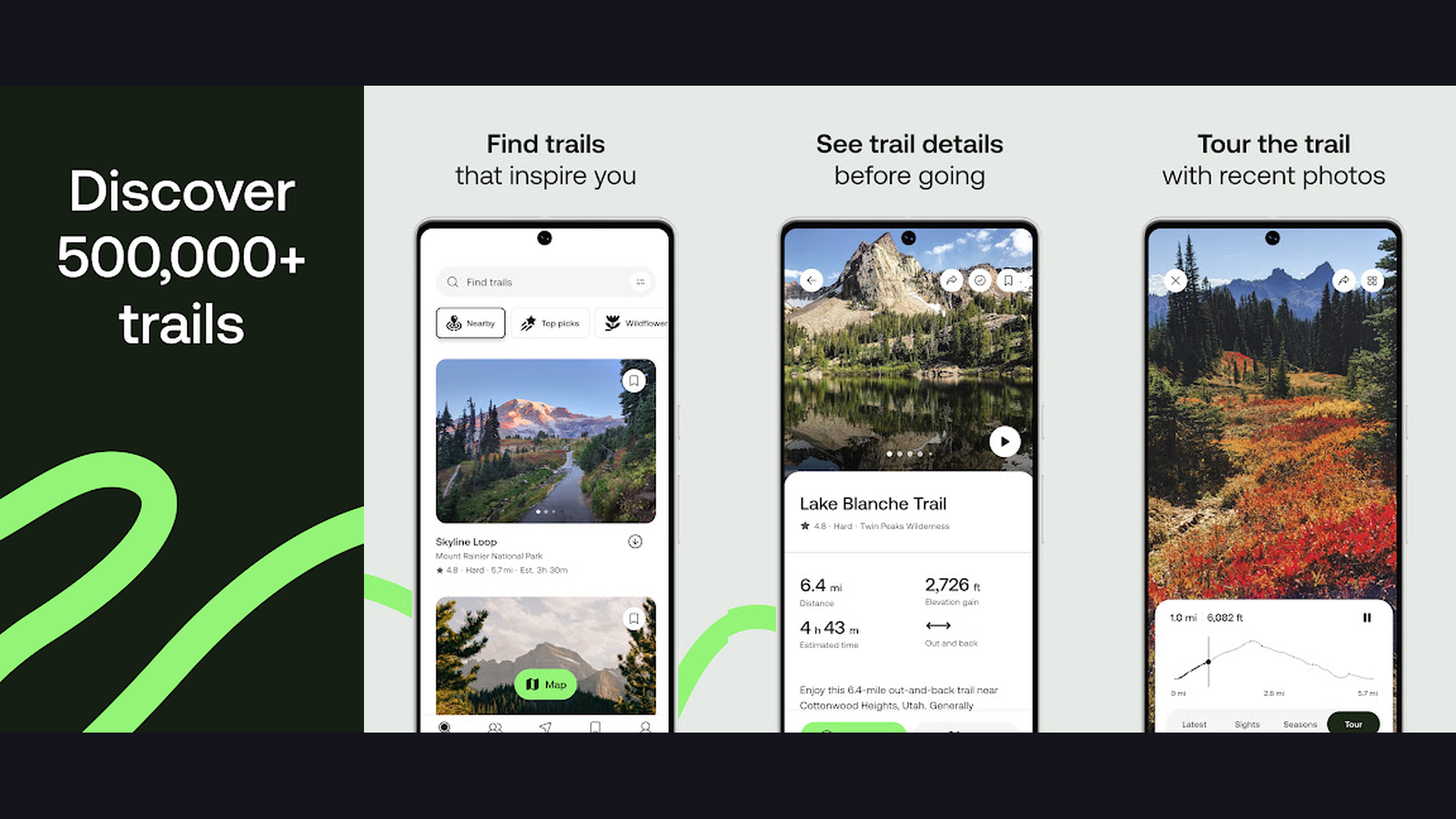
AllTrails is the highest-rated outdoor navigation app with the world largest trail database of over 400,000 curated trails, offering offline GPS maps, detailed trail reviews, elevation profiles, and real-time location tracking that helps van lifers discover incredible hiking adventures near every campsite. AllTrails transforms the outdoor exploration side of van life from guesswork to precision discovery. The trail database covers hiking, mountain biking, and running trails across 150+ countries with detailed information: distance, elevation gain, difficulty rating, trail type (loop, out-and-back, point-to-point), and estimated completion time. The community reviews include photos, conditions reports, and tips from fellow hikers. The offline maps download entire trail regions so you can navigate remote trails without cell service. The GPS tracking records your route in real-time with breadcrumb trails, ensuring you never get lost. The trail finder filters by distance from your current location, difficulty, dog-friendly, wheelchair accessibility, waterfall presence, and scenic views. The Lifeline safety feature shares your real-time location with emergency contacts. AllTrails is free with AllTrails+ from $35.99/year. For van lifers wanting to discover the best trails near every campsite, AllTrails is essential. Plan adventures with travel apps.


2. Harvest Hosts (Rating 4.9)
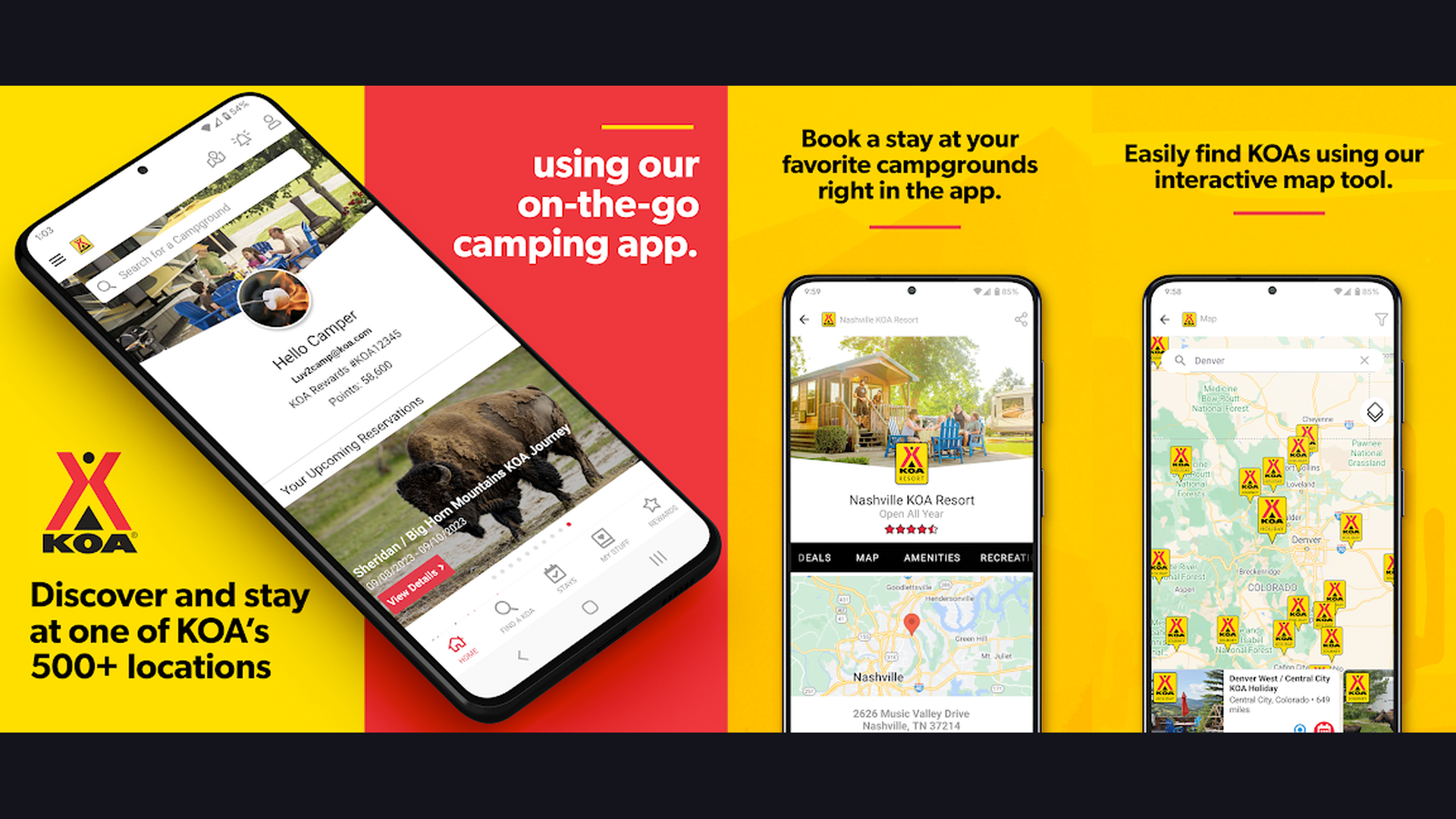
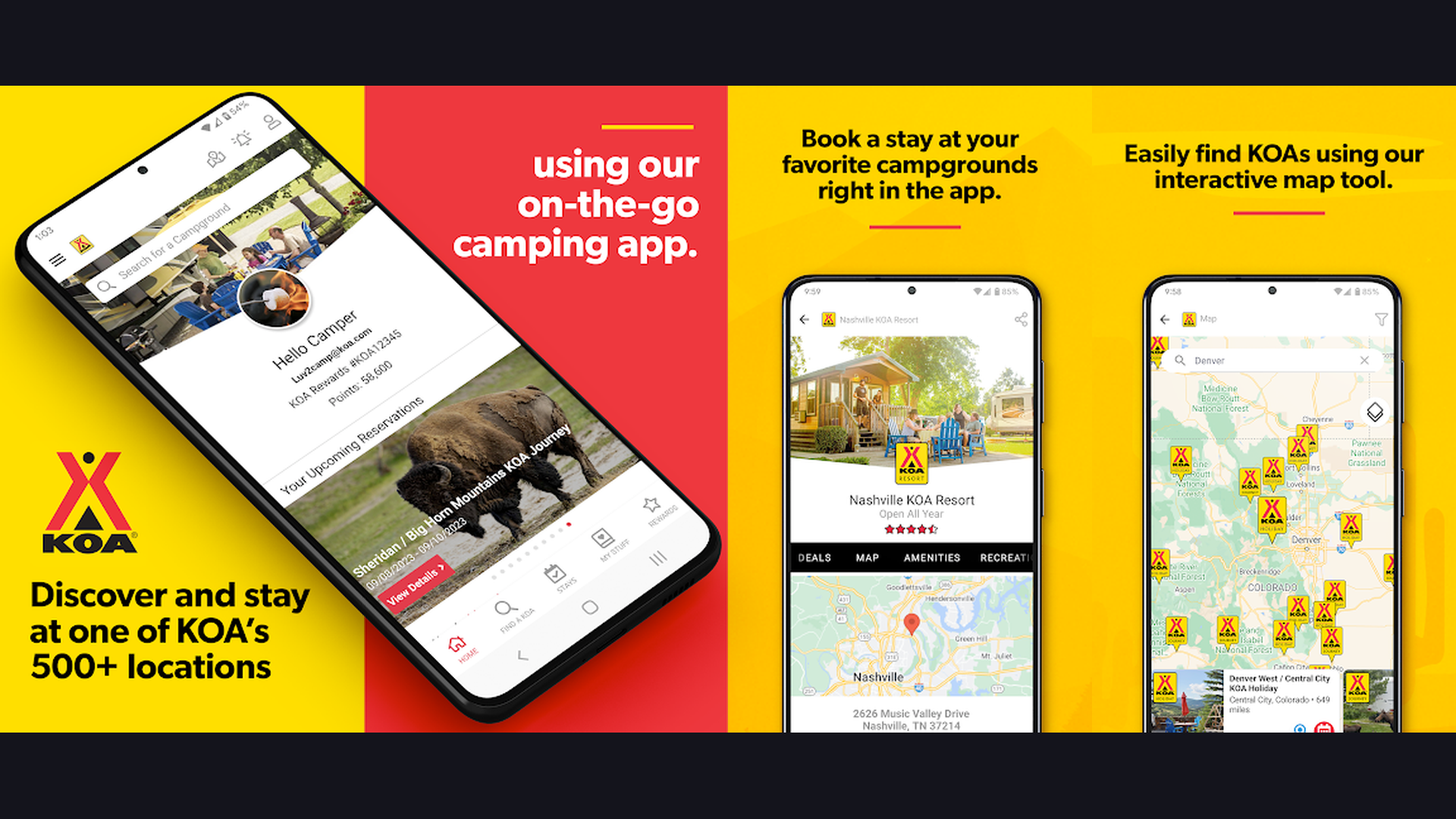
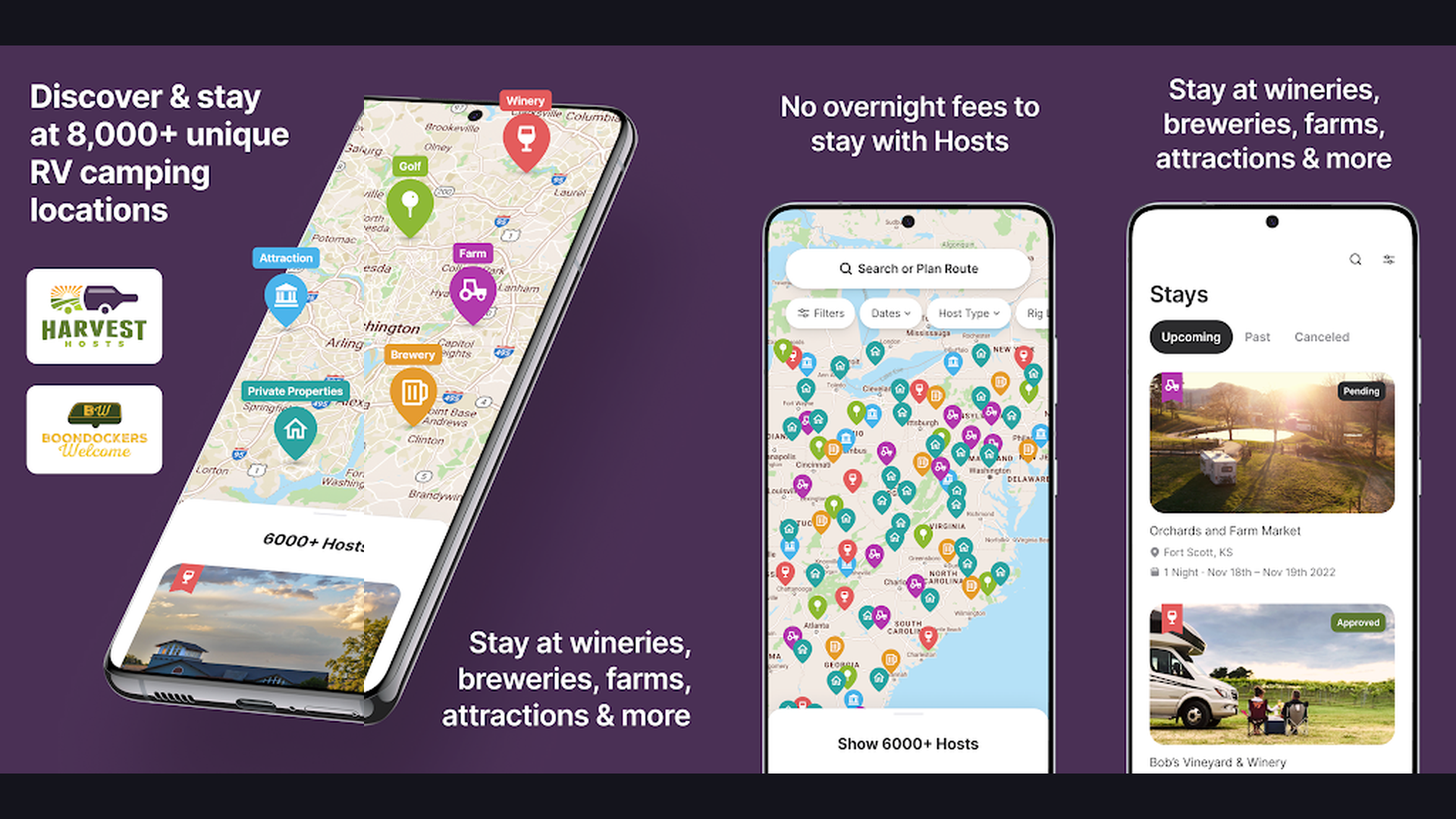
Harvest Hosts is the most unique camping membership for van lifers, providing access to over 5,600 stunning overnight locations at farms, wineries, breweries, museums, golf courses, and attractions across North America where you can park and stay for free with your membership. Harvest Hosts completely reimagines where you sleep during van life. Instead of standard campgrounds, you park at working farms where you can buy fresh eggs in the morning, wineries where you sample local vintages at sunset, craft breweries with outdoor seating by your van, museums with empty parking lots perfect for overnight stays, and golf courses with scenic views. Each host location includes photos, reviews, amenity details (water, electric hookups, dump stations), and check-in instructions. The membership includes the original Harvest Hosts network plus Boondockers Welcome (staying in the driveways and properties of fellow RVers and van lifers). The app shows host locations on a map with filtering by state, amenity type, and rating. The etiquette is simple: spend a minimum amount ($20 suggested) at each host business and leave the space cleaner than you found it. Harvest Hosts costs $99/year membership. For van lifers wanting unique, memorable overnight experiences beyond campgrounds, Harvest Hosts is magical. Discover destinations with campground finder apps.
3. Waze (Rating 4.8)
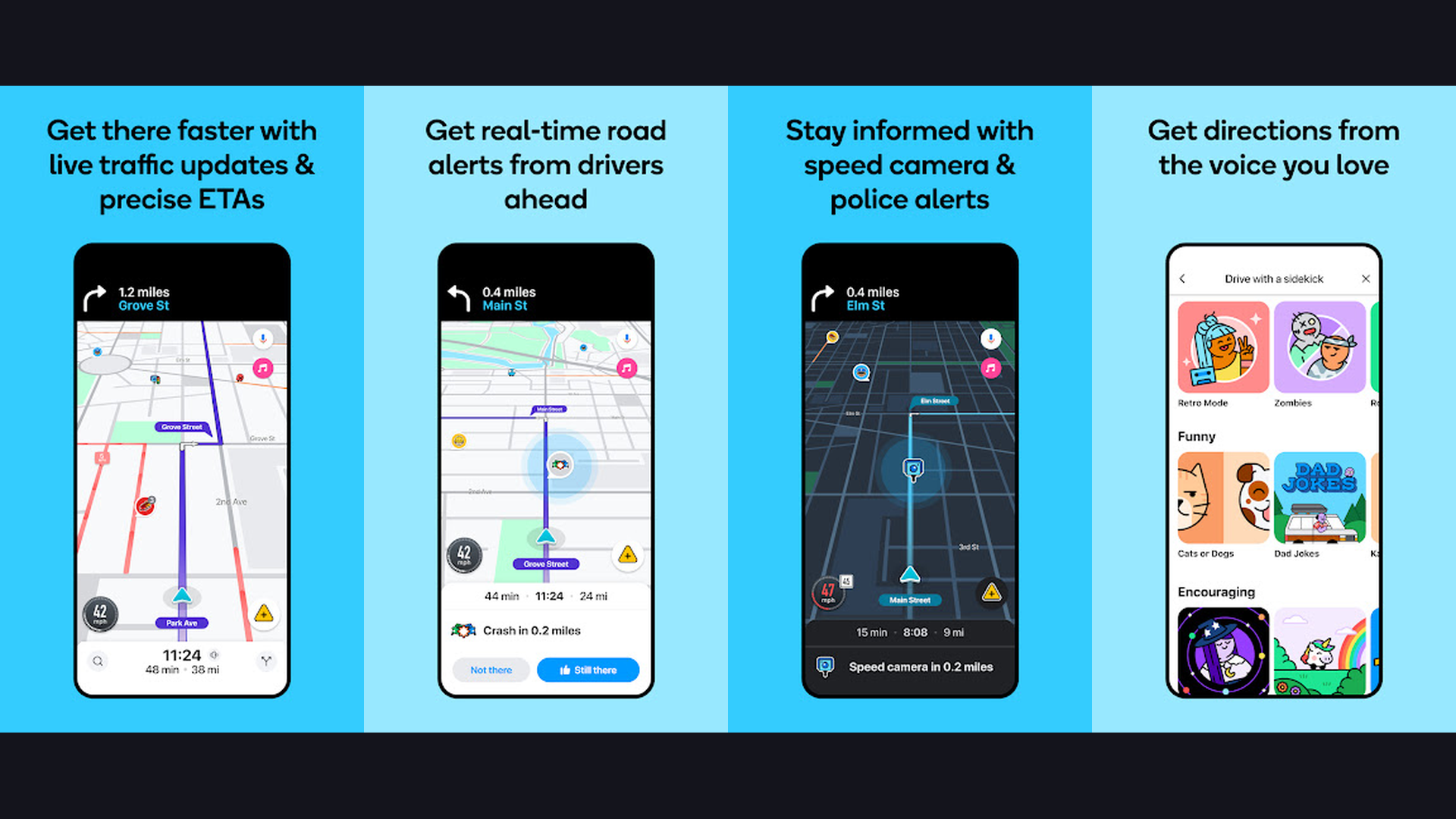
Waze is the best community-powered real-time navigation app, providing crowdsourced traffic alerts, police and speed camera warnings, accident reports, road hazard notifications, and the cheapest gas station finder that saves van lifers money and time on every drive. Waze excels in situations where other navigation apps fall short: real-time road conditions reported by millions of active drivers. The crowdsourced alerts warn you about accidents, road construction, objects on the road, potholes, and stopped vehicles ahead, giving you time to reroute. The police and speed trap reports help you maintain awareness of enforcement areas. The gas price comparison shows the cheapest fuel stations along your route, critical when filling a van tank that costs significantly more than a car. The route calculation automatically avoids traffic jams using real-time data. The planned drives feature lets you set departure time alerts based on current traffic predictions. The integration with Spotify and other music apps provides seamless audio during drives. Waze is completely free. For van lifers driving through cities, highways, and populated areas, Waze real-time intelligence is indispensable. Navigate with GPS tools.
4. Hipcamp (Rating 4.8)
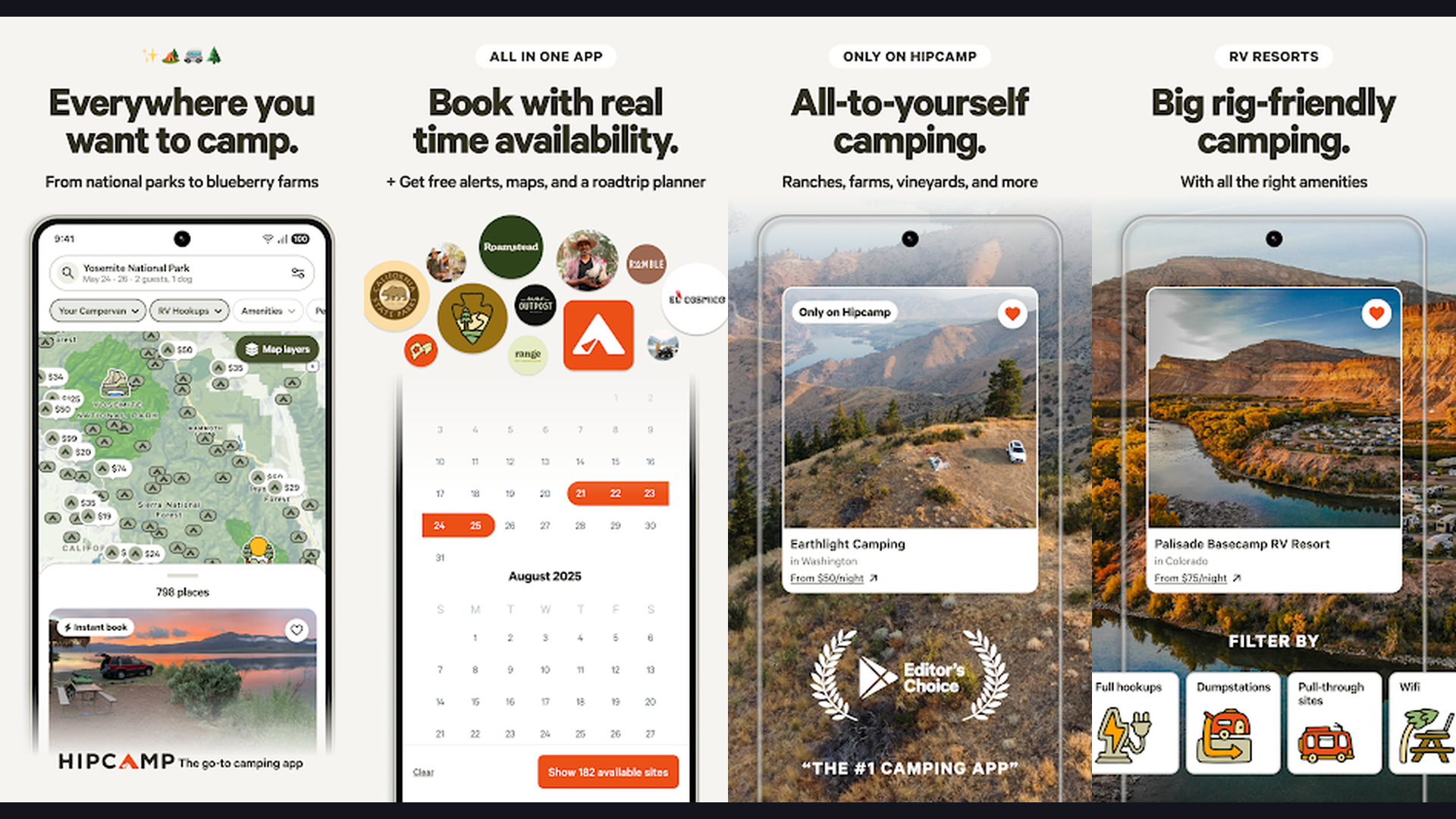
Hipcamp is the Airbnb of camping, connecting van lifers with unique private land camping experiences including farms, ranches, vineyards, forests, and lakefront properties that offer privacy and natural beauty far beyond what traditional campgrounds provide. Hipcamp has unlocked an entirely new category of camping by enabling private landowners to list their properties as campsites. This means van lifers can access stunning locations that were previously inaccessible: a meadow on a working cattle ranch, a clearing in a private redwood forest, a lakeside spot on a family farm, or a desert plateau with 360-degree mountain views. Each listing includes detailed descriptions, host reviews, photos, amenities (fire pit, picnic table, water access, toilet, shower), and clear driving directions. The booking system is straightforward with transparent pricing. The map search shows availability near your route. The filters cover vehicle type (van, RV, tent), amenities, price range, and host response time. Many hosts allow pets and offer add-on experiences like farm tours, horseback riding, or fishing. Hipcamp charges per-night booking fees (typically $20-80/night). For van lifers wanting private, beautiful sites away from crowded campgrounds, Hipcamp is transformative. Find unique stays with camping apps.
5. Campendium (Rating 4.8)
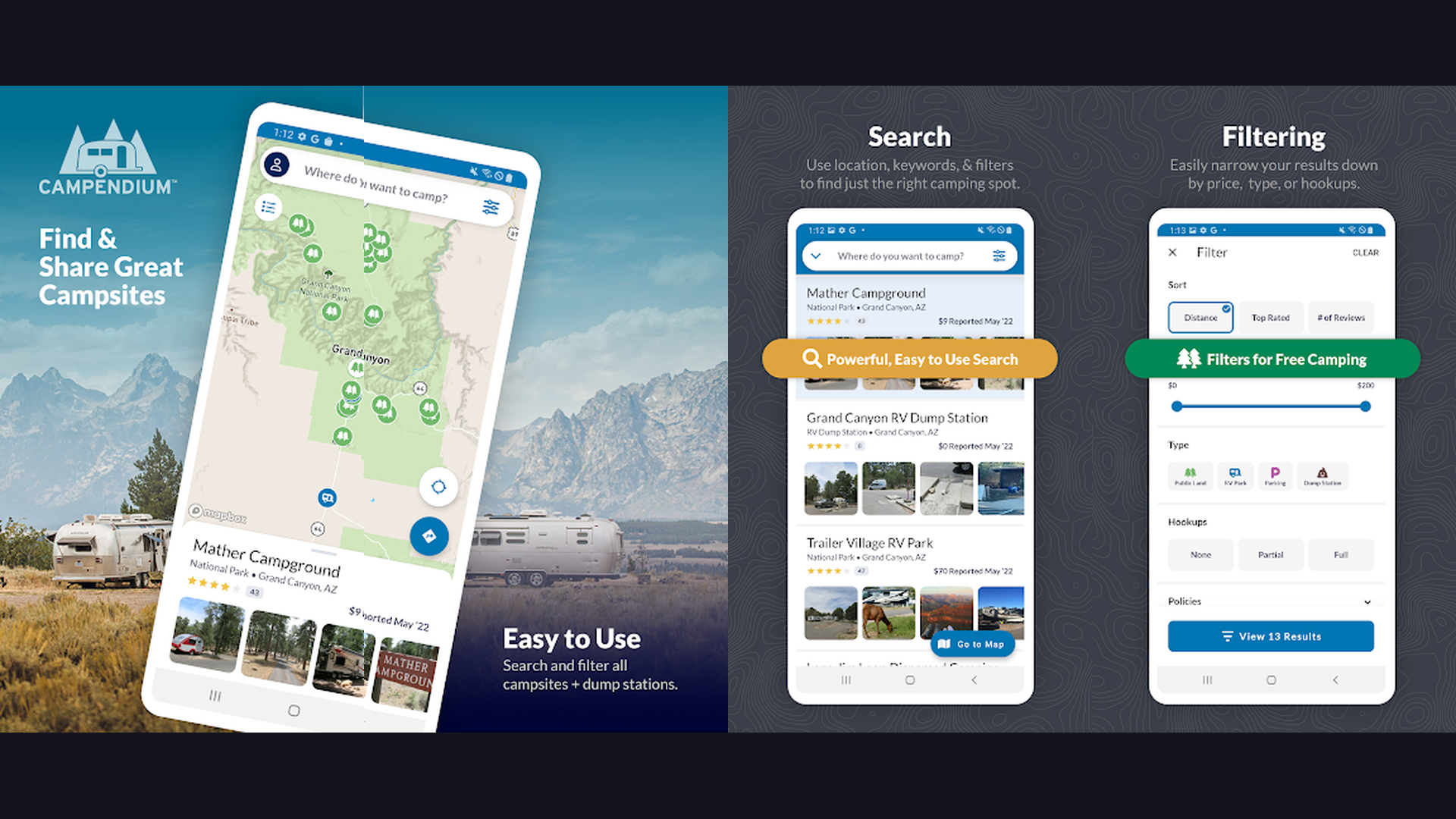
Campendium is the most comprehensive campground review platform for van lifers and RVers, offering detailed user reviews with cell signal reports, pricing breakdowns, photo galleries, and the ability to filter by free camping, boondocking, and established campgrounds across North America. Campendium fills a critical information gap by providing the most detailed campground reviews in the van life community. Each review includes not just ratings and descriptions but specific data that matters to mobile dwellers: cell signal strength by carrier (Verizon, AT&T, T-Mobile), exact pricing with seasonal variations, noise levels, site levelness, shade availability, and proximity to services. The cell signal reports are uniquely valuable for remote workers and digital nomads living in vans. The filtering system separates free camping (BLM, National Forest, dispersed), budget camping (under $20/night), and established campgrounds by amenity type. The map view shows all nearby options with color-coded markers by type and price. The offline functionality allows browsing saved campgrounds without cell service. The Pro membership unlocks offline maps, filters, and discount camping. Campendium is free with Pro from $29.99/year. For van lifers who need reliable cell signal and detailed site information, Campendium is the gold standard. Compare with other campground finders.
6. The Dyrt (Rating 4.8)
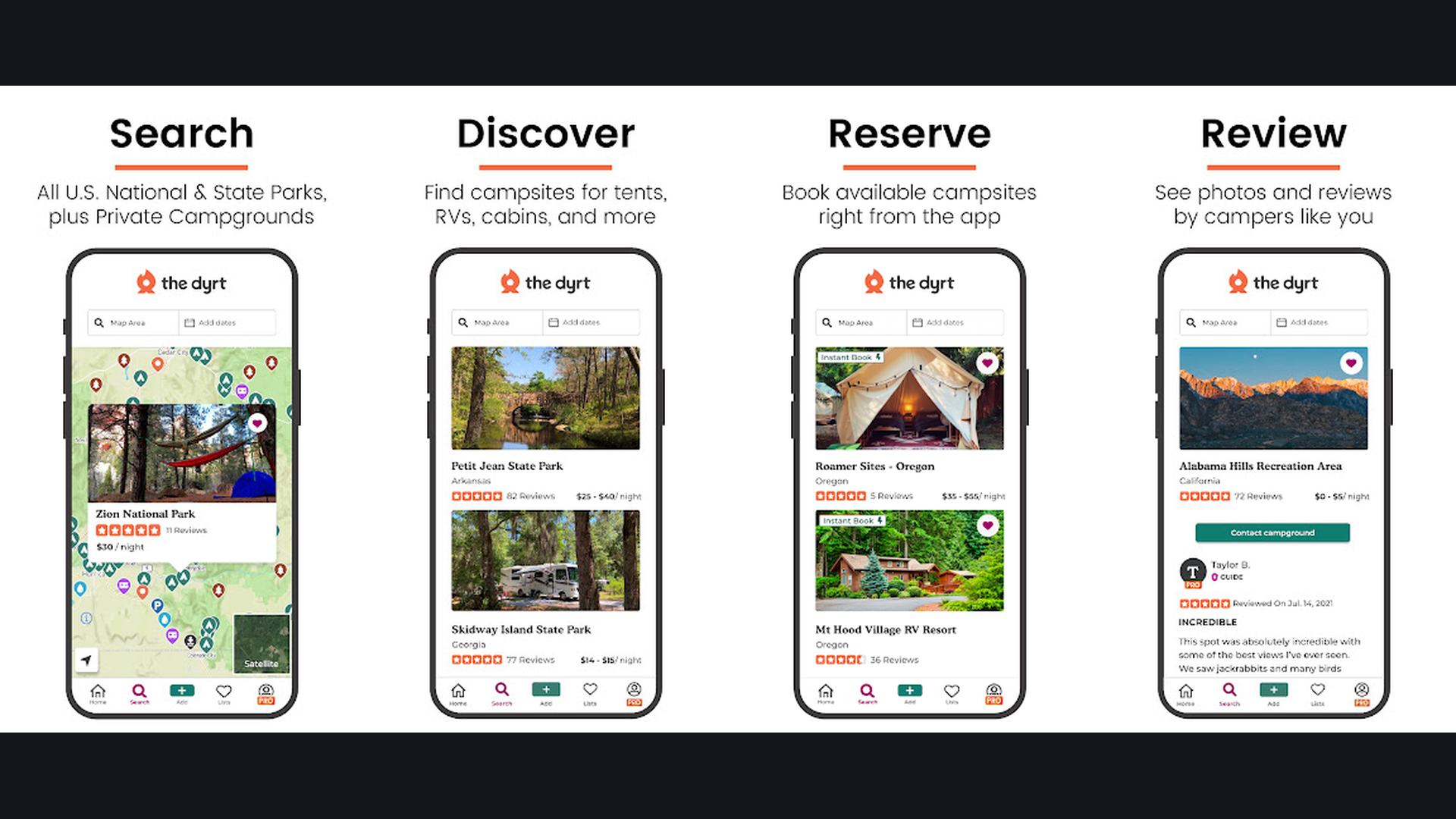
The Dyrt is the largest campground discovery platform with over 55,000 campgrounds and 5 million reviews, offering free and dispersed camping locations, BLM and National Forest land boundaries, offline maps, campground booking, and the most active camping community in North America. The Dyrt is the TripAdvisor of camping. The review database is enormous: over 5 million campground reviews with photos, tips, and detailed information from real campers. The map displays public land boundaries (Bureau of Land Management, US Forest Service, National Park Service) overlaid on the map so you can identify legal dispersed camping areas. The Pro membership ($35.99/year) unlocks downloadable offline maps with public land layers, exclusive campground discounts (up to 40% off at 1,000+ campgrounds), and free camping location data. The filter system covers campground type, amenities, activities, price range, and pet-friendliness. The alerts feature notifies you when campsites at popular locations become available. The Trip Planner creates multi-stop itineraries with campground suggestions along your route. The Dyrt is free with Pro from $35.99/year. For van lifers wanting the most extensive campground database with dispersed camping, The Dyrt delivers. Browse with entertainment apps at camp.
7. Gaia GPS (Rating 4.8)
Gaia GPS is the most advanced offline mapping and backcountry navigation app, offering dozens of specialized map layers (topographic, satellite, public land, slope angle, weather), route planning, waypoint management, and the most detailed terrain visualization available on any mobile device. Gaia GPS is the serious adventurer choice for navigation beyond paved roads. The map layer system is unmatched: stack and switch between USGS topographic maps, satellite imagery, public land ownership boundaries, slope angle shading (for avalanche assessment), weather radar overlay, and dozens of specialty maps. The offline maps download entire regions at full detail for areas with zero cell coverage. The route planning tools create custom routes on trails or off-trail with elevation profiles, distance calculations, and estimated travel times. The waypoint system marks and categorizes locations (water sources, camp spots, viewpoints, hazards) with GPS coordinates. The track recording logs your movements for post-trip analysis and sharing. The integration with GPS watches and bike computers enables vehicle-free navigation. Gaia GPS is free with Premium from $39.99/year. For van lifers who explore remote backcountry and off-road destinations, Gaia GPS is the ultimate tool. Navigate off-grid with battery management.

8. Google Maps (Rating 4.7)
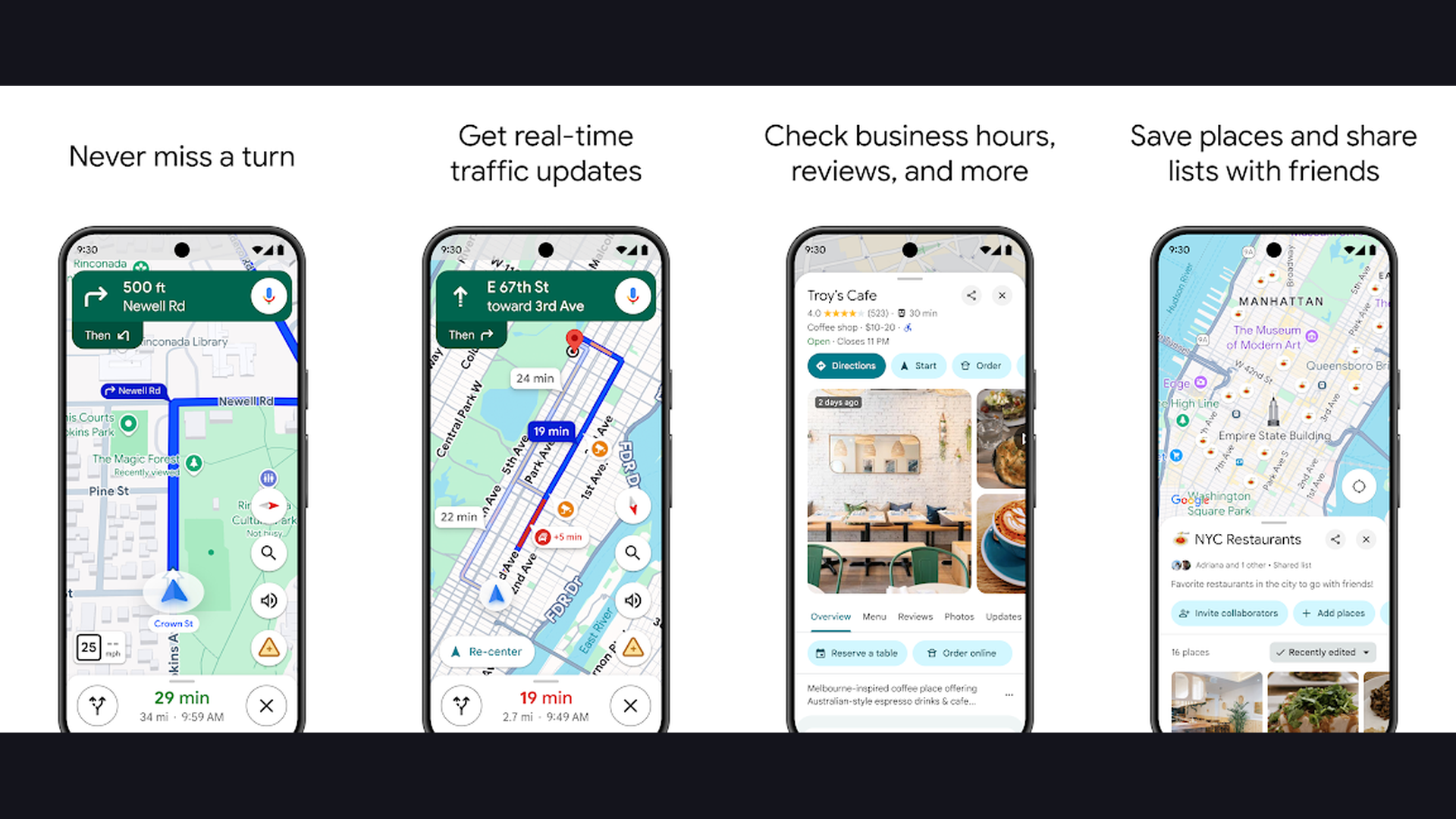
Google Maps is the foundational navigation app that every van lifer needs, offering the most accurate turn-by-turn directions, real-time traffic, offline map downloads, business information, Street View preview, and integration with virtually every other app and service. Google Maps is the baseline navigation layer for van life. While it lacks RV-specific routing, its general navigation is the most accurate and up-to-date available. The offline maps feature lets you download entire states or regions for navigation without cell service, critical in remote areas. The satellite view helps preview campsites, road conditions, and terrain before arriving. The Street View function lets you virtually drive roads before committing your van to potentially challenging routes. The business search finds nearby essential services: gas stations, grocery stores, laundromats, auto shops, and hardware stores. The timeline feature tracks everywhere you have traveled, creating an automatic travel journal. The sharing features let you send your real-time location to travel companions. The integration with Google Search provides opening hours, reviews, and contact information for every business. Google Maps is completely free. For van lifers needing reliable, always-accurate baseline navigation, Google Maps is non-negotiable. Find services with navigation apps.
9. AllStays Camp and RV (Rating 4.7)
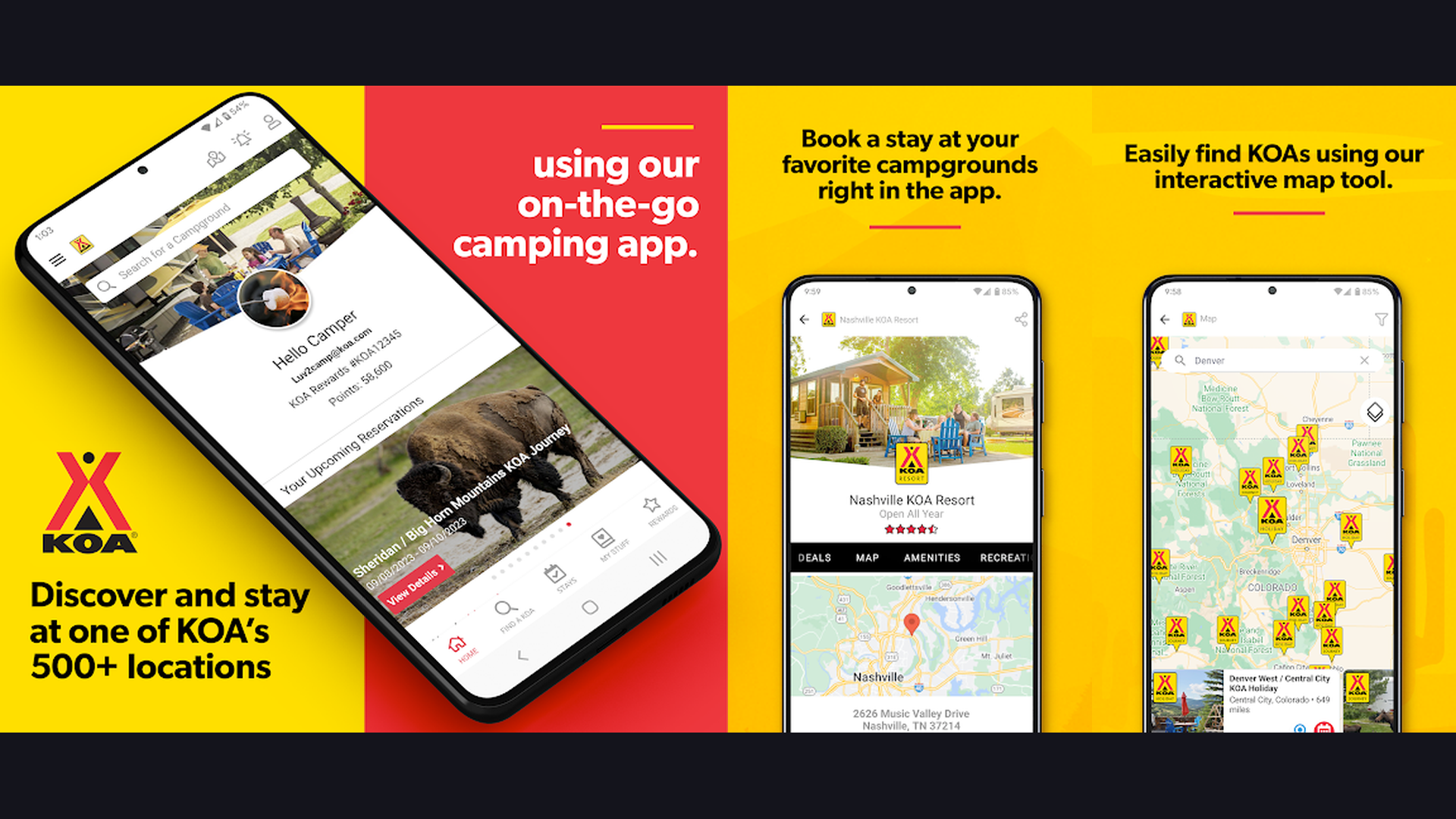
AllStays Camp and RV is the most comprehensive all-in-one campground and RV service locator, covering campgrounds, RV parks, truck stops, rest areas, Walmart overnight parking, dump stations, propane stations, low clearances, and weigh stations in a single searchable database. AllStays is the Swiss Army knife of van life apps. The database is staggeringly comprehensive: every campground, RV park, state park, national park, COE campground, county park, Walmart (with overnight parking policy noted), Cracker Barrel, Cabelas, truck stop, rest area, dump station, propane refill, potable water fill, and repair shop in North America. The low clearance database warns about bridges and tunnels that could damage tall vans and RVs. The filtering is incredibly granular: price range, hookups (electric, water, sewer), pet policy, pull-through sites, WiFi availability, pool, laundry, and dozens more criteria. The amenity details include user reviews and photos. The offline functionality works without internet after loading data. AllStays costs $9.99 (one-time purchase). For van lifers wanting one single app covering every service and campground type, AllStays is the most complete solution. Find overnight stops with camping apps.
10. Roadtrippers (Rating 4.6)
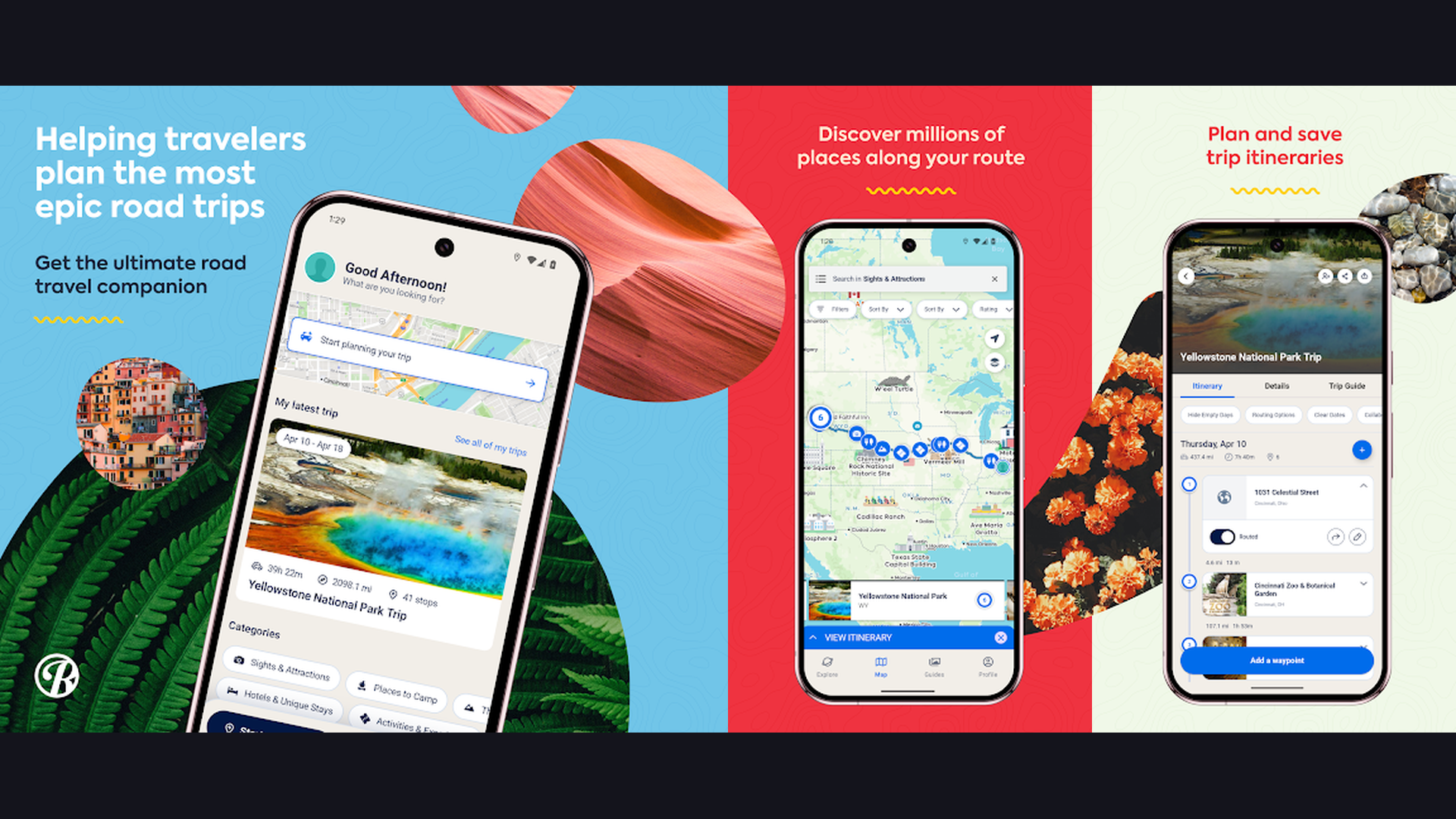
Roadtrippers is the best road trip planning app for van lifers, discovering quirky attractions, scenic viewpoints, natural wonders, local restaurants, and hidden gems along any route with collaborative trip planning, fuel cost estimation, and the most curated collection of interesting stops in North America. Roadtrippers transforms the journey itself into the destination. Enter your start and end points, and Roadtrippers reveals thousands of interesting stops along your route: world record holders, unusual museums, scenic overlooks, roadside attractions, local food landmarks, outdoor adventures, and cultural sites. The editorial team curates featured collections and themed road trips (best coastal drives, fall foliage routes, Route 66, national park loops). The trip planner calculates distances, driving times, and estimated fuel costs between stops. The collaborative planning features let travel partners add and vote on stops. The offline access saves planned trips for areas without service. The campground integration shows overnight options along your route. The community photos and reviews help you decide which stops are worth the detour. Roadtrippers is free with Premium from $49.99/year. For van lifers who believe the journey matters as much as the destination, Roadtrippers is the perfect planning companion. Plan trips with travel tools.
11. iOverlander (Rating 4.1)
iOverlander is the holy grail of van life apps for finding free camping, water fill-up stations, dump stations, propane refills, mechanics, and essential services through a massive crowdsourced database built by and for overlanders, van lifers, and nomadic travelers worldwide. iOverlander is the app that the van life community built for itself. Every data point is contributed by real travelers who have actually visited the location, creating the most trustworthy ground-truth database of free camping and services. Each listing includes GPS coordinates, detailed descriptions, date of last verification, photos, and community comments on current conditions. The categories cover wild camping and informal camping (free overnight parking), established campgrounds, water fill-up points (potable and non-potable), dump stations, propane and LPG refill, mechanics and repair shops, border crossings, and supply stores. The global coverage extends across North America, Central America, South America, Europe, Africa, Asia, and Oceania. The offline mode downloads regional data for areas without connectivity. The map view shows all nearby points with category-colored markers. iOverlander is completely free. For van lifers who prioritize free camping and need reliable service locations, iOverlander is the indispensable community resource. Pair with van life essentials.
12. Park4Night (Rating 4.0)
Park4Night is the premier European and global camping spot finder with over 350,000 community-contributed locations covering wild camping, parking areas, service points, and picnic spots, offering the most extensive free overnight database outside North America. Park4Night originated in Europe and has become the go-to app for van lifers traveling the continent, with an increasingly strong North American presence. The location categories are uniquely detailed: free parking lots, tolerated wild camping areas, official motorhome stopovers (aires in France, stellplatz in Germany), private campsites, farms accepting motorhomes, nature spots, scenic viewpoints, and service areas for water and waste. Each listing includes community photos, star ratings, GPS coordinates, and detailed comments about noise levels, safety, surface type, and accessibility. The offline mode downloads regions for travel without internet. The premium features include an ad-free experience, advanced filters, and trip planning. The European coverage is particularly strong, with hundreds of thousands of spots across France, Spain, Portugal, Italy, Germany, and Scandinavia. Park4Night is free with Premium from $9.99/year. For van lifers who travel or plan to travel in Europe, Park4Night is absolutely essential. Explore destinations with travel planning apps.
Which Apps Should You Use Together?
No single app covers every van life need. Here are recommended app combinations based on your travel style:
The Essential Van Life Stack (3 Apps)
- Google Maps - Primary turn-by-turn navigation and service finding
- iOverlander - Free camping, water, dump stations, and services
- AllTrails - Trail discovery near every campsite
The Budget Van Lifer (Free Camping Focus)
- iOverlander - Community-sourced free camping worldwide
- The Dyrt Pro - BLM and National Forest land boundaries
- Park4Night - Best for European free camping
- Campendium - Cell signal reports for remote workers
The Adventure Nomad (Backcountry Explorer)
- Gaia GPS - Detailed offline topo maps and route planning
- AllTrails - Trail discovery and GPS tracking
- iOverlander - Wild camping near adventure destinations
The Comfort Traveler (Unique Experiences)
- Harvest Hosts - Wineries, farms, and unique overnight stays
- Hipcamp - Private land camping with amenities
- Roadtrippers - Discover attractions along your route
The Full-Time Road Tripper (Maximum Coverage)
- AllStays Camp and RV - Everything in one app
- Waze - Real-time traffic and cheapest gas
- Roadtrippers - Trip planning with interesting stops
- Campendium - Detailed reviews with cell signal data
Van Life Navigation Tips
- Download Offline Maps Before Leaving Cell Coverage - This is the single most critical habit for van life navigation. Before driving into remote areas (National Forests, BLM land, mountain passes, desert regions), download offline maps in Google Maps, Gaia GPS, and The Dyrt Pro. A general rule: download a region three times larger than you think you need, because plans change and detours happen. Google Maps allows downloading entire states. Gaia GPS downloads map layers at various detail levels. The Dyrt Pro downloads campground data by region. Do this while connected to WiFi at a library, coffee shop, or campground with strong signal. Running out of map coverage in a remote area with no cell service is both dangerous and stressful. Manage data with phone optimization.
- Cross-Reference Multiple Apps Before Committing to a Campsite - Never rely on a single app for campsite selection. Check iOverlander for recent visitor comments about current conditions (road quality, availability, noise). Check Campendium for cell signal reports by carrier. Check Google Maps satellite view to preview the actual terrain and access road. Check The Dyrt or AllStays for nearby services (water, dump, propane). A campsite that looked perfect on one app might have a washed-out access road (visible on satellite), no cell signal (Campendium report), or a recent closure (iOverlander comment). This 5-minute cross-reference prevents hours of frustration. Stay organized with planning apps.
- Use Waze in Cities and Google Maps in Rural Areas - These two free navigation apps complement each other perfectly. Waze excels in urban and suburban environments with its crowdsourced real-time traffic, accident alerts, and speed trap warnings. Google Maps excels in rural areas with more accurate road data, better offline maps, and satellite imagery for scouting remote roads. Switch between them based on your environment. Use Waze when approaching and navigating through cities, and switch to Google Maps when heading into countryside and remote areas. Both are free, so there is no reason not to have both installed.
- Always Check Road Conditions and Vehicle Clearance Before Driving - Van life vehicles are taller, longer, and heavier than cars, and roads that are fine for sedans can be dangerous or impassable for vans. Check the AllStays low clearance database before driving under bridges and through tunnels. Read recent iOverlander comments about road conditions to access remote campsites. Use Google Maps Street View to preview narrow mountain roads, tight turns, and dead ends before committing. If a road is listed as "4WD recommended" or "high clearance required" in any app, it means it, especially in wet conditions. Getting stuck or damaging your van in a remote location is expensive, dangerous, and spoils the adventure.
- Arrive at Free Camping Spots Before Dark - When heading to boondocking or dispersed camping locations found on iOverlander, The Dyrt, or Park4Night, always plan to arrive at least one hour before sunset. Free camping spots are often on unpaved roads with no lighting, unmarked turnoffs, and limited turnaround space. Arriving in daylight lets you evaluate the site for levelness, safety, ground conditions, and proximity to other campers. It also lets you set up camp comfortably and identify any issues (broken glass, steep grades, no-camping signs) before committing. If a spot does not feel right, you still have daylight to find an alternative. Night arrivals at unfamiliar free camping spots are the number one source of van life stress.
- Save Fuel by Finding the Cheapest Gas Along Your Route - Fuel is typically the largest variable expense in van life. Use Waze or GasBuddy to compare gas prices along your route before stopping. Prices can vary by $0.50-$1.00 per gallon between stations just miles apart, especially near highways (more expensive) versus slightly off-route (cheaper). Fill up in town before heading into remote areas where gas stations are scarce and prices are inflated. Consider fuel costs when planning daily route distances. Many van lifers budget $200-$400/month on fuel, and smart fueling habits can save $50-$100/month. Track spending with lifestyle apps.
- Use Campendium Cell Signal Reports for Remote Work - If you work remotely from your van (digital nomad lifestyle), cell signal is as important as scenery when choosing campsites. Campendium unique cell signal reports show Verizon, AT&T, and T-Mobile signal strength at specific campgrounds, reported by other users. Filter campgrounds by "good cell signal" before traveling. Gaia GPS topographic maps help you identify high-elevation campsites that typically have better reception. Consider a cell signal booster (WeBoost, SureCall) paired with directional antenna for marginal signal areas. Plan your work days in areas with confirmed good signal and your adventure days in off-grid areas. Work remotely with self-hosted tools.
- Contribute Back to Community Apps - Apps like iOverlander, Campendium, The Dyrt, and Park4Night are only as good as their community contributions. After staying at a campsite, take 5 minutes to leave a review with current conditions, updated photos, and relevant details (road condition, noise level, safety, amenities). Report closed or inaccessible locations. Note water availability and cell signal strength. Your contribution helps the thousands of van lifers who will search for that spot after you. The van life community thrives on mutual support, and maintaining accurate campsite data is one of the most impactful ways to give back. Share experiences with communication tools.
Frequently Asked Questions
What is the best free camping app for van life?
iOverlander is the best free app for finding free camping locations, water fill-ups, dump stations, and services worldwide. It is entirely crowdsourced by the van life and overlanding community with detailed, verified reports. For free camping on U.S. public lands specifically, The Dyrt Pro shows BLM and National Forest boundaries where dispersed camping is legal. Park4Night is the best free camping app for European van life. All three apps are free to download and use.
Do I need offline maps for van life?
Yes, absolutely. Cell coverage in the United States drops to zero in vast portions of National Forests, BLM land, mountain regions, and desert areas where van lifers commonly travel and camp. Without offline maps, you cannot navigate, find campsites, or call for help. Google Maps, Gaia GPS, The Dyrt Pro, and Campendium Pro all offer offline map downloads. Download maps before entering remote areas while you have WiFi or strong cell signal.
Which app shows low bridges and clearance restrictions?
AllStays Camp and RV includes a comprehensive low clearance database covering bridges, tunnels, and overpasses across North America. This is critical for tall vans and RVs. Google Maps does not warn about clearance restrictions. Also check comments on iOverlander and Campendium for user-reported access issues at specific campground access roads. Always measure your van exact height (including rooftop accessories) and check clearance data before driving unfamiliar roads.
What is the best app for finding dump stations?
iOverlander has the most comprehensive crowdsourced dump station database worldwide. AllStays Camp and RV provides a dedicated dump station category across North America with pricing and availability details. Campendium lists dump stations within campground reviews. For RV-specific service needs, The Dyrt Pro also marks service locations. Most apps let you filter specifically for dump stations, water fill-up points, and propane refill locations.
Is Harvest Hosts worth the membership fee?
For van lifers who travel regularly, Harvest Hosts ($99/year) pays for itself within 2-3 stays compared to campground fees. The unique overnight locations (wineries, farms, breweries, museums) provide experiences that money cannot buy at standard campgrounds. The membership includes both Harvest Hosts and Boondockers Welcome networks, totaling over 5,600 locations. If you travel full-time or take multiple road trips per year, the membership is an excellent value. If you exclusively boondock on free public land, the fee may not be worth it.
Can I rely on Google Maps alone for van life?
Google Maps is essential but insufficient alone for van life. It excels at turn-by-turn navigation, finding businesses, and offline maps. However, it does not show free camping locations, dump stations, water fill-ups, low clearance warnings, campground reviews, cell signal reports, or public land boundaries. Use Google Maps as your navigation foundation and supplement with specialty apps: iOverlander for services and free camping, AllTrails for trails, Campendium for campground reviews, and either AllStays or The Dyrt for comprehensive coverage.
Final Thoughts
Van life navigation in 2026 is about building the right app toolkit. Google Maps and Waze handle driving navigation. iOverlander and Park4Night find free camping and essential services. AllTrails and Gaia GPS unlock outdoor adventures. The Dyrt and Campendium provide comprehensive campground intelligence. Harvest Hosts and Hipcamp deliver unique overnight experiences. AllStays covers everything in one comprehensive database. Roadtrippers makes the journey itself the adventure. The combination you choose depends on your travel style, but with these 12 apps, the open road becomes remarkably well-mapped. For more road life recommendations, explore our guides on campground finder apps, minimalist van life essentials, self-hosted apps, dating apps, and creative apps.