
Finding safe, age-appropriate dating and social apps for teens in 2026 requires careful evaluation of safety features, age verification methods, moderation quality, and privacy protections. While most mainstream dating apps require users to be 18 or older, several platforms are specifically designed for teens, and older teens (18+) have access to well-regulated dating apps with robust safety features.
This guide reviews 12 of the best dating and social apps for teens, including teen-specific social platforms, mainstream dating apps for 18+ with strong safety, LGBTQ+ safe spaces, and essential parental monitoring tools. We emphasize safety above all: every app is evaluated on age verification strength, content moderation, privacy controls, and reporting mechanisms. For parents, we include two leading parental control apps that should be installed alongside any teen social app. For more app recommendations, check our guides on health and fitness apps, digital planners, and language learning apps.
Important Safety Notice for Teens and Parents
Online dating and social apps carry real risks including catfishing, predatory behavior, cyberbullying, and privacy violations. Teens under 18 should only use apps specifically designed for their age group and should never lie about their age to access adult dating apps. Parents should maintain open communication about online interactions, install monitoring tools like Bark or Qustodio, and establish clear guidelines about app usage. Never share personal information (home address, school name, daily schedule) with online contacts, and always meet new people in public places with friends or family nearby.
Table of Contents
- Wink (Rating 4.3)
- Bark (Rating 4.2)
- Hoop (Rating 4.0)
- Yubo (Rating 3.9)
- Bumble (Rating 3.8)
- Tinder (Rating 3.8)
- Wizz (Rating 3.7)
- Spotafriend (Rating 3.7)
- Hinge (Rating 3.4)
- TrevorSpace (Rating 3.3)
- LMK (Rating 3.2)
- Qustodio (Rating 3.0)
- Which App Is Right for Your Age?
- Essential Safety Tips for Teen Dating Apps
- Frequently Asked Questions
1. Wink (Rating 4.3)
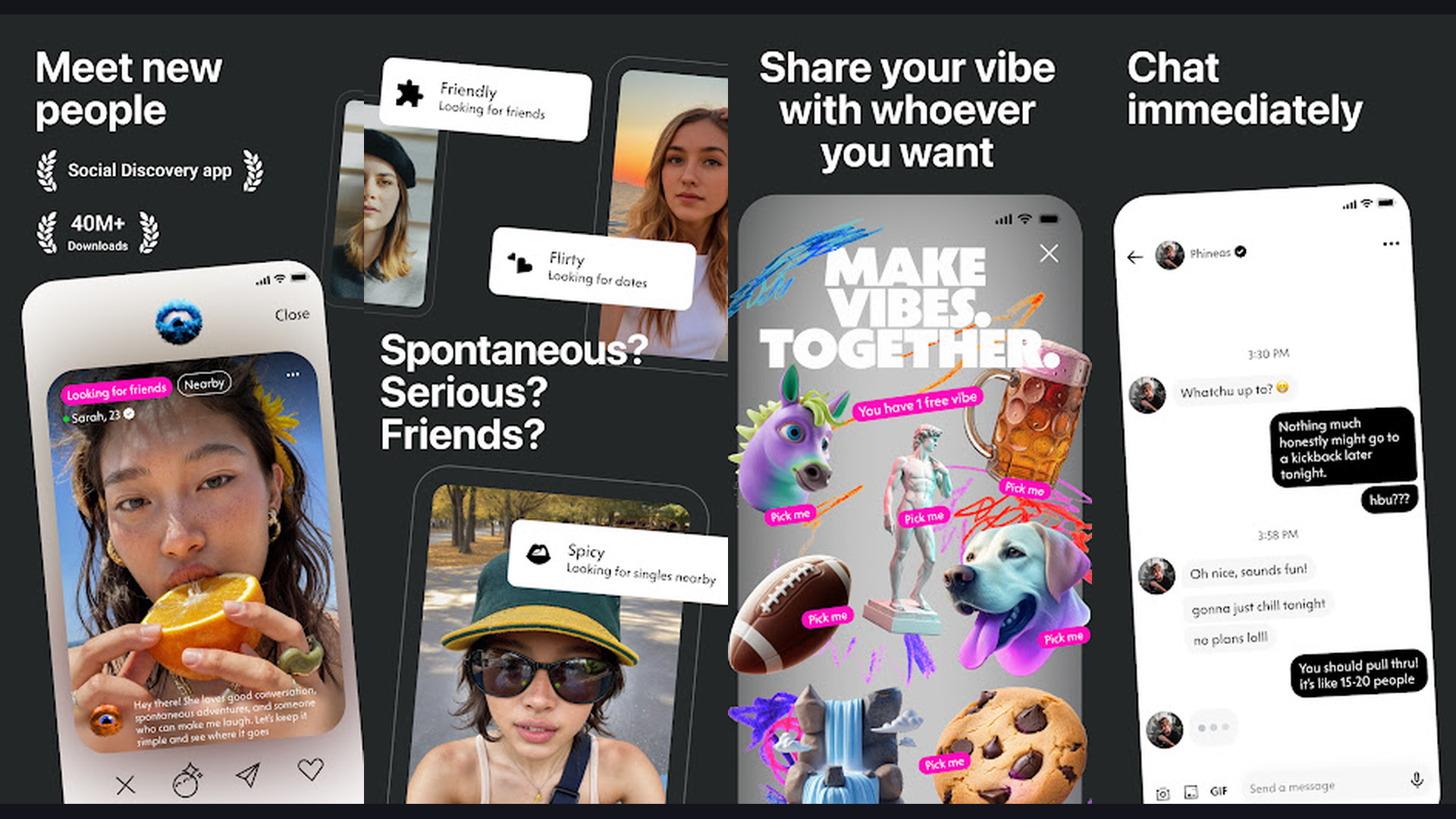
Wink is a social discovery app designed for teens and young adults that uses a swipe-based matching system to connect users with new friends and potential dates nearby. The swipe interface is familiar to anyone who has used Tinder or Bumble: swipe right to connect, swipe left to pass. Wink stands out with its Snapchat integration, making it easy to move conversations to Snapchat once matched. The app requires age verification during signup and separates users into age-appropriate groups. Profile customization includes photos, a bio, interests, and music preferences. The Discover feature shows nearby users based on your location and age. Wink includes text chat, photo sharing, and voice messages within the app. The reporting and blocking system allows users to flag inappropriate behavior. Wink is free with optional in-app purchases for premium features like unlimited swipes. For teens who want a swipe-based social and dating experience with Snapchat integration, Wink offers a familiar interface with age-based filtering.


2. Bark (Rating 4.2)
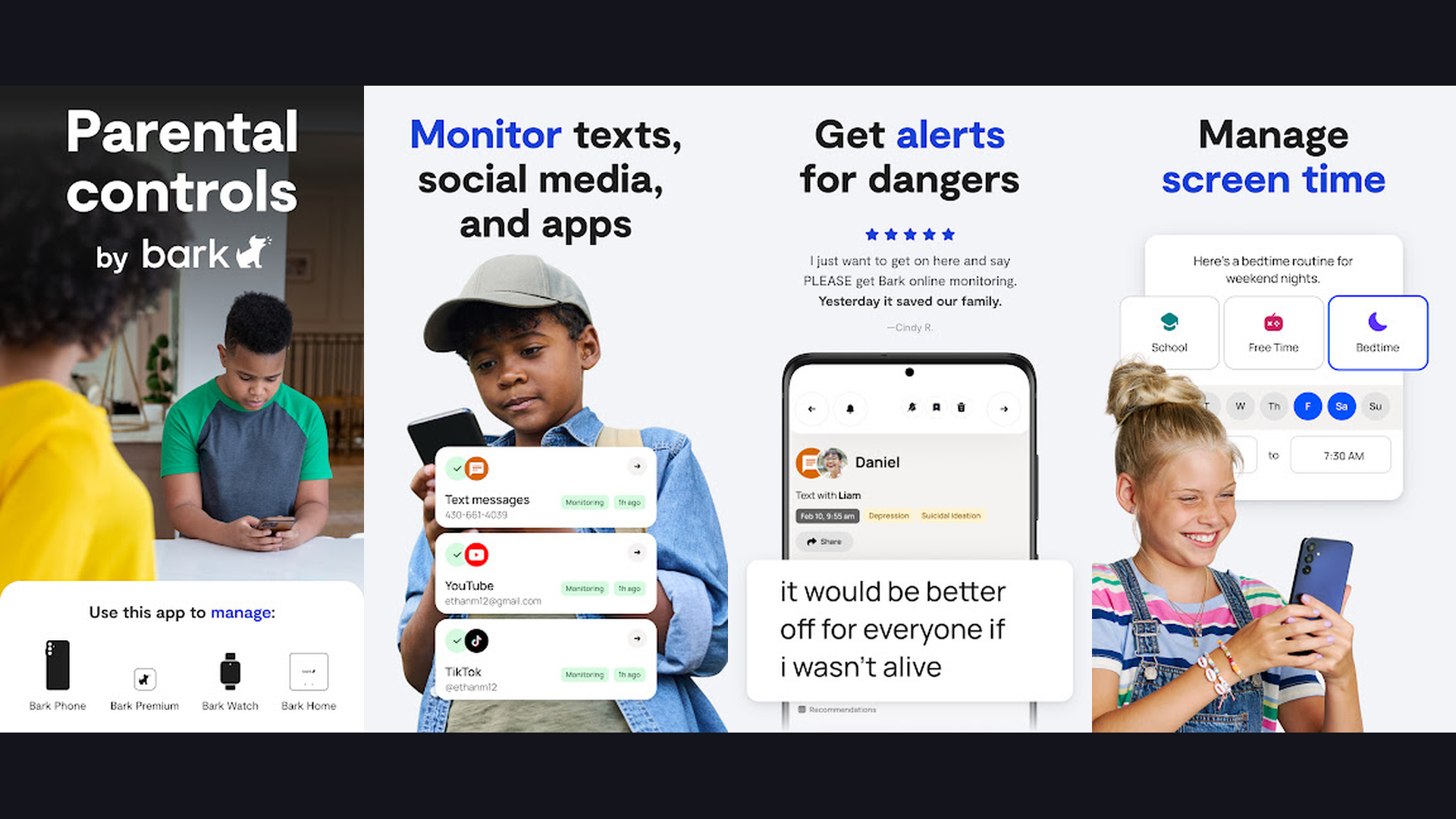
Bark is a leading AI-powered parental monitoring app that scans over 30 social media platforms, text messages, and browsers for signs of cyberbullying, online predators, and concerning content. While Bark is not a dating app, it is the most important tool parents should have when their teens start using social and dating apps. Bark uses artificial intelligence to analyze messages and activity across platforms including Snapchat, Instagram, TikTok, Discord, and more, alerting parents only when potential issues are detected. This approach respects teen privacy while still catching dangerous situations like sexting, predatory behavior, drug references, and self-harm indicators. Bark does not show parents every message; it only flags concerning content. The dashboard provides clear, actionable alerts with recommended responses. Screen time management and web filtering features round out the safety tools. Bark is $14/month or $99/year. For parents of teens using dating apps, Bark is the essential safety companion that monitors without being invasive. Pair it with planning tools for family screen time schedules.
3. Hoop (Rating 4.0)
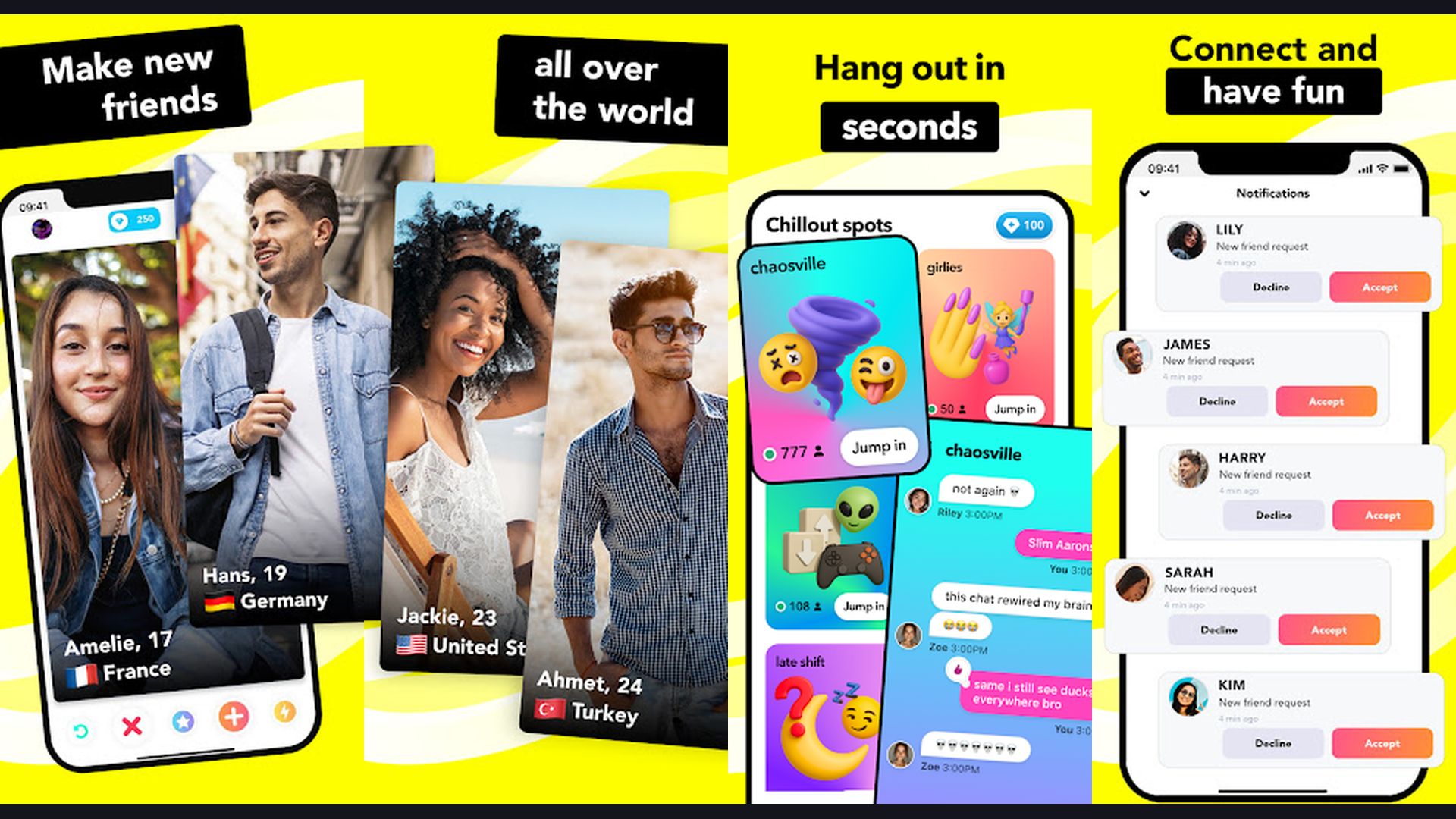
Hoop is a social discovery app that connects directly with Snapchat, helping teens find new friends and chat partners through a card-swipe interface. The concept is straightforward: create a profile linked to your Snapchat account, browse through profile cards of other users, and tap to add interesting people on Snapchat. Hoop uses a diamond currency system where you earn diamonds by completing daily tasks, inviting friends, and watching videos, then spend diamonds to reveal and add new Snapchat contacts. The age verification process requires users to be at least 13 years old. Profile cards show photos, age, location (city level, not precise), and a short bio. Hoop is specifically designed to expand your Snapchat network, making it primarily a friend-finding tool rather than a traditional dating app. The Snapchat integration means conversations happen on a familiar platform with existing safety features. Hoop is free with in-app purchases for additional diamonds. For teens who want to grow their Snapchat friend network and meet new people through a visual card interface, Hoop bridges the gap between discovery and conversation.
4. Yubo (Rating 3.9)
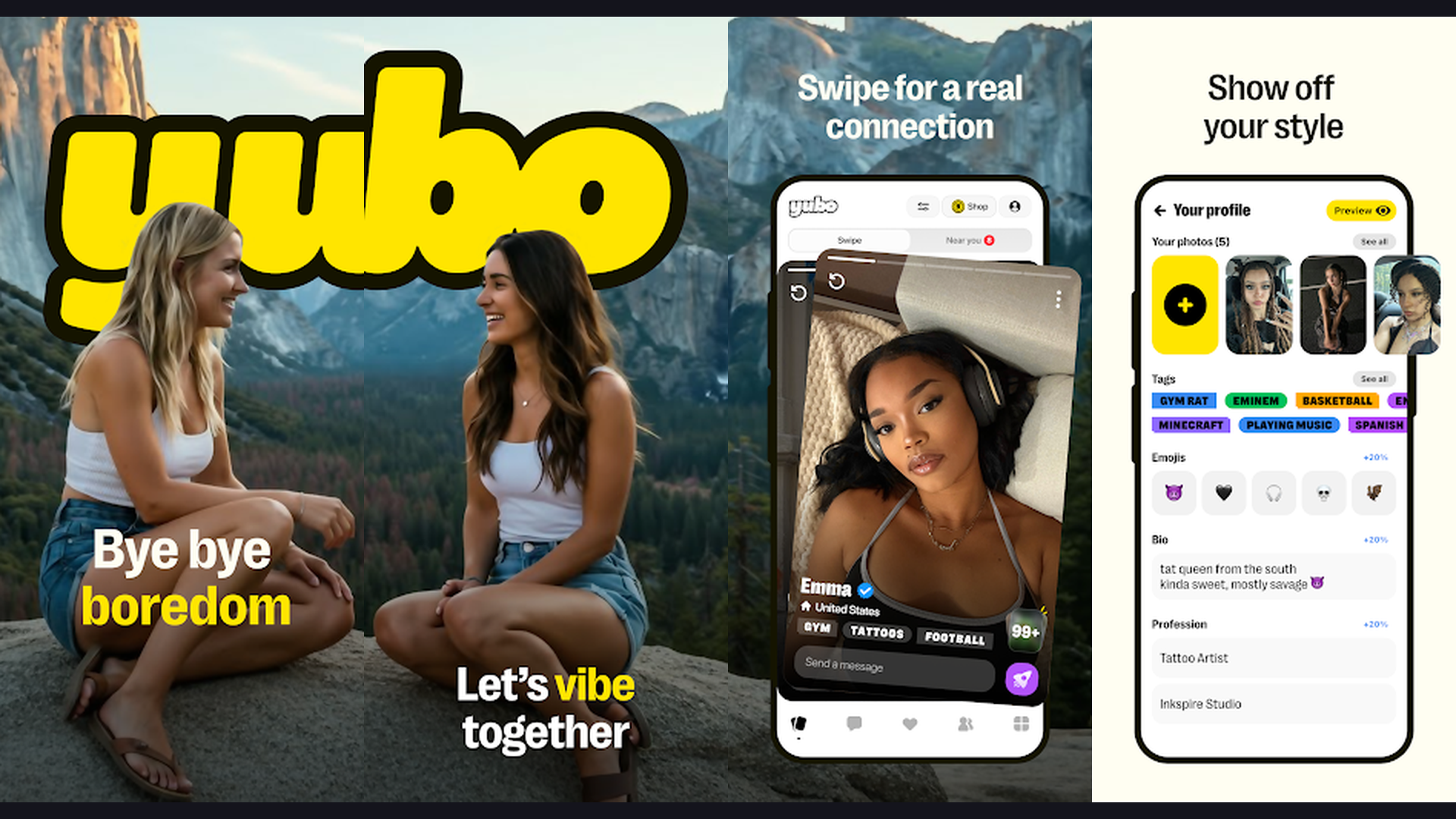
Yubo is a social live-streaming app designed for teens that emphasizes group interactions and live video rather than traditional one-on-one dating. Unlike dating apps that focus on private messaging between two people, Yubo encourages group live streams where multiple users can join, chat, and interact in a public setting. This group-focused approach creates a safer environment because interactions happen in view of other users rather than in private. Yubo has implemented robust safety features including AI-powered age verification (users take a selfie that is analyzed by age estimation technology), real-time content moderation during live streams, and a dedicated safety team. Users are separated into age groups: 13-17 and 18+ with no cross-group interaction. The swipe feature lets you find and add new friends, but the emphasis is on live streaming and group socialization. Yubo partners with organizations like the National Center for Missing and Exploited Children. The Muted Words feature lets users filter out specific words from their experience. Yubo is free with optional Yubo Power Pack ($10/week). For teens who prefer group social interactions and live streaming over private messaging, Yubo offers the safest teen-focused social platform available. Explore wellness apps for healthy social habits.
5. Bumble (Rating 3.8)
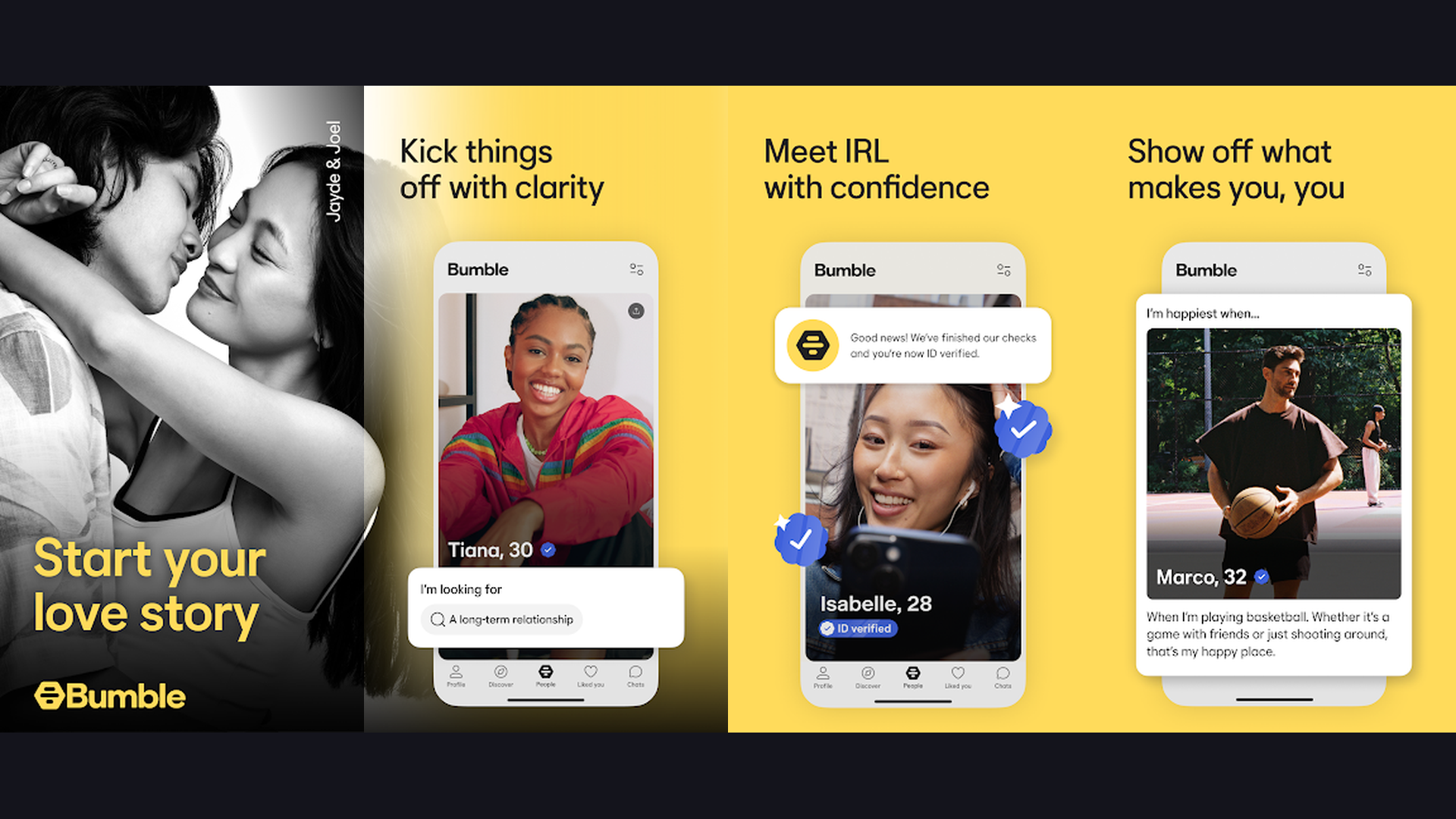
Bumble is a dating app where women make the first move, available for users 18 and older, with robust verification and safety features that make it one of the safest mainstream dating platforms for older teens entering adulthood. Bumble requires users to be at least 18 years old and enforces this through photo verification. The women-first messaging rule means that in heterosexual matches, only the woman can send the first message within 24 hours, reducing unwanted messages and harassment. Bumble offers three modes: Bumble Date (romantic connections), Bumble BFF (friendships), and Bumble Bizz (professional networking). The photo verification badge confirms users are who they claim to be. The video call feature lets you have a video date before meeting in person. Bumble blocks screenshots in conversations and has a dedicated safety team. The incognito mode lets you control who sees your profile. Bumble is free with Bumble Premium ($39.99/month). For 18-year-olds entering the dating world, Bumble offers the safest mainstream dating experience with women-first messaging and strong verification.
6. Tinder (Rating 3.8)
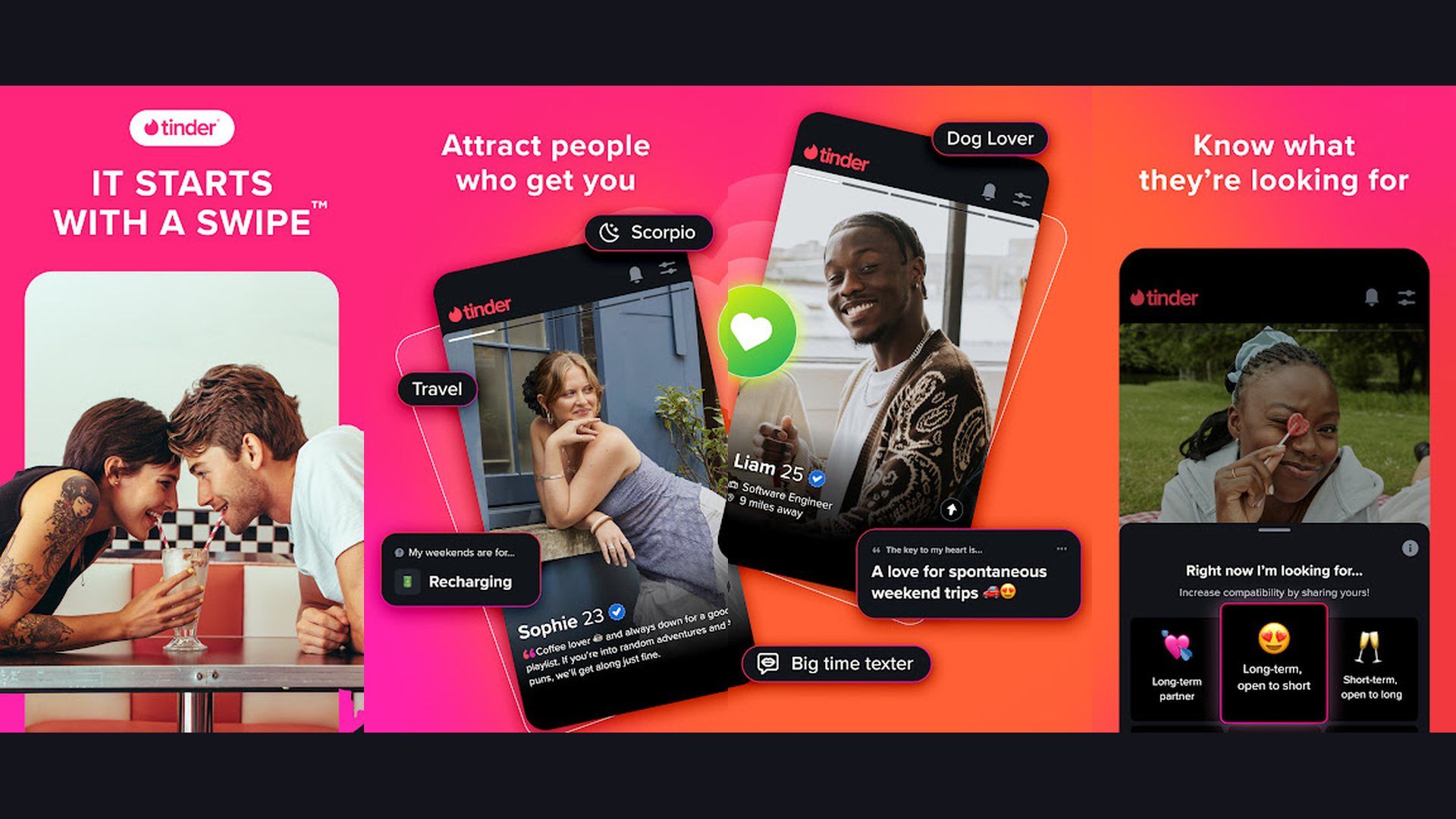
Tinder is the most popular dating app globally with over 75 million monthly active users, available for ages 18+ with extensive safety features including photo verification and a panic button. While Tinder previously had a teen section (ages 13-17), this was removed in 2016 and the app now strictly requires users to be 18 or older. For older teens who have just turned 18, Tinder remains the largest dating pool available. The swipe-right-to-like, swipe-left-to-pass mechanic is the industry standard. Tinder introduced ID verification allowing users to verify their identity with a government ID. The Photo Verification feature uses selfies and AI to confirm profile photos are authentic. The Safety Center provides resources on safe dating practices. Noonlight integration adds a panic button for emergency situations during dates. Tinder shows mutual interests and connections through shared Spotify playlists and Instagram integration. Tinder is free with Tinder Plus ($9.99/month for under 28). For 18-year-olds, Tinder provides the largest user base with improving safety features. Related: cougar dating apps for different preferences.
7. Wizz (Rating 3.7)
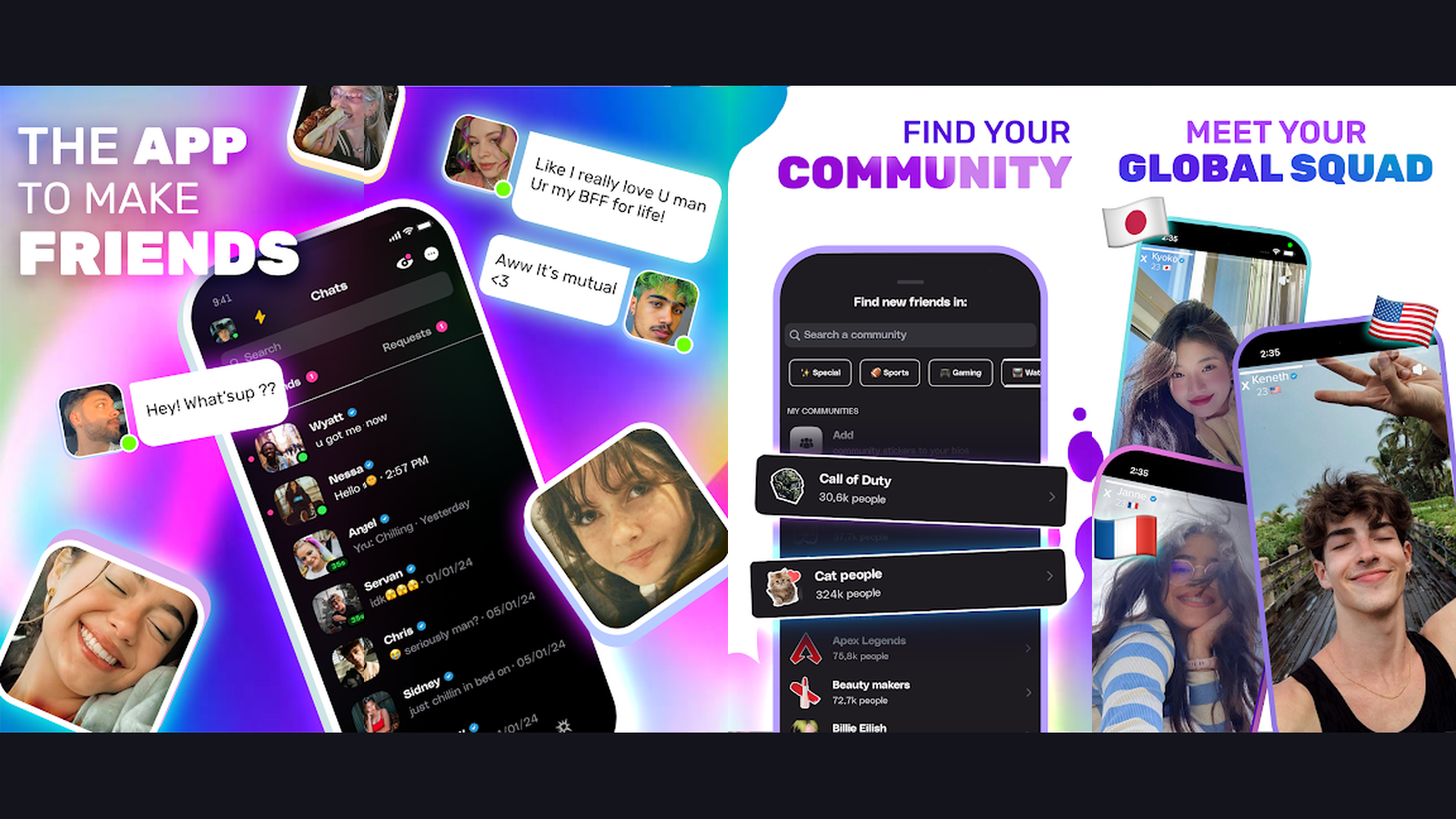
Wizz is a fast-paced social chat app for teens and young adults that uses instant matching and swipe connections with AI-powered age verification. Wizz emphasizes speed: swipe through profiles, match instantly, and start chatting within seconds. The app uses Yoti, an AI age estimation service, that requires a selfie during signup to verify the user is at least 13 years old. This makes Wizz one of the few teen social apps with genuine age verification rather than a simple date-of-birth field. Profile cards show photos, name, age, and distance. The chat interface supports text, photos, GIFs, and voice messages. Wizz filters users by age to ensure teens interact with age-appropriate peers. The reporting system lets users flag problematic behavior with a dedicated moderation team reviewing reports. The block feature immediately prevents further contact. Wizz is free with optional premium features. For teens who want instant chat connections with verified age matching, Wizz delivers the fastest social discovery experience with genuine age verification technology.
8. Spotafriend (Rating 3.7)
Spotafriend is a teen-only social and friendship app designed specifically for ages 13-19 that uses a swipe-based interface similar to Tinder but focused on friendships. Spotafriend was created to give teenagers a dedicated platform for making new friends without the adult user base found on mainstream dating apps. The swipe mechanic is familiar: view profiles and swipe right to connect or left to pass. When two users swipe right on each other, they match and can start chatting. The app is exclusively for teenagers aged 13-19, with users automatically removed when they turn 20. Profile creation includes photos, age, school, interests, and a bio. The nearby feature shows other teen users in your area. The messaging system supports text and photo sharing. While marketed as a friendship app, many users do use Spotafriend for teen dating as well. Safety features include reporting and blocking tools. Spotafriend is free with premium upgrades. For younger teens (13-17) who want a dedicated teen-only platform without adults, Spotafriend provides the most age-restricted social experience available.
9. Hinge (Rating 3.4)
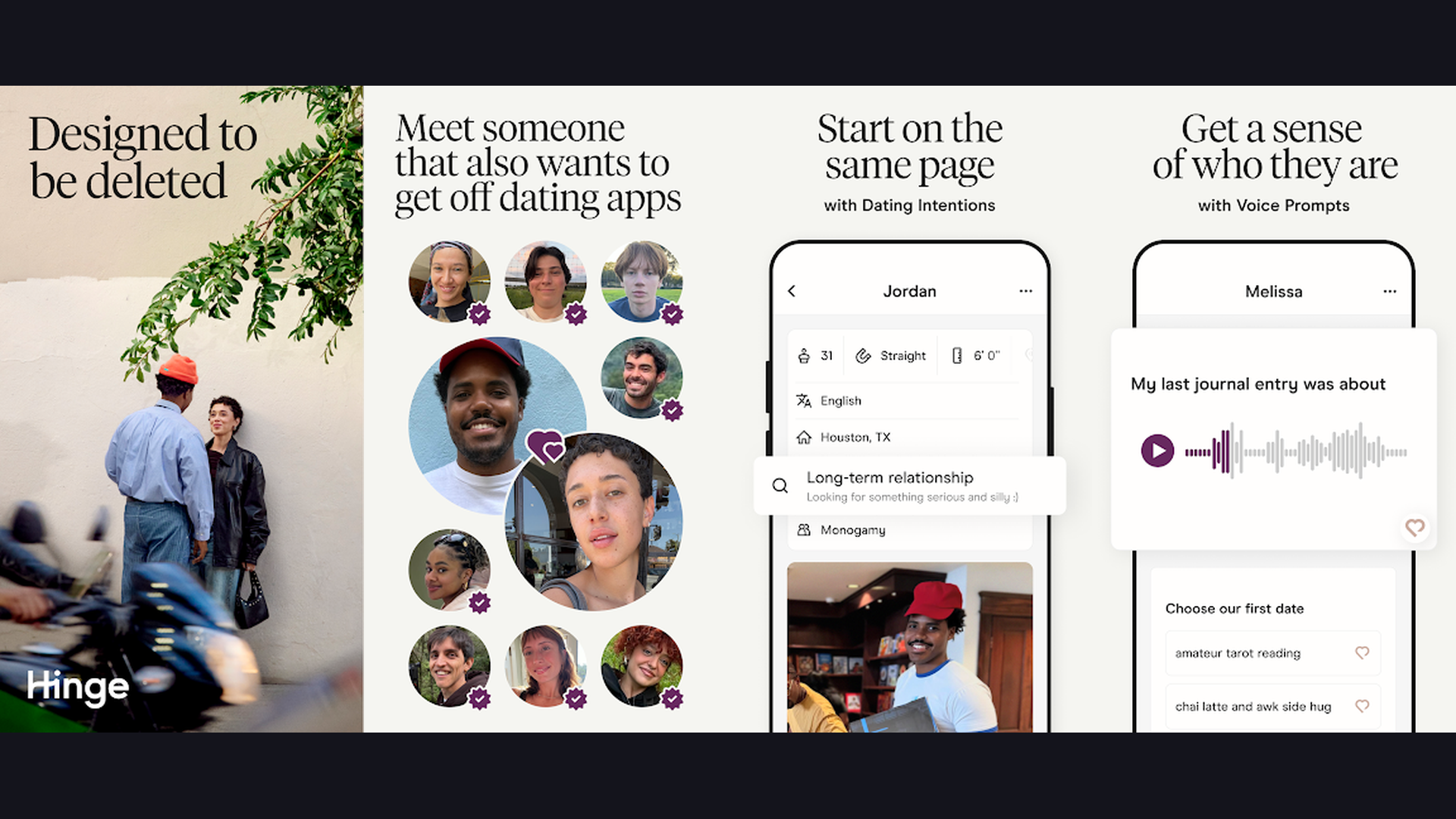
Hinge is a relationship-focused dating app for ages 18+ that uses prompted profile responses instead of bios, designed to be deleted after finding a meaningful connection. Hinge differentiates itself from casual dating apps by encouraging deeper profiles and more intentional conversations. Instead of a simple bio, users answer three prompts from a curated list (such as "A life goal of mine is..." or "I will not shut up about...") that showcase personality. Users like and comment on specific photos or prompt answers, creating more meaningful conversation starters than a generic "hey." The Standouts feature highlights the most engaging profiles. Video Prompts let users record short video answers to prompts. Hinge uses a compatibility algorithm that learns your preferences over time. Photo verification confirms identity. The dating intention feature shows what each user is looking for (relationship, casual, unsure). Hinge is free with HingeX ($49.99/month). For 18-year-olds seeking meaningful connections rather than casual swiping, Hinge promotes deeper engagement and more intentional dating.
10. TrevorSpace (Rating 3.3)
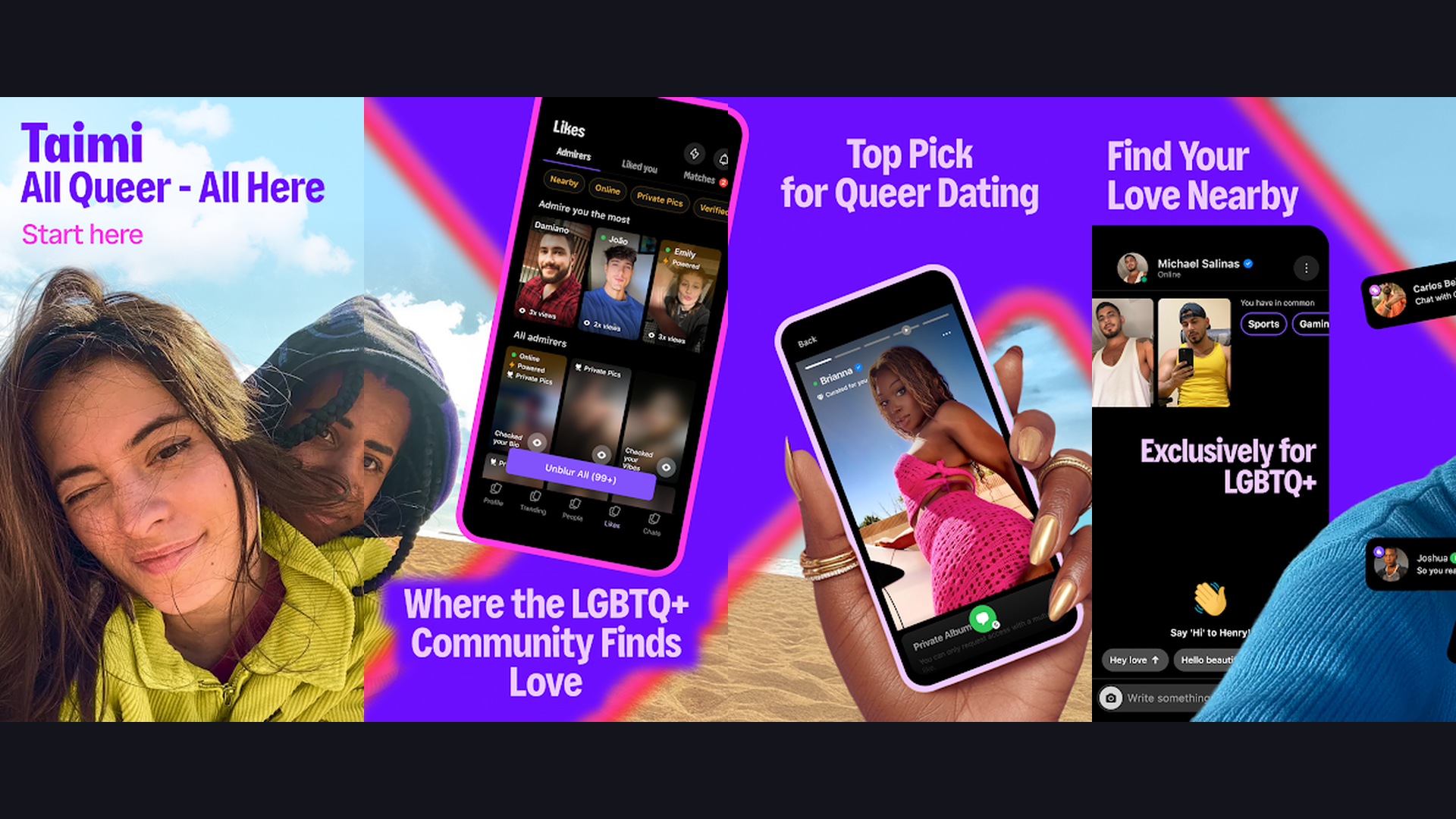
TrevorSpace is a moderated online community by The Trevor Project specifically designed as a safe space for LGBTQ+ youth ages 13-24. TrevorSpace is fundamentally different from dating apps: it is a safe, affirming social community where LGBTQ+ youth can connect, share experiences, and find support. Backed by The Trevor Project (the leading organization for LGBTQ+ youth crisis intervention), TrevorSpace is moderated by trained staff to ensure a safe, respectful environment. Users can create profiles, join topic-based groups, post updates, share resources, and connect with peers who understand their experiences. The platform is especially valuable for LGBTQ+ teens in unsupportive environments who need a safe online community. Content moderation prevents bullying, harassment, and inappropriate contact. The connection to Trevor Project crisis resources means help is always accessible. TrevorSpace is completely free. For LGBTQ+ teens who need a safe, moderated community where they can be themselves, TrevorSpace provides the most supportive and professionally moderated social space available. Maintain well-being with health and fitness apps.
11. LMK (Rating 3.2)
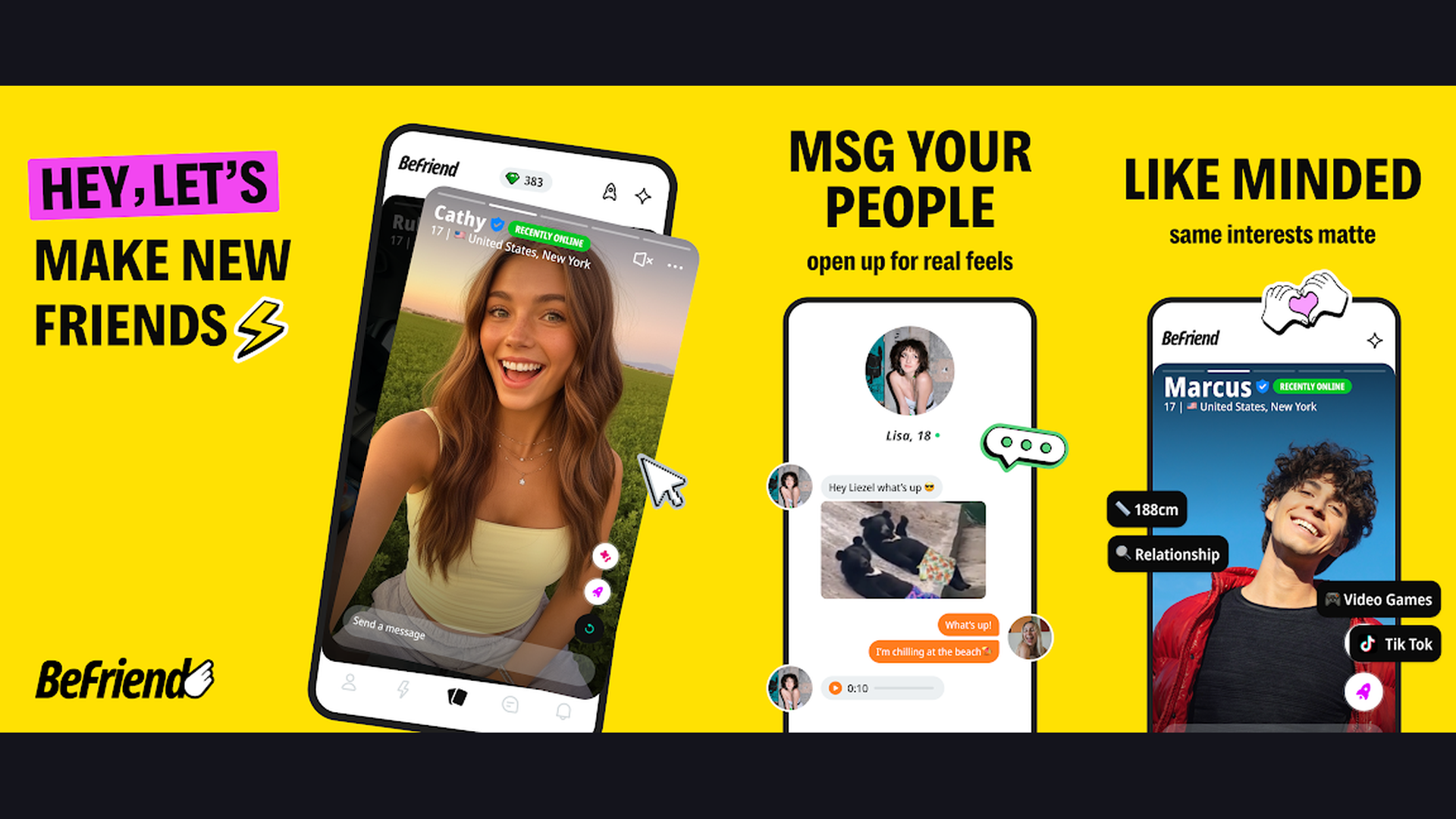
LMK (Let Me Know) is a group hangout app for teens that focuses on real-life meetups by letting you invite friends and nearby users to activities like movies, sports, study sessions, and food runs. LMK takes the opposite approach to traditional dating apps: instead of private messaging between strangers, LMK encourages group activities in public settings. Create a hangout plan (going to the mall, playing basketball, studying at the library), invite your friends, and open it up to nearby teens who want to join. This group-focused, activity-based model creates naturally safer interactions because meetups happen in public places with multiple people. The app lets you browse nearby hangouts and request to join groups that interest you. Integration with Snapchat and iMessage makes coordinating easy. The hangout feed shows what teens in your area are doing right now. LMK is free to use. For teens who prefer real-world group activities over online-only chatting, LMK promotes healthy social interactions through shared experiences rather than isolated messaging.
12. Qustodio (Rating 3.0)
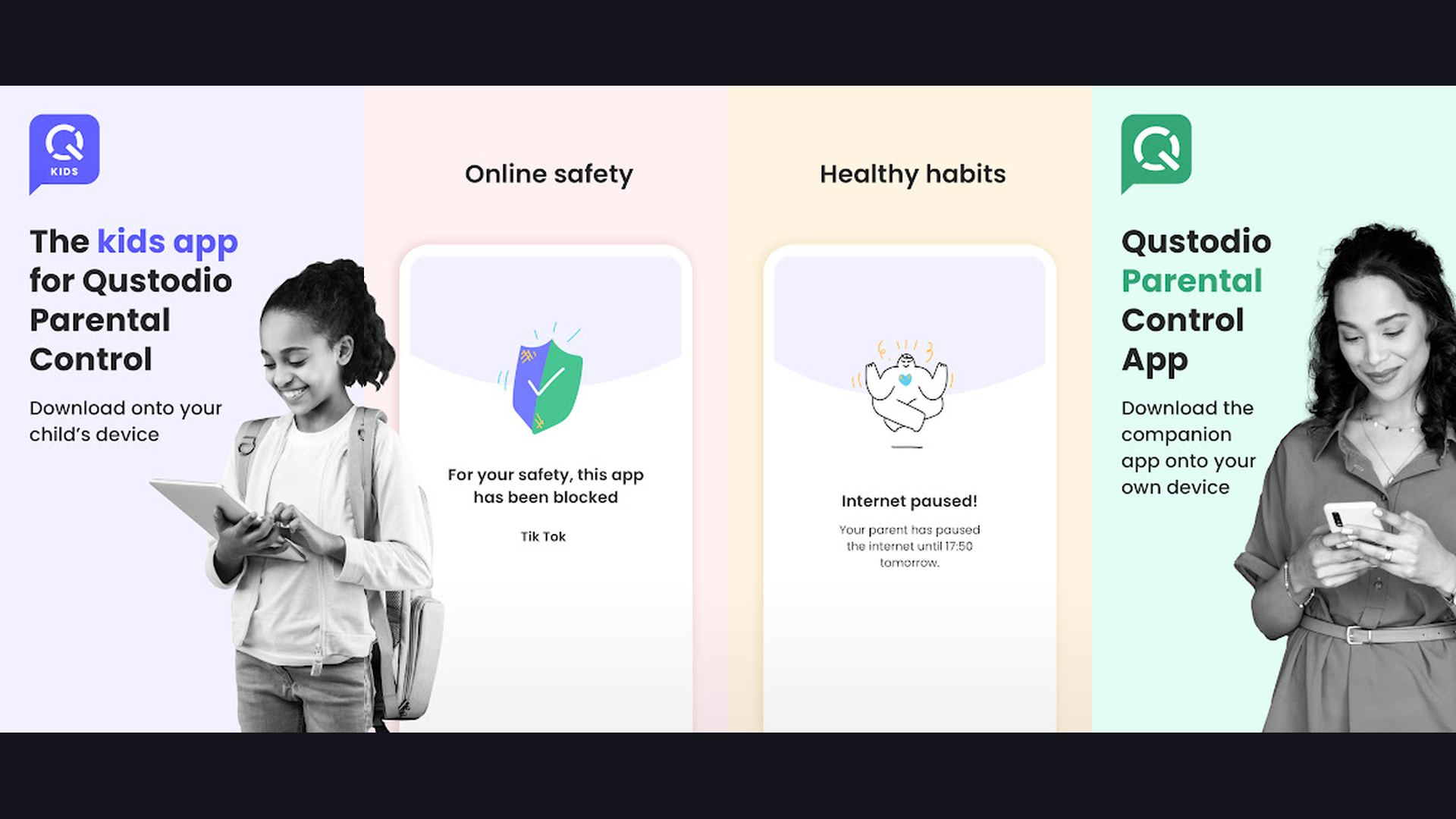
Qustodio is a comprehensive parental control platform that monitors social media activity, filters web content, manages screen time, and uses AI to detect risky conversations across over 20,000 apps. Like Bark, Qustodio is essential for parents whose teens are active on social and dating apps. Qustodio goes beyond basic monitoring: it provides detailed activity reports showing which apps your teen uses most, how much time they spend on each, and what websites they visit. The social media monitoring feature works with Instagram (Android), WhatsApp, LINE, and other platforms. The AI conversation analysis detects potentially dangerous interactions including grooming behavior, cyberbullying, and inappropriate content. Web filtering blocks access to adult content, gambling, and other age-inappropriate websites across 25+ categories. The location tracking feature shows your teen location in real time. Uninstall protection prevents teens from removing the app. Qustodio is $54.95/year for 5 devices. For parents who want the most comprehensive monitoring and filtering solution across all their teen devices, Qustodio provides the deepest visibility. Use alongside budgeting apps for managing family tech expenses.
Which App Is Right for Your Age?
Best for Ages 13-17 (Teen-Specific Apps)
- Yubo - Safest teen platform, AI age verification, group live streaming focus
- Spotafriend - Teen-only (13-19), swipe-based friendship app
- Hoop - Snapchat friend discovery, card-swipe interface
- Wizz - Instant chat connections, Yoti AI age verification
- LMK - Group hangout planning, public meetups, activity-based
Best for Ages 18+ (Entering Adulthood)
- Bumble - Safest mainstream dating, women message first, photo verification
- Hinge - Relationship-focused, prompted profiles, intentional dating
- Tinder - Largest user base, ID verification, Noonlight panic button
Best for LGBTQ+ Teens
- TrevorSpace - Professionally moderated safe space, ages 13-24, backed by The Trevor Project
Best for Social Discovery (Not Dating)
- Wink - Swipe-based friend finding with Snapchat integration
- Hoop - Grow your Snapchat network through profile cards
- LMK - Real-world group activities rather than online chatting
Essential for Parents
- Bark - AI-powered monitoring of 30+ platforms, privacy-respecting alerts
- Qustodio - Comprehensive monitoring, web filtering, app management, location tracking
Essential Safety Tips for Teen Dating Apps
- Never Lie About Your Age - Using adult dating apps (Tinder, Bumble, Hinge) as a minor is dangerous and violates terms of service. These apps are designed for adults, and minors are at significantly higher risk of encountering predatory behavior. Stick to age-appropriate platforms (Yubo, Spotafriend, Hoop, Wizz) until you turn 18. Lying about your age puts you in situations you are not prepared to handle.
- Keep Personal Information Private - Never share your home address, school name, daily schedule, phone number, or financial information with someone you met online. Use the app in-app messaging system rather than giving out your personal phone number early. A genuine connection does not require knowing where you live or go to school before meeting in person.
- Meet in Public Places Only - If you decide to meet an online connection in person, always meet in a busy public place (mall, coffee shop, park with many people). Bring a friend or family member. Tell a parent or trusted adult where you are going and who you are meeting. Never get in a car with someone you just met online. Have your own transportation planned.
- Trust Your Instincts - If someone makes you uncomfortable, pressures you for photos, asks inappropriate questions, or tries to isolate you from friends and family, trust your instincts and block them immediately. You do not owe anyone your time or attention. Report concerning behavior to the app moderation team and tell a trusted adult.
- Verify People Are Who They Claim to Be - Catfishing (pretending to be someone else) is extremely common on social and dating apps. Before investing emotionally in an online connection, video chat to confirm the person matches their profile photos. Be wary of anyone who makes excuses to avoid video calls. Use apps with photo verification features like Bumble, Tinder, and Hinge for stronger identity confirmation.
- Set Boundaries Around Photos - Never send intimate or revealing photos to anyone online, regardless of how much you trust them. These images can be shared, screenshotted, and used for manipulation or blackmail. This applies to people you know in real life too. Once a photo is sent digitally, you permanently lose control over it. Apps like Snapchat may feel temporary, but screenshots are trivially easy.
- Talk to Your Parents or a Trusted Adult - Open communication with parents about your online social life creates a safety net. If something goes wrong, knowing a parent is aware of your app usage means help is easier to get. Parents who install monitoring tools like Bark can catch concerning patterns that teens might miss. This is not about surveillance; it is about safety.
- Recognize Warning Signs of Grooming - Online predators often follow a pattern: excessive flattery, rushing emotional intimacy, isolating you from friends and family, asking you to keep the relationship secret, gradually introducing sexual topics, and requesting to move conversations to private channels. If an older person shows unusual interest in you, is overly complimentary, or asks you to hide your conversations, tell a trusted adult immediately.
Frequently Asked Questions
What is the safest dating app for teens?
For teens under 18, Yubo is the safest option due to its AI-powered age verification, age-separated user groups (13-17 and 18+), real-time live stream moderation, and partnerships with child safety organizations. Yubo focuses on group social interactions rather than private one-on-one dating, which creates naturally safer dynamics. For LGBTQ+ teens, TrevorSpace (backed by The Trevor Project) provides a professionally moderated safe community.
At what age can you use dating apps?
Most mainstream dating apps (Tinder, Bumble, Hinge) require users to be at least 18 years old. Some teen social apps have lower age requirements: Yubo, Wizz, and Spotafriend accept users from age 13. Hoop requires users to be at least 13. LMK is designed for teens. TrevorSpace accepts ages 13-24. It is critical to use only apps designed for your age group and never lie about your age to access adult platforms.
Should parents monitor their teens dating app usage?
Yes, but with a balanced approach. Tools like Bark provide privacy-respecting monitoring that only alerts parents to concerning content rather than showing every message. Qustodio offers more comprehensive oversight. The goal is not to spy on normal teen interactions but to catch dangerous situations like predatory behavior, cyberbullying, or exploitation. Open communication about app usage combined with monitoring tools provides the best safety balance.
Are teen dating apps actually safe?
No app is 100% safe, but some are significantly safer than others. Apps with AI age verification (Yubo, Wizz), age-separated user groups, active moderation teams, and partnerships with safety organizations provide better protection. However, risks like catfishing, predatory behavior, and cyberbullying exist on every social platform. Safety ultimately depends on combining good apps with smart behavior: keeping personal information private, meeting in public places, and maintaining open communication with trusted adults.
What should I do if someone makes me uncomfortable on a dating app?
Block the person immediately. Report their profile to the app moderation team using the in-app reporting feature. Screenshot any concerning messages before blocking (as evidence). Tell a parent or trusted adult about the interaction. If you feel you are in immediate danger, contact local law enforcement. If you are experiencing a crisis, text HOME to 741741 (Crisis Text Line) or call 988 (Suicide and Crisis Lifeline). LGBTQ+ youth can reach The Trevor Project at 1-866-488-7386.
Can I use Tinder or Bumble as a 17-year-old?
No. Tinder and Bumble both require users to be at least 18 years old. Creating an account with a false birth date violates their terms of service and can result in a permanent ban. More importantly, using adult dating apps as a minor puts you at genuine risk. Adults on these platforms expect to interact with other adults, and the content and conversations are not appropriate for minors. Wait until you are 18, and use teen-appropriate apps like Yubo, Hoop, or Wizz in the meantime.
Final Thoughts
The teen social and dating landscape in 2026 offers options for every age group and need. Yubo leads for teens under 18 with AI age verification and group-focused interactions. Hoop and Wink bridge the gap between social discovery and Snapchat networking. Wizz delivers instant connections with genuine age verification. Spotafriend provides a teen-only environment. TrevorSpace is the essential safe community for LGBTQ+ youth. For 18-year-olds, Bumble offers the safest mainstream dating experience, Hinge promotes intentional relationships, and Tinder provides the largest user base. LMK encourages real-world group hangouts. And Bark and Qustodio give parents the tools to keep their teens safe. Whatever app you choose, prioritize safety: verify identities, meet in public, keep personal information private, and always tell a trusted adult about your online interactions. For more app guides, explore health and fitness, language learning, and budgeting apps.