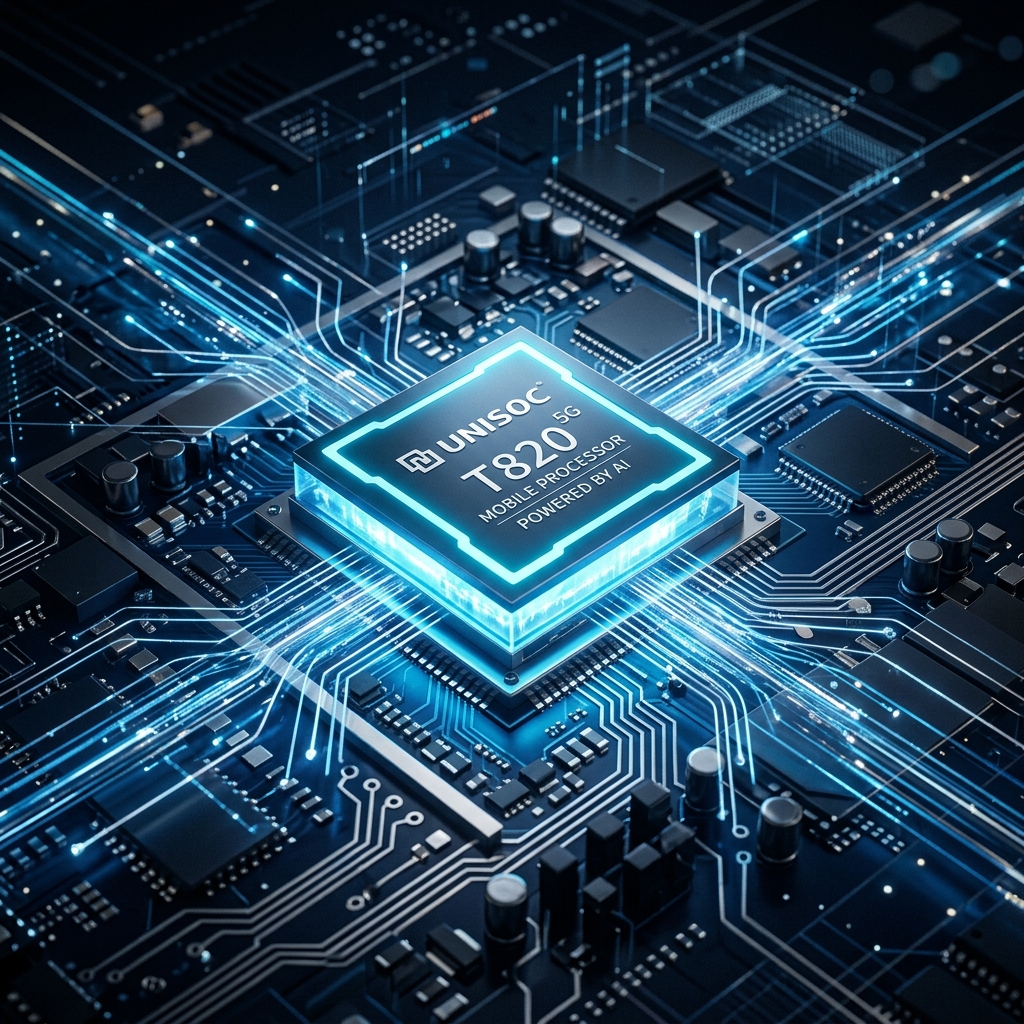
UNISOC, formerly known as Spreadtrum Communications, has emerged as a significant player in the global mobile processor market. As the third-largest mobile chipset manufacturer in the world behind Qualcomm and MediaTek, UNISOC specializes in delivering affordable yet capable processors that power millions of budget and entry-level smartphones across Asia, Africa, Latin America, and the Middle East. This comprehensive guide explores everything you need to know about UNISOC processors in 2026.
History and Background of UNISOC
UNISOC is a Chinese fabless semiconductor company headquartered in Shanghai. It was originally founded as Spreadtrum Communications in 2001 and later merged with RDA Microelectronics in 2013. The combined entity was rebranded as UNISOC (which stands for UNIversal Scientific Operations Company) in 2018. The company is a subsidiary of Tsinghua Unigroup and has invested heavily in research and development to expand beyond its traditional stronghold in ultra-budget chipsets into the mid-range and 5G segments.
Market Position
While Qualcomm and MediaTek dominate the premium and mid-range smartphone markets, UNISOC has carved out a dominant position in the sub-$150 smartphone segment. The company ships hundreds of millions of chips annually, powering devices from major manufacturers including Samsung, Nokia, Motorola, Realme, and numerous regional brands. In emerging markets where affordability is the primary purchase driver, UNISOC processors are often the chipset of choice.
UNISOC Processor Lineup
UNISOC organizes its mobile processors into several distinct product families, each targeting a specific market segment and performance tier.
Tiger Series (T-Series)
The Tiger series represents UNISOC most capable processors designed for mainstream smartphones. The T series uses modern Arm Cortex-A cores and Mali GPUs to deliver competitive performance. Notable models include the UNISOC T820 and T770 which target the mid-range segment with octa-core configurations, support for high refresh rate displays, and capable camera ISPs. The T620 and T616 serve the upper-budget segment and have become extremely popular in affordable smartphones from Samsung and Realme.
SC Series (Entry-Level)
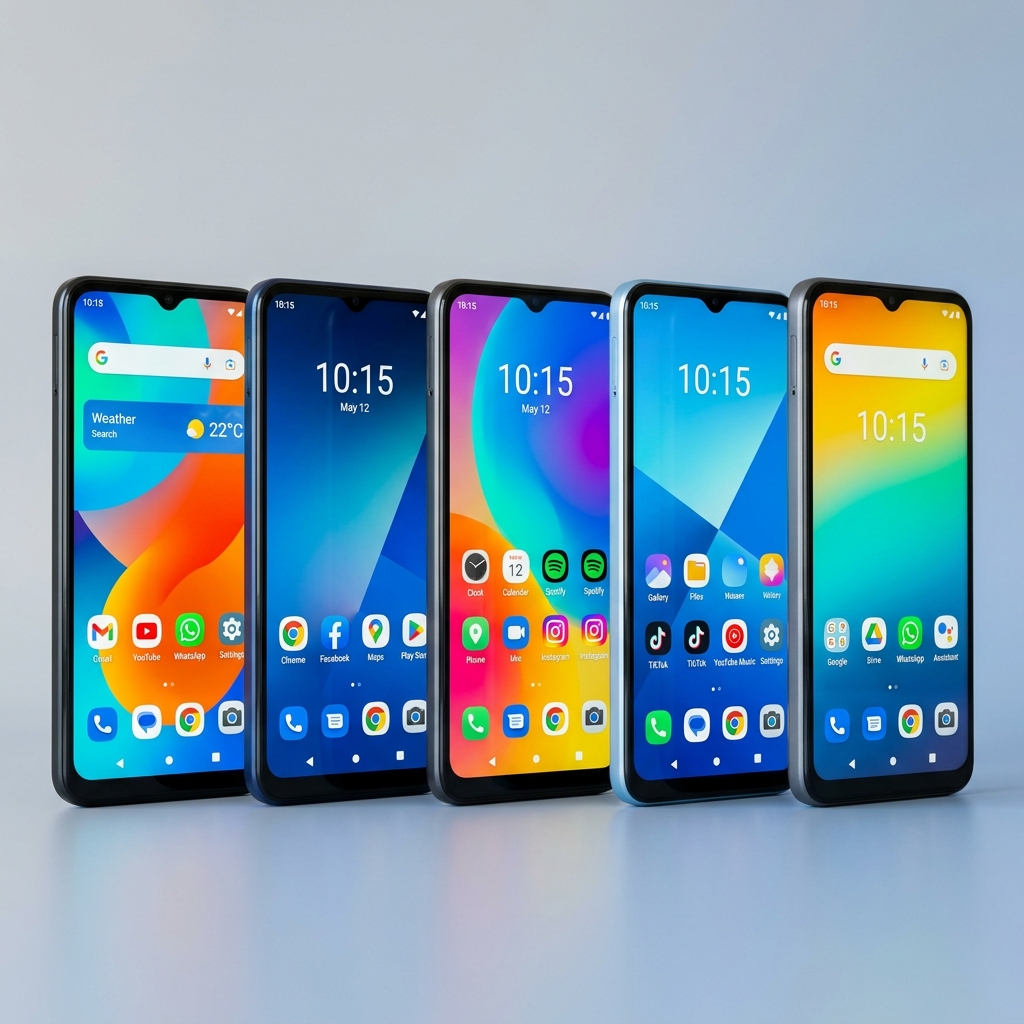
The SC series powers the most affordable smartphones and feature phones on the market. These processors prioritize power efficiency and basic functionality over raw performance. Models like the SC9863A and SC7731E provide adequate performance for essential tasks including calling, messaging, social media browsing, and light app usage. They are commonly found in devices priced under $100, making smartphone ownership accessible to billions of people in developing economies.
Tanggula Series (5G Processors)
The Tanggula series marks UNISOC ambitious entry into the 5G processor market. The Tanggula T7520 was among the first 5G chipsets manufactured on the advanced 6nm process node. It supports both standalone (SA) and non-standalone (NSA) 5G networks, making it fully compatible with next-generation telecom infrastructure. The Tanggula T7525 further refines this platform with improved power efficiency and enhanced AI processing capabilities.

Key Features of UNISOC Processors
Despite their budget positioning, modern UNISOC processors pack several noteworthy features that deliver genuine value to consumers.
Power Efficiency
UNISOC processors are engineered with a strong emphasis on battery life. The lower clock speeds and efficient core configurations found in most UNISOC chips result in excellent power consumption characteristics. Smartphones powered by UNISOC chipsets frequently deliver impressive standby time and screen-on duration, which is critically important for users in regions where consistent access to electricity may be limited.
Integrated Connectivity
All modern UNISOC processors include integrated cellular modems supporting 4G LTE or 5G connectivity depending on the model. They also feature Wi-Fi, Bluetooth, GPS, and FM radio receivers on a single chip. This high level of integration reduces the number of components needed on the phone circuit board, enabling manufacturers to create smaller, lighter, and more affordable devices.
Camera and Display Support
Recent UNISOC processors include capable Image Signal Processors (ISPs) that support dual and triple camera configurations with resolutions up to 108 megapixels on higher-end models. Display support includes HD+ and Full HD+ resolutions with refresh rates up to 120Hz on the Tiger T820 and above. These features ensure that budget smartphones can offer competitive camera and screen experiences.
UNISOC vs Qualcomm vs MediaTek
Understanding how UNISOC compares to its major competitors helps set realistic performance expectations.
Performance Comparison
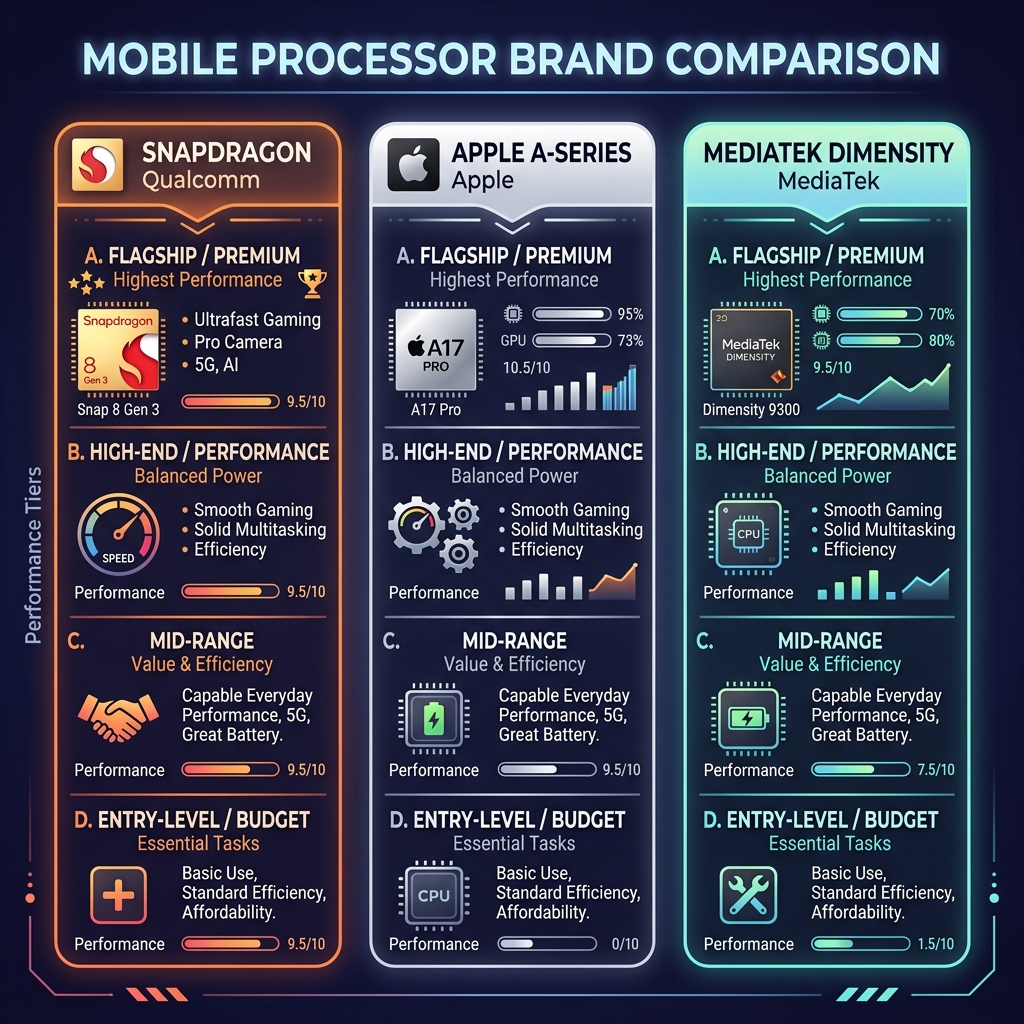
In raw benchmark scores, UNISOC processors typically trail behind Qualcomm Snapdragon and MediaTek Dimensity chips at the same price point. The gap is most noticeable in GPU-intensive tasks like 3D gaming and video editing. However, for everyday usage including social media, web browsing, video streaming, and messaging, the performance difference is negligible. Most users of budget smartphones will find UNISOC processors perfectly adequate for their daily needs.
Software and Update Support
One area where UNISOC has historically lagged behind is software optimization and long-term update support. Qualcomm and MediaTek have more mature relationships with Google and smartphone OEMs, often resulting in faster Android version updates and security patches. However, UNISOC has made significant progress in this area, with recent partnerships improving their integration with the Android ecosystem and custom ROM community.
Price-to-Performance Value
Where UNISOC truly excels is in delivering maximum value per dollar spent. A UNISOC-powered smartphone costing $80 can provide a functional Android experience that was unimaginable at that price point just five years ago. For price-sensitive consumers who prioritize basic functionality, battery life, and affordability over benchmark scores, UNISOC offers compelling value that neither Qualcomm nor MediaTek can match at the lowest price tiers.
The Future of UNISOC
UNISOC is actively investing in advanced manufacturing processes, AI acceleration, and 5G connectivity to move upmarket. The company has announced plans for processors built on 4nm fabrication technology, which would put them on par with the manufacturing capabilities of their larger competitors. Their growing partnership with Samsung for the Galaxy A series demonstrates increasing OEM confidence in UNISOC quality and reliability. As the company continues to improve performance while maintaining its cost leadership, UNISOC is poised to capture an even larger share of the global smartphone processor market.
Conclusion
UNISOC processors play a vital role in making smartphone technology accessible to billions of people worldwide. While they may not compete with flagship Qualcomm or MediaTek chips in raw performance, they deliver impressive value at price points that no other chipmaker can match. With their expanding 5G portfolio, advancing manufacturing technology, and growing OEM partnerships, UNISOC is transforming from a budget-only chipmaker into a serious contender across multiple market segments in 2026.