
In 2026, becoming bilingual or multilingual is more accessible than ever, thanks to powerful language learning apps. Whether you are traveling, expanding your career opportunities, or just exploring a new culture, having a virtual tutor in your pocket is essential. Below, we rank the best language learning apps based on their global store ratings, features, and usability.
1. Mango Languages (★ 4.8)
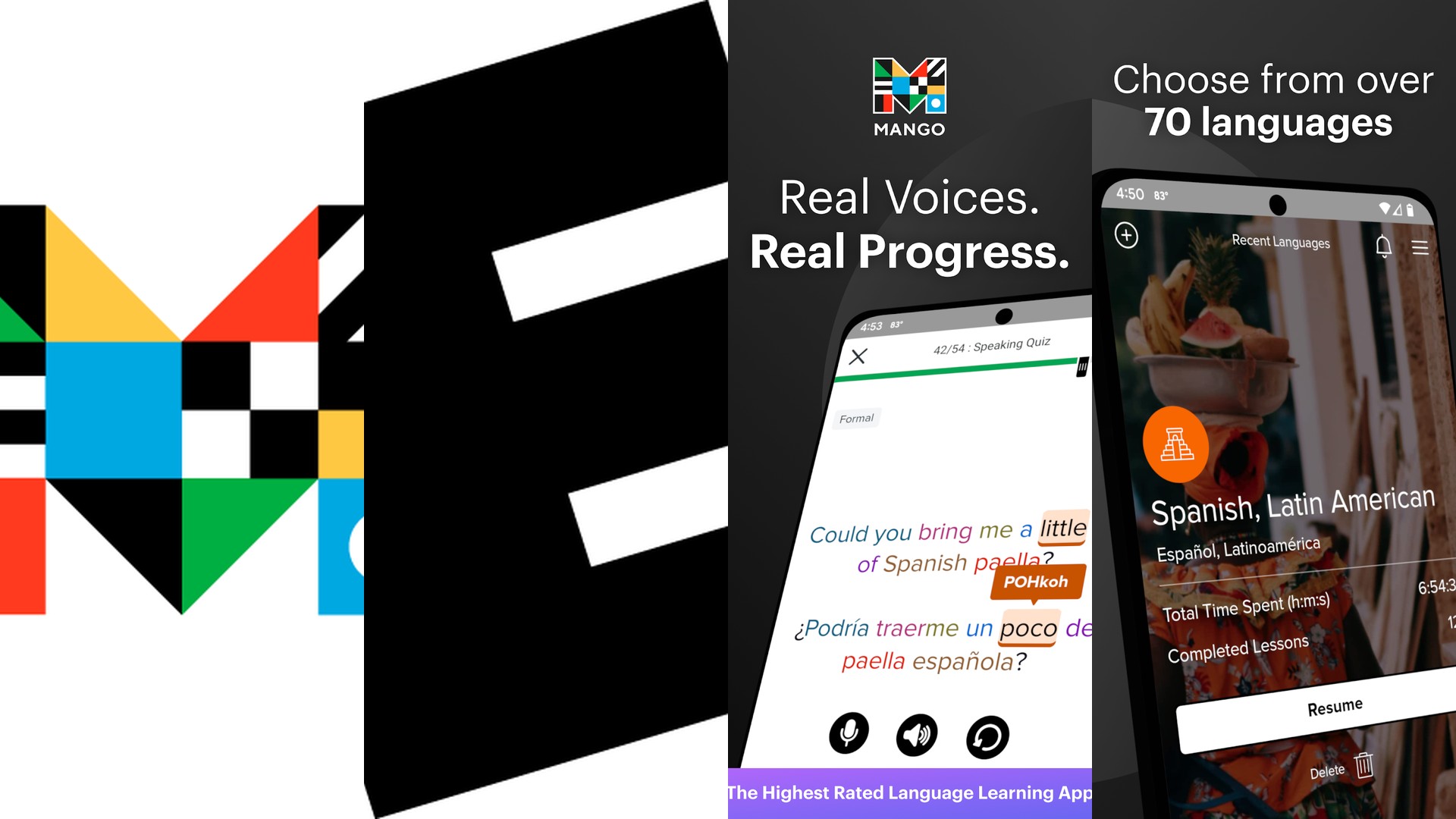
Overview: Mango Languages provides an incredibly intuitive and culture-focused approach to learning. It breaks down conversations line-by-line, helping you understand the exact context and grammar behind every phrase.


2. Duolingo (★ 4.7)
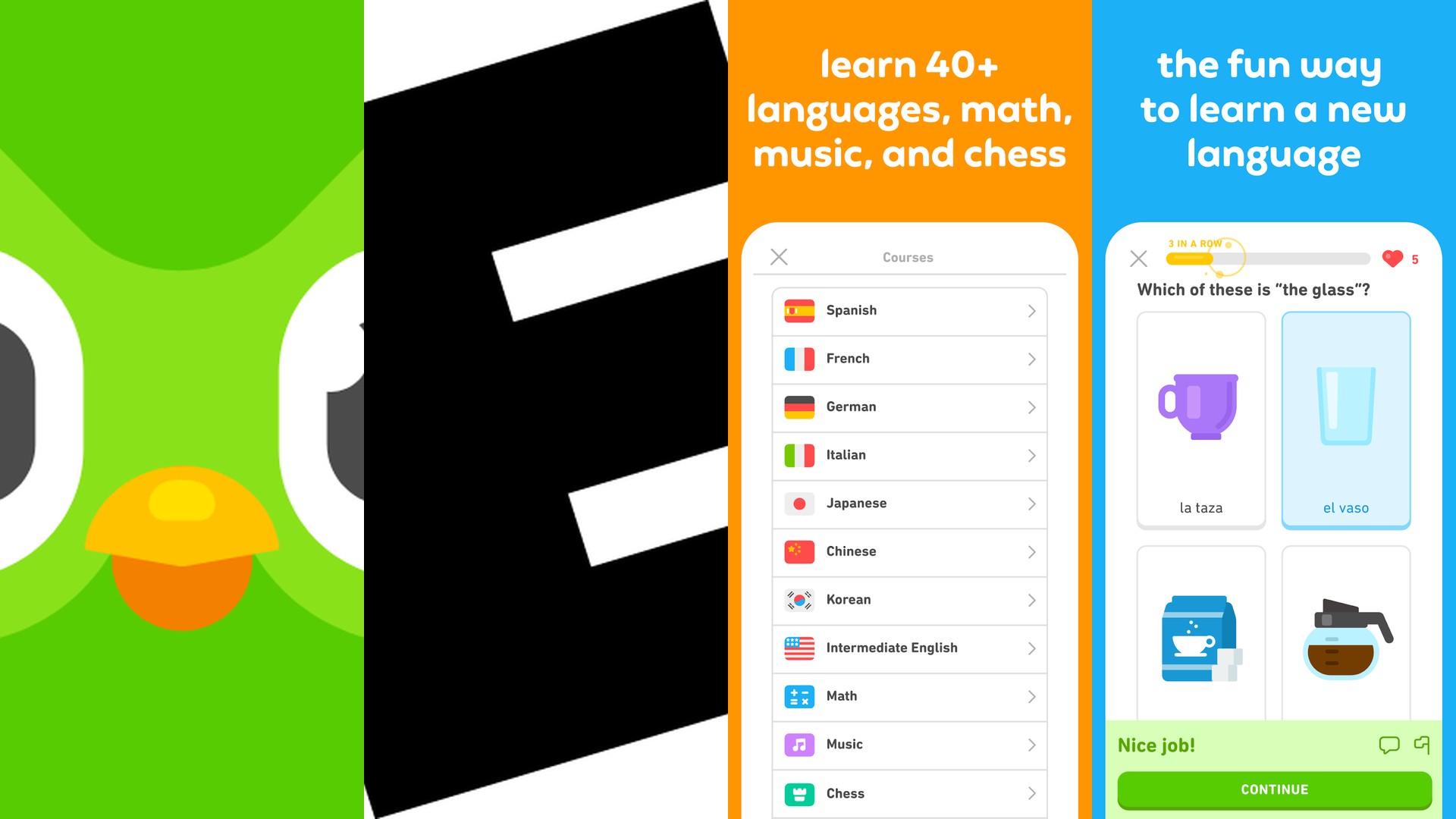
Overview: Duolingo remains the undisputed champion of mobile language learning due to its highly gamified, bite-sized lessons. It motivates users with streaks, points, and leagues, turning education into an addictive habit.
3. Busuu (★ 4.7)
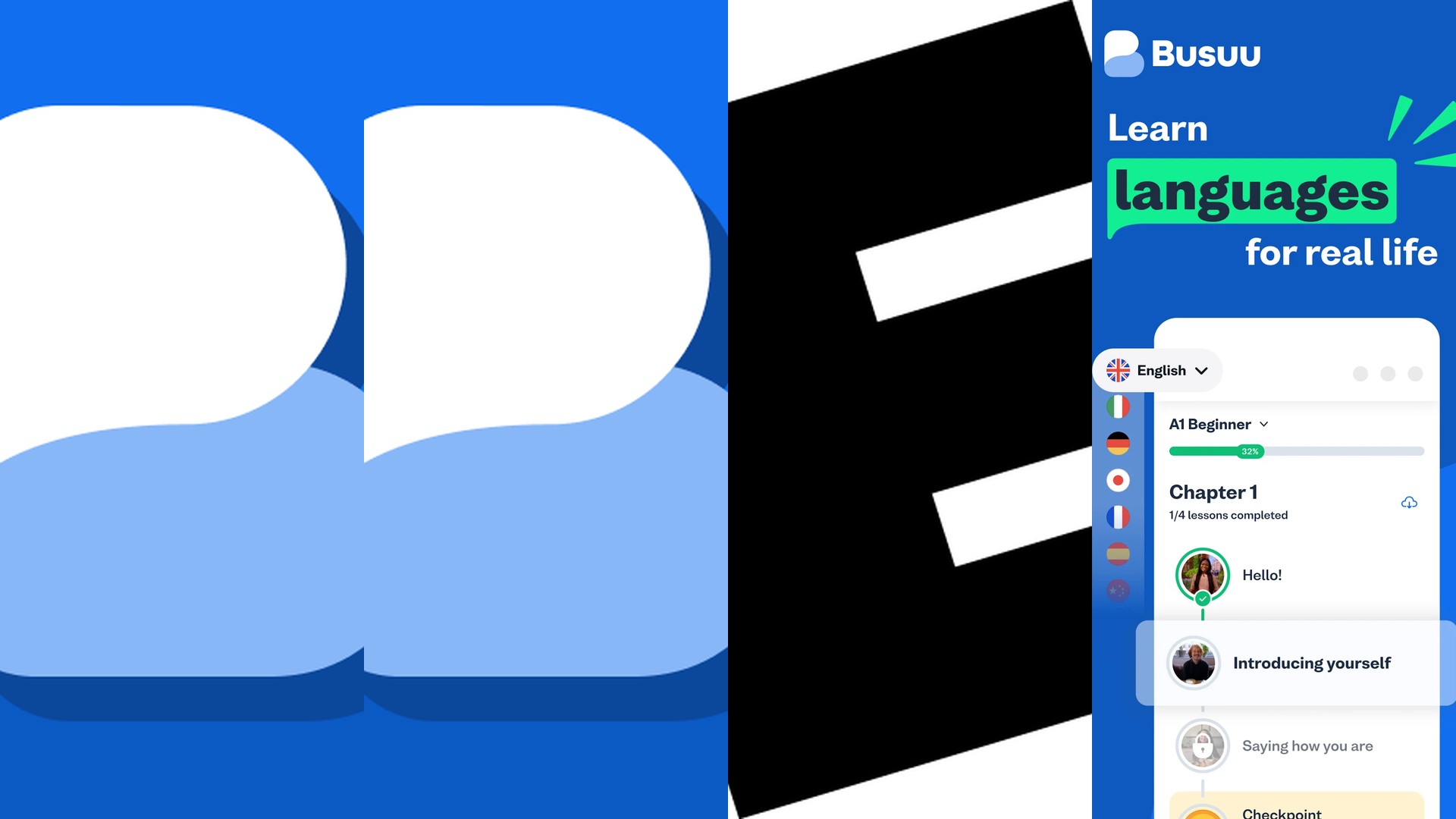
Overview: Busuu offers comprehensive lesson plans tailored by linguistic experts. Its standout feature is a vibrant community of native speakers who can correct your speaking and writing exercises in real-time.
4. Babbel (★ 4.6)
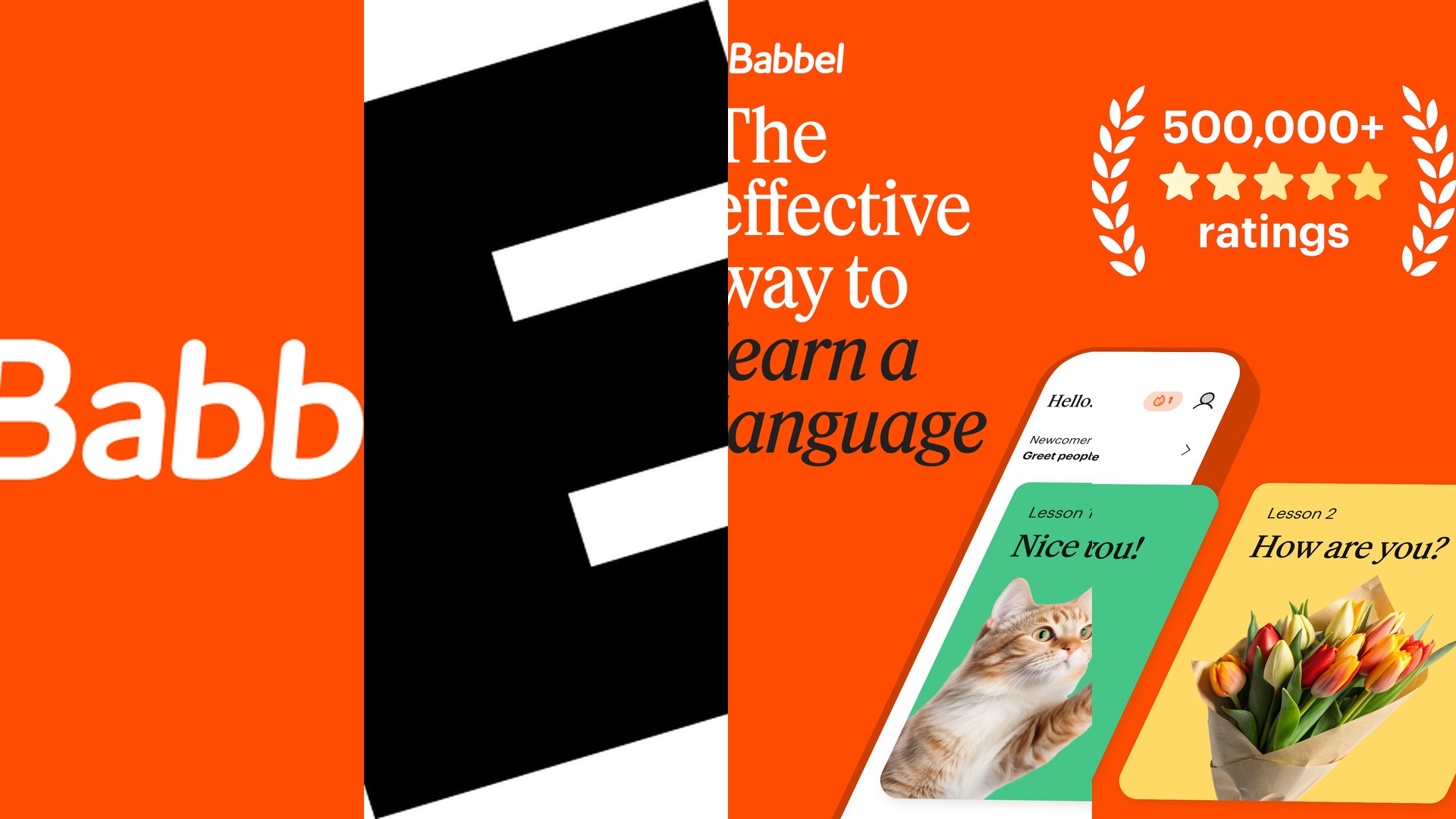
Overview: Unlike typical gamified platforms, Babbel focuses intensely on practical conversational skills. Its curriculum is designed by linguistic experts to help you navigate real-world scenarios right away.
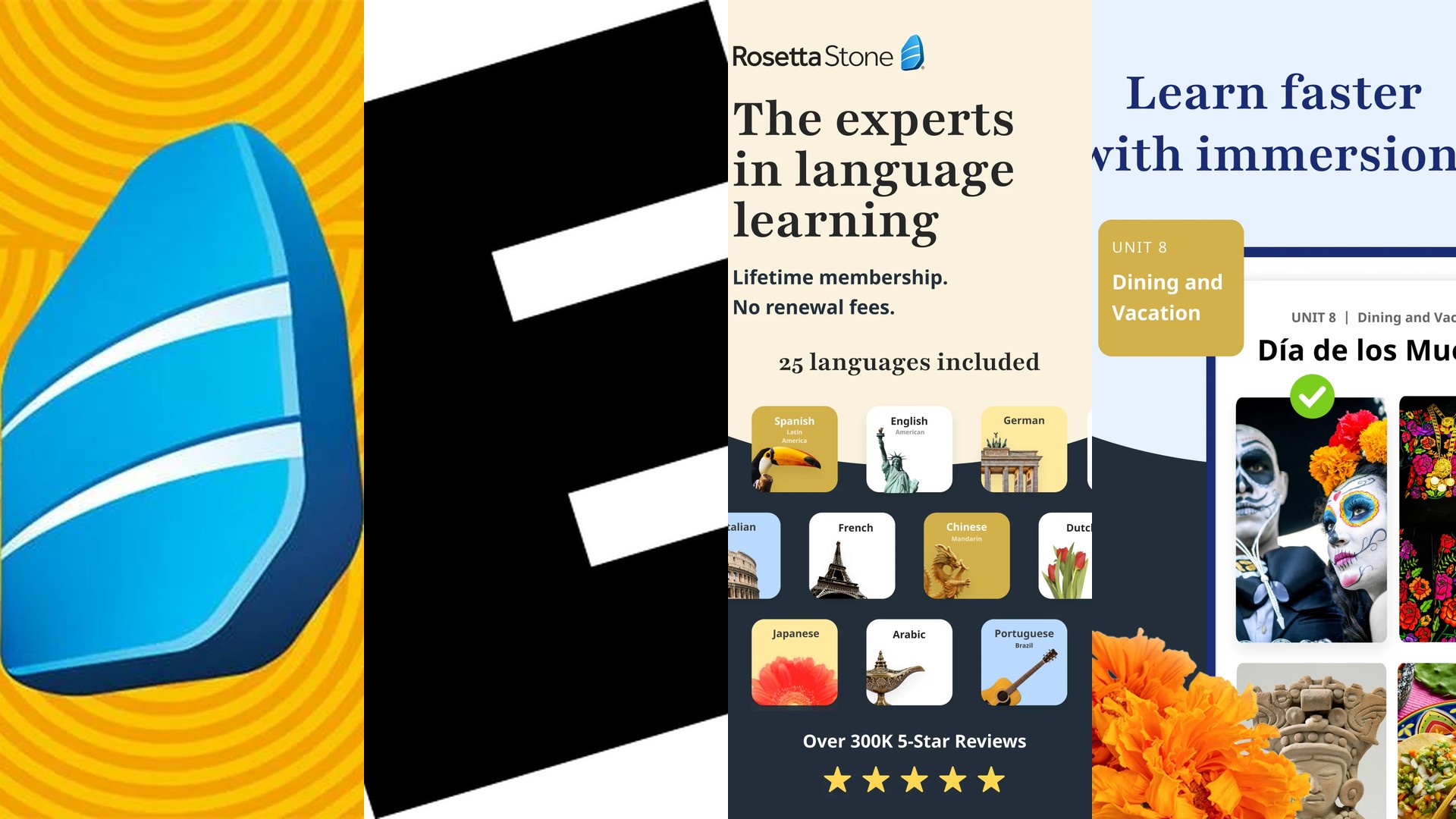
5. Rosetta Stone (★ 4.6)
Overview: A legacy name in language software, Rosetta Stone brings its proven immersive learning method directly to mobile. It teaches languages the way you learned your first one—without translation.
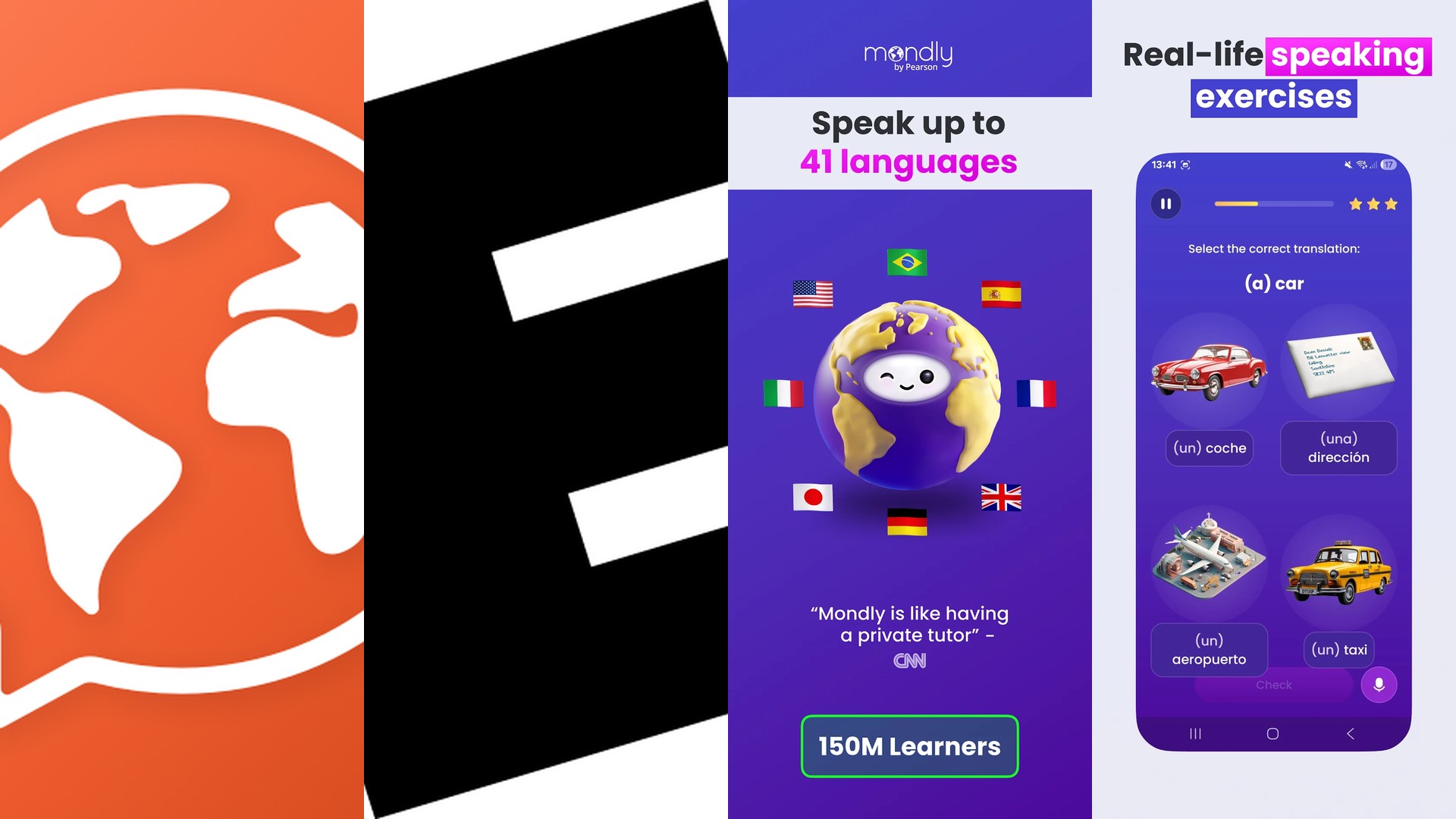
6. Mondly (★ 4.5)
Overview: Mondly embraces futuristic technologies like Augmented Reality (AR) and Virtual Reality (VR) to place you in simulated conversations, providing a uniquely immersive learning environment.
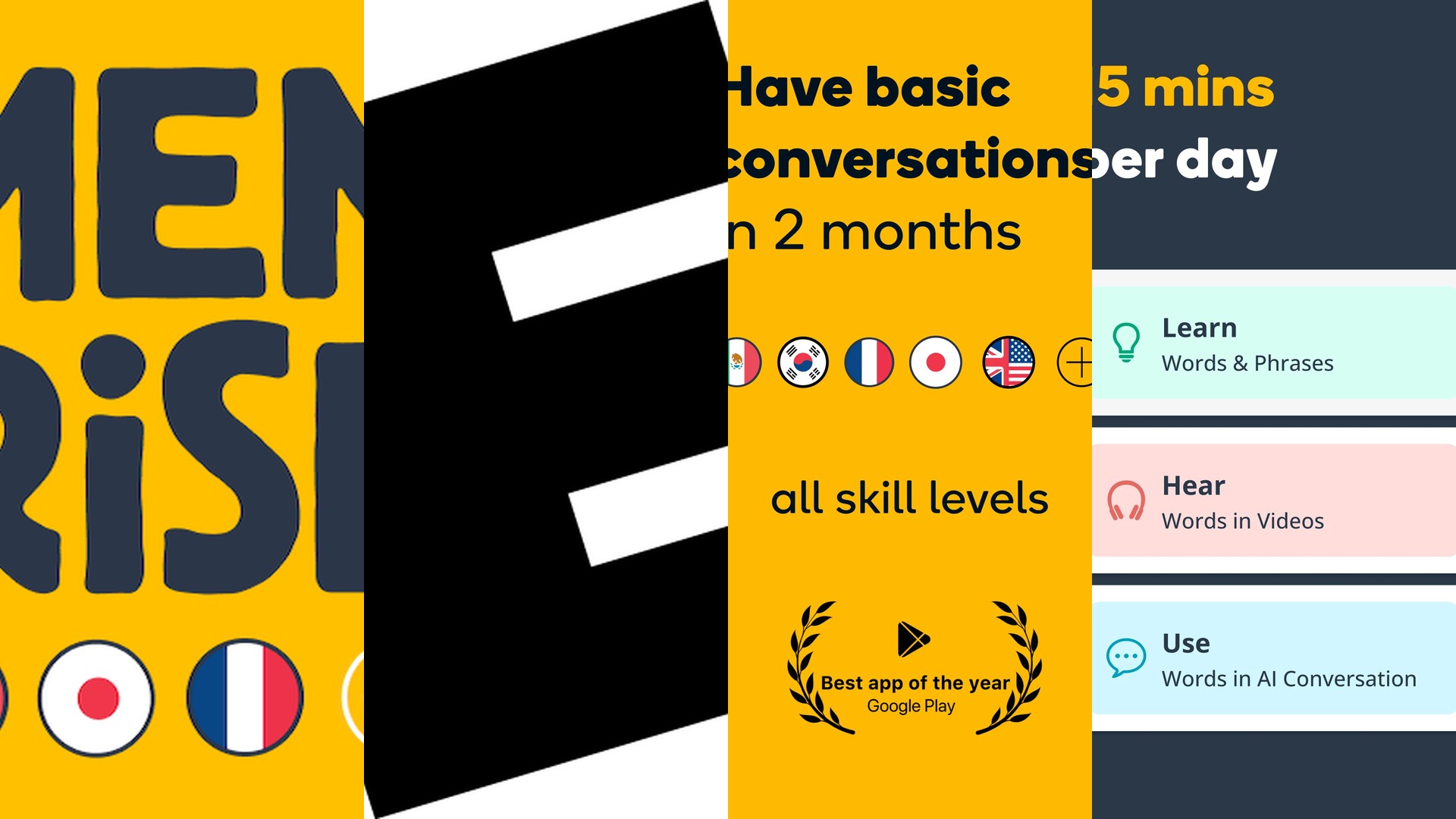
7. Memrise (★ 4.4)
Overview: Memrise is the ultimate app for vocabulary building and colloquial fluency. It stands out by integrating authentic videos of native speakers into its lessons.
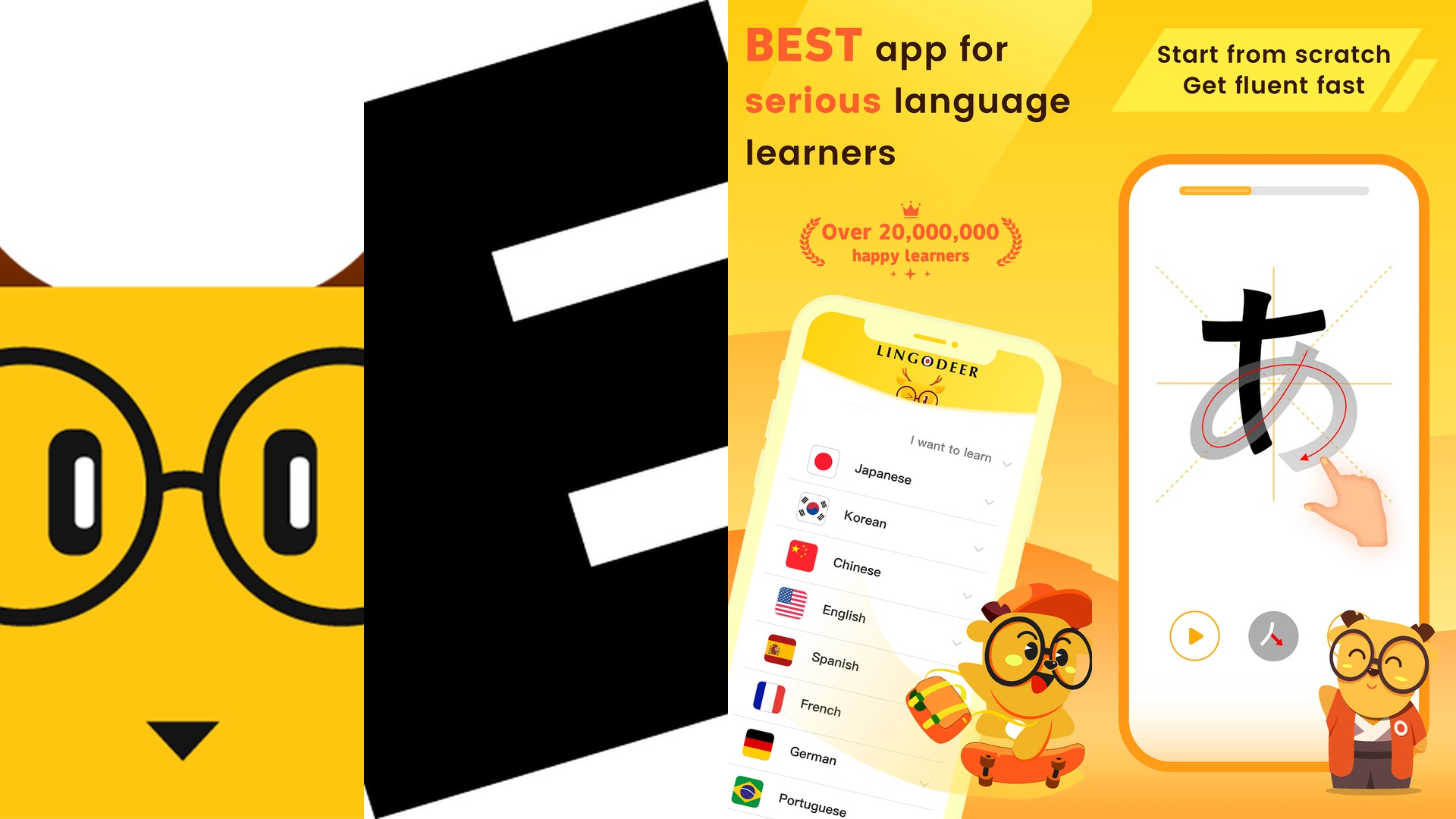
8. LingoDeer (★ 4.4)
Overview: While initially focused on Asian languages like Japanese and Korean, LingoDeer has expanded beautifully into a full suite. Its grammar explanations are unmatched in clarity and structure.
9. Drops (★ 4.3)
Overview: Drops turns vocabulary building into an incredibly beautiful, fast-paced puzzle game. With 5-minute daily limits, it forces you to focus entirely on visual word association.
10. Tandem (★ 4.1)
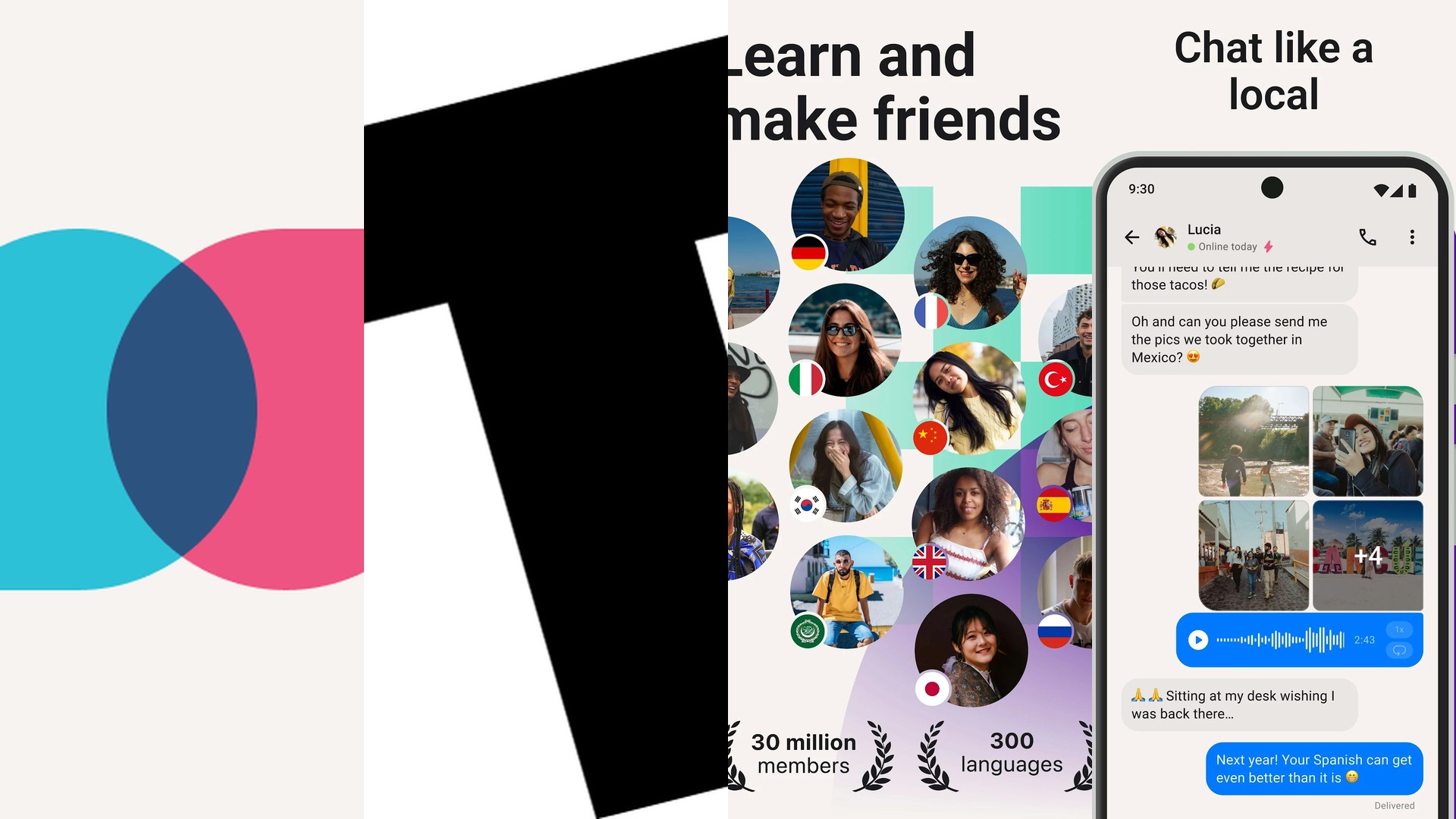
Overview: Tandem is a language exchange app that connects you directly with native speakers around the world. You learn their language, and they learn yours, completely bridging the cultural gap.
11. HelloTalk (★ 3.4)
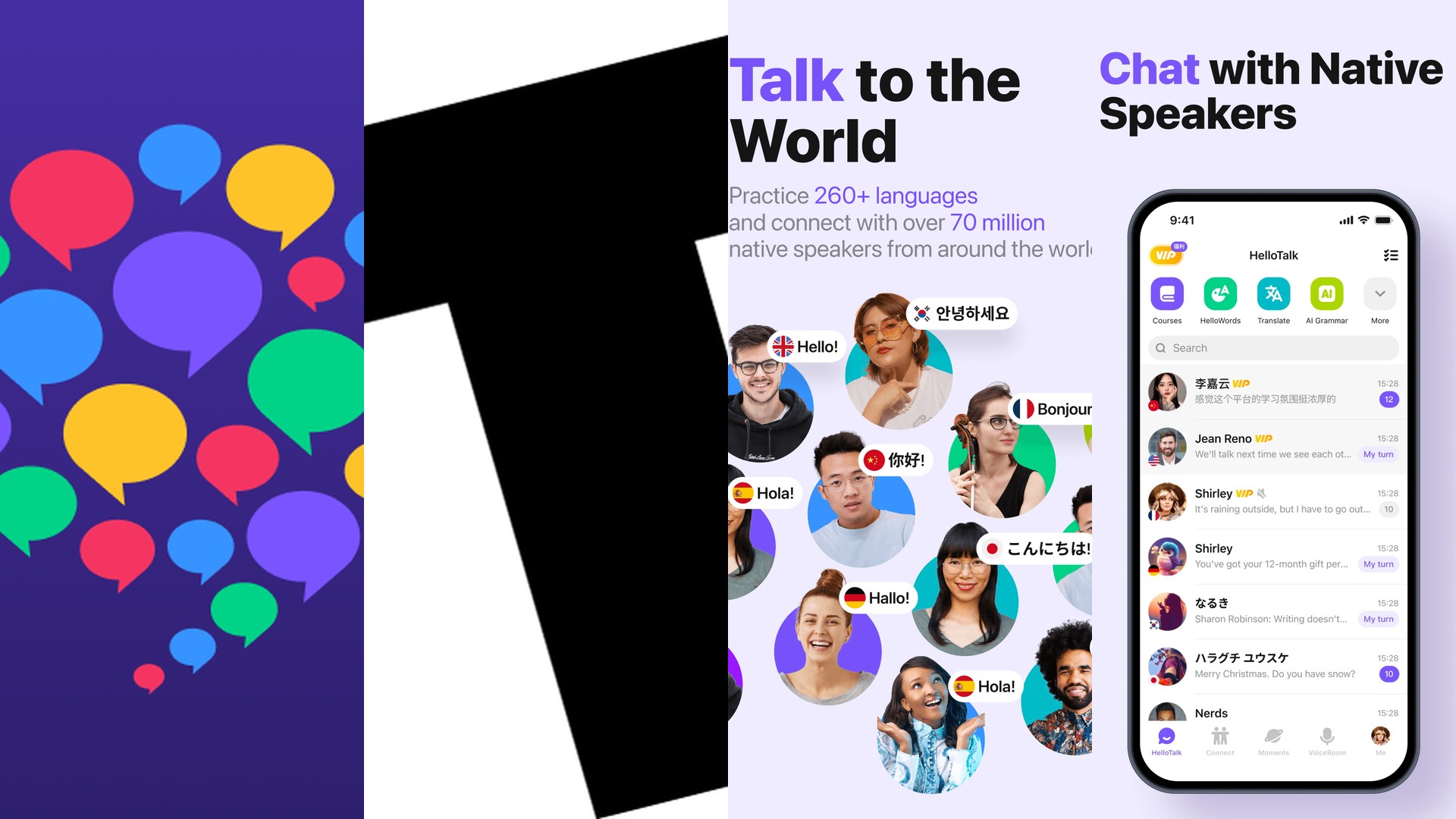
Overview: Similar to Tandem, HelloTalk offers a massive global network for language exchange. It provides built-in translation, transliteration, and text correction tools to make chatting with natives seamless.
Conclusion
Choosing the right app depends on your individual goals, schedule, and learning style. Whether you need the rigid grammar lessons of LingoDeer, the native speaker guidance of Tandem, or the gamification of Duolingo, the perfect tool is already out there.