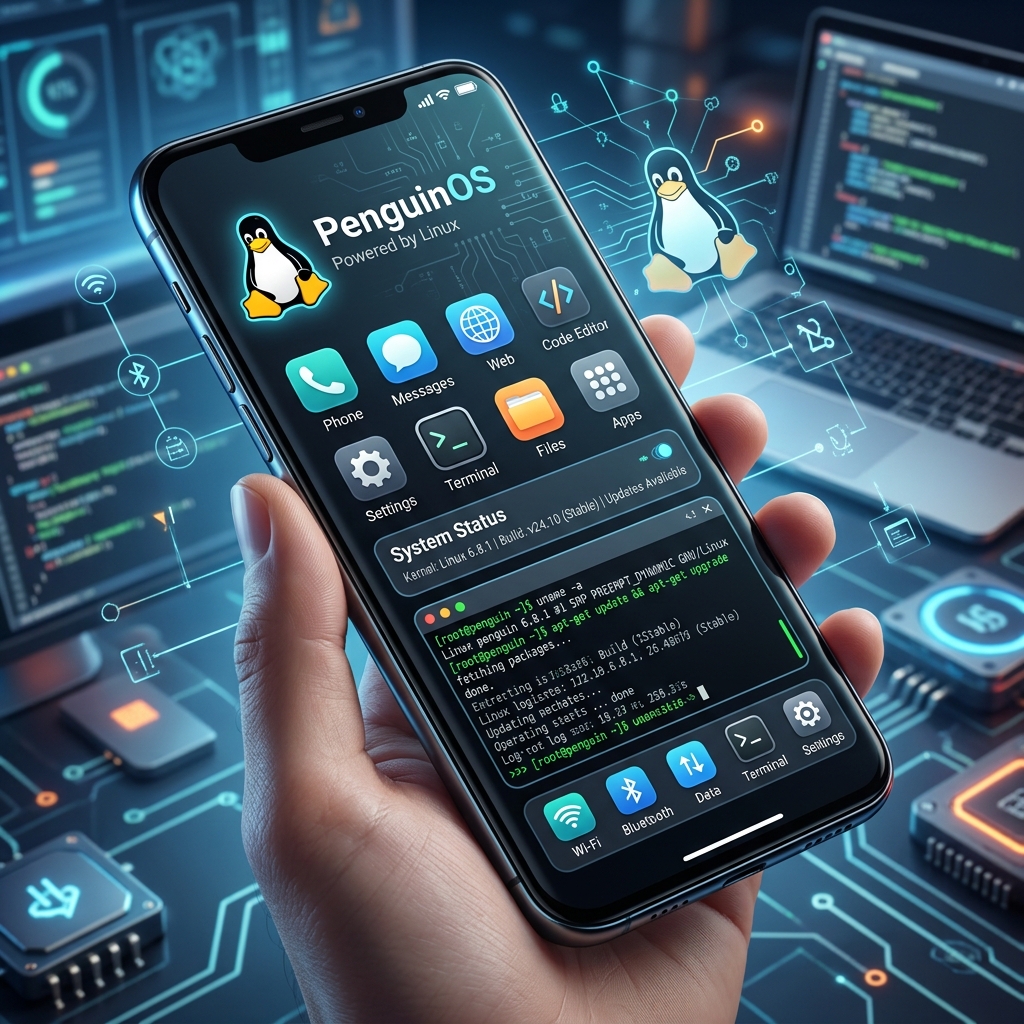
LiMo OS (Linux Mobile) was an open-source mobile operating system platform developed and maintained by the LiMo Foundation, a non-profit industry consortium formed in 2007. Built on a Linux kernel foundation, LiMo aimed to provide a standardized, royalty-free, open platform for mobile phones that would reduce fragmentation in the Linux mobile ecosystem and give manufacturers a common base for developing smartphones. This overview covers everything about LiMo OS, its history, architecture, member companies, notable devices, and its ultimate legacy in mobile computing.
What was LiMo OS?
LiMo OS stood for Linux Mobile Operating System and represented a collaborative effort by major mobile industry players to create a shared, standardized mobile Linux platform. The platform was designed to be modular and flexible, allowing device manufacturers to customize the user interface and feature set while sharing a common, well-defined middleware layer and Linux kernel base. The goal was to prevent each manufacturer from having to maintain their own separate Linux mobile platform from scratch, reducing duplication of engineering effort and accelerating time-to-market for Linux-based mobile devices.
History and Formation of the LiMo Foundation
Mobile Linux had been in development since the early 2000s, with several competing efforts from different companies including Motorola EZX, NEC, and various research projects. The fragmentation of these efforts made it difficult for third-party developers to build apps that would run across multiple Linux phones. The LiMo Foundation was formally established in February 2007 by a founding group of major telecommunications and technology companies. The founding members included Motorola, NEC, NTT DoCoMo, Panasonic, Samsung, and Vodafone. By positioning itself as a neutral, vendor-independent organization, the LiMo Foundation sought to attract broad industry participation and prevent any single company from controlling the platform direction. The timing of the foundation launch coincided with growing awareness in the mobile industry that proprietary operating systems from Nokia (Symbian) and Microsoft (Windows Mobile) were increasingly challenged by the emerging threat of Apple iOS, which had been announced in January 2007. The LiMo Foundation represented the mobile industry attempt to create a competitive open alternative before Google announced Android later that same year.
LiMo OS Architecture
Linux Kernel Foundation
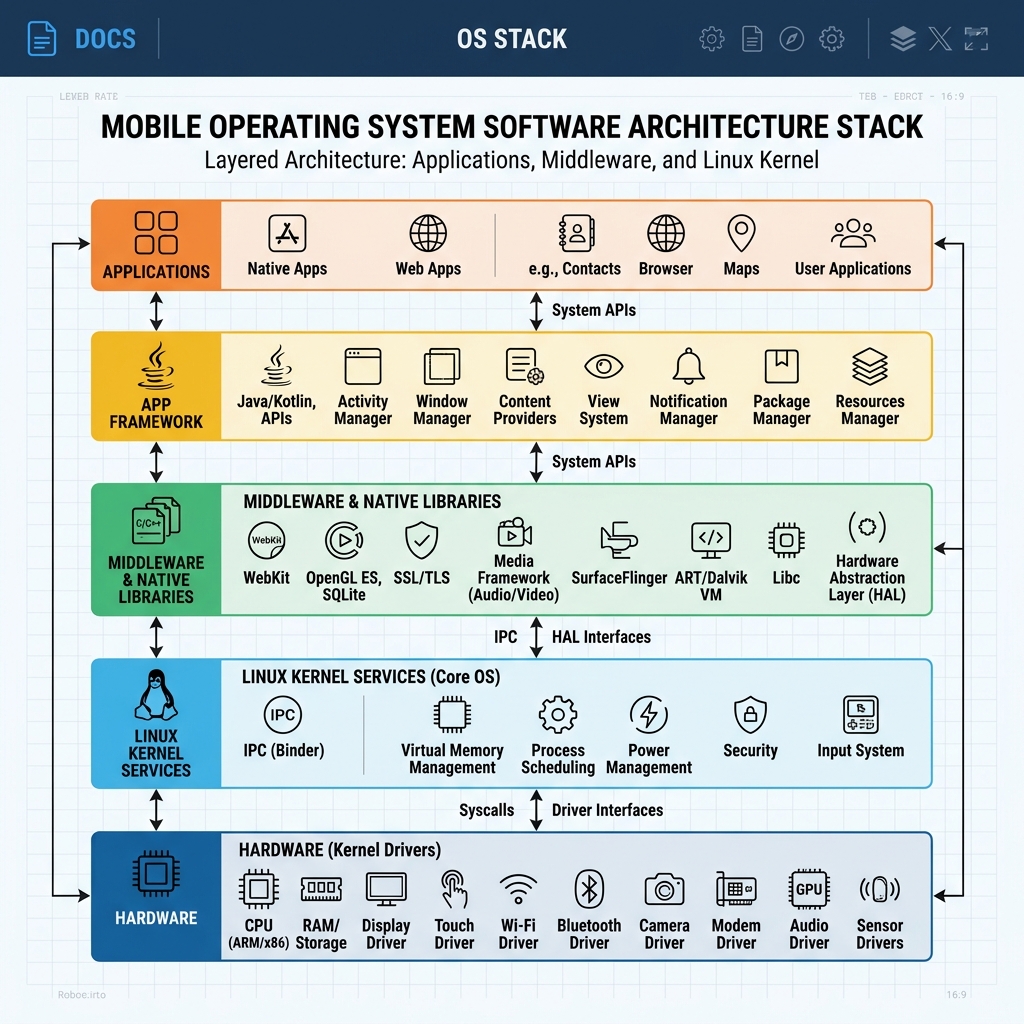
At the core of every LiMo platform was the Linux kernel, providing the fundamental operating system services including process management, memory management, device drivers, power management, and hardware abstraction. Using the Linux kernel gave LiMo access to the extensive open-source driver ecosystem and the security and stability improvements continuously contributed by the global Linux development community. LiMo Foundation worked with the upstream Linux kernel community to ensure that mobile-specific features and optimizations were mainlined into the official Linux kernel rather than maintained as separate patches.
Middleware Layer
The middleware layer was the most critical and distinctive part of the LiMo platform definition. This layer defined the standardized APIs (Application Programming Interfaces) that application developers could rely on being present on any LiMo-compliant device. The middleware encompassed telephony services (call management, SMS, network connectivity), multimedia frameworks (audio, video playback, camera), graphics rendering, location services, Bluetooth and WiFi management, and security frameworks. By standardizing the middleware, LiMo ensured that an application developed for one LiMo phone could theoretically run on any other LiMo device regardless of manufacturer, similar to how Android apps run across different Android devices today.
Application Framework
Above the middleware sat the application framework, which provided the programming interfaces and runtime environments for developing LiMo applications. LiMo supported multiple application development environments including native C/C++ development, web-based application development using HTML, CSS, and JavaScript (anticipating the trend toward web apps), and widget frameworks for lightweight applications. The multi-environment approach was designed to appeal to different categories of developers from system-level C programmers to web developers familiar with web technologies.
Handset Manufacturer Customization Layer
Above the standardized layers, each handset manufacturer was free to add their own user interface, pre-installed applications, visual themes, and device-specific features. This design philosophy was similar to how Android OEMs customize the Android base today with their own launchers and skins. The key requirement was that the standardized API layer remained intact and accessible to third-party applications regardless of the manufacturer customization on top.
LiMo Foundation Members
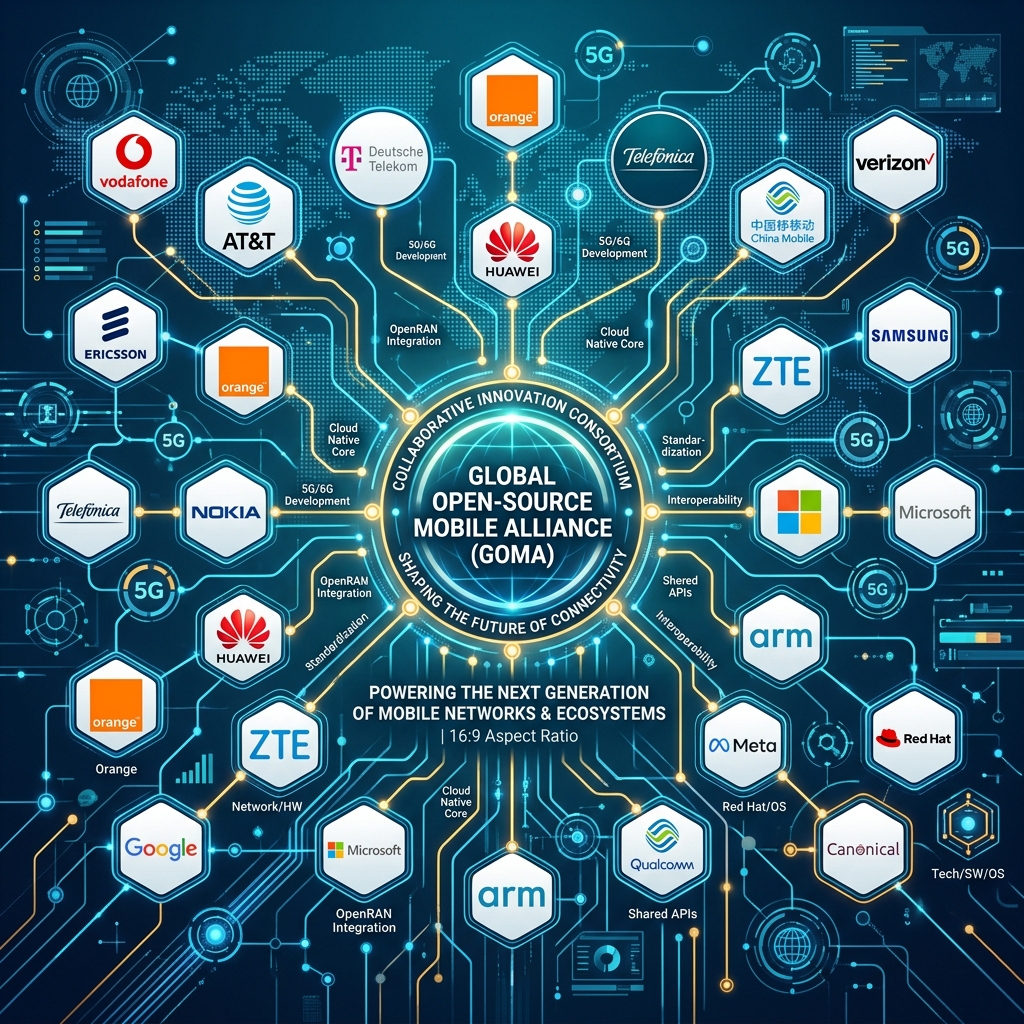
Over its operational lifetime, the LiMo Foundation grew to include a substantial number of mobile industry companies. Device manufacturers included Motorola, Samsung, NEC, Panasonic, LG Electronics, and ACCESS Co. Network operators included NTT DoCoMo, Vodafone, KDDI, and SK Telecom. Semiconductor companies included Texas Instruments, Freescale, and others who worked to ensure LiMo ran efficiently on their mobile chipsets. Software companies included ACCESS Co., which brought expertise from its work on the ACCESS Linux Platform (ALP), and various middleware and security vendors. The diversity of membership was a strength in terms of industry representation but also a source of difficulty in achieving consensus on platform decisions.
LiMo Platform Releases
The LiMo Foundation published several platform specification releases during its active years. The initial platform specification focused on establishing the core architecture and API definitions. Subsequent releases added features including improved telephony APIs, better multimedia support, enhanced security architecture, and web application runtime improvements. Each platform release defined compliance requirements that device manufacturers had to meet for their products to be officially LiMo certified, ensuring a guaranteed baseline of API compatibility across certified devices.
Devices Running LiMo OS

Several commercial mobile phones were built on the LiMo platform or closely related Linux mobile platforms during the late 2000s and early 2010s. Motorola deployed LiMo OS on several of its handsets, building on its earlier experience with its proprietary Motorola Linux (EZX) platform used on earlier models like the Motorola ROKR E2 and E6. NEC and Panasonic deployed LiMo-based handsets primarily in the Japanese market where NTT DoCoMo was a driving consortium member. Samsung shipped some models in Asian markets with LiMo as the base operating system. ACCESS Co. developed the ACCESS Linux Platform (ALP) which was technically related to LiMo work and was used as the basis for experimental devices. However, the commercial success of LiMo devices was limited, particularly in Western markets where Nokia Symbian, RIM BlackBerry, and the emerging iPhone dominated smartphone sales.
Relationship with Other Mobile Linux Projects
LiMo existed alongside several other mobile Linux initiatives of the same era. Maemo, developed by Nokia, was a Linux-based platform for Nokia internet tablets and later the Nokia N900 smartphone, targeting a more open and developer-friendly experience than Symbian but remaining a Nokia proprietary effort. MeeGo was a later merger between Nokia Maemo and Intel Moblin, another Linux mobile initiative from Intel targeting mobile internet devices (MIDs). LiMo Foundation eventually aligned closely with the MeeGo project and the Linux Foundation. Android, also based on the Linux kernel, was announced by Google in 2007 shortly after the LiMo Foundation formation and ultimately became the dominant Linux-based mobile platform by taking a more complete and commercially aggressive approach to the market. The emergence of Android with Google backing and the backing of the Open Handset Alliance effectively made many of the LiMo Foundation objectives redundant as the industry consolidated around Android as the open mobile Linux standard.
Merger with Tizen and MeeGo
As Android rapidly gained dominance in the smartphone market from 2010 onward, the independent rationale for LiMo as a separate platform weakened. In 2012, the LiMo Foundation merged with the Linux Foundation to form a new project called Tizen, which Samsung subsequently adopted as an alternative operating system for its smart TVs, wearables (Samsung Galaxy Watch originally ran Tizen), and IoT devices. Tizen represented a continuation of the open Linux-based platform vision that LiMo had pioneered, though its focus shifted from mainstream smartphones to specialized device categories where Android was less dominant.
Legacy of LiMo OS
Although LiMo OS did not achieve mainstream adoption as a consumer smartphone platform, its legacy is meaningful in several ways. LiMo helped establish that a Linux kernel could serve as a stable, capable foundation for mobile devices, a principle that Android validated far more successfully. The standardized middleware layering concept that LiMo championed influenced how the mobile industry thought about platform architecture. The collaborative consortium model that LiMo pioneered for open mobile platforms was refined and replicated by the Open Handset Alliance (Android) and later by initiatives like the Open Automotive Alliance. Many of the engineers and organizations that contributed to LiMo brought their experience into Android development, Tizen, and other open-source mobile efforts. The kernel improvements contributed to the Linux kernel by LiMo Foundation members became part of the broader Android Linux ecosystem that billions of people use today.
Conclusion
LiMo OS represented an important chapter in the history of mobile operating systems and the broader open-source mobile movement of the late 2000s. Its vision of a standardized, royalty-free, Linux-based mobile platform was ultimately realized not by LiMo itself but by Android, which took a similar technical approach with far greater commercial backing and ecosystem development resources. LiMo OS and the LiMo Foundation stand as an important part of the mobile computing history that led to the Linux-based smartphone ecosystem of today, and its lessons about open industry collaboration, platform standardization, and ecosystem development continue to inform technology consortium efforts in 2026 and beyond.