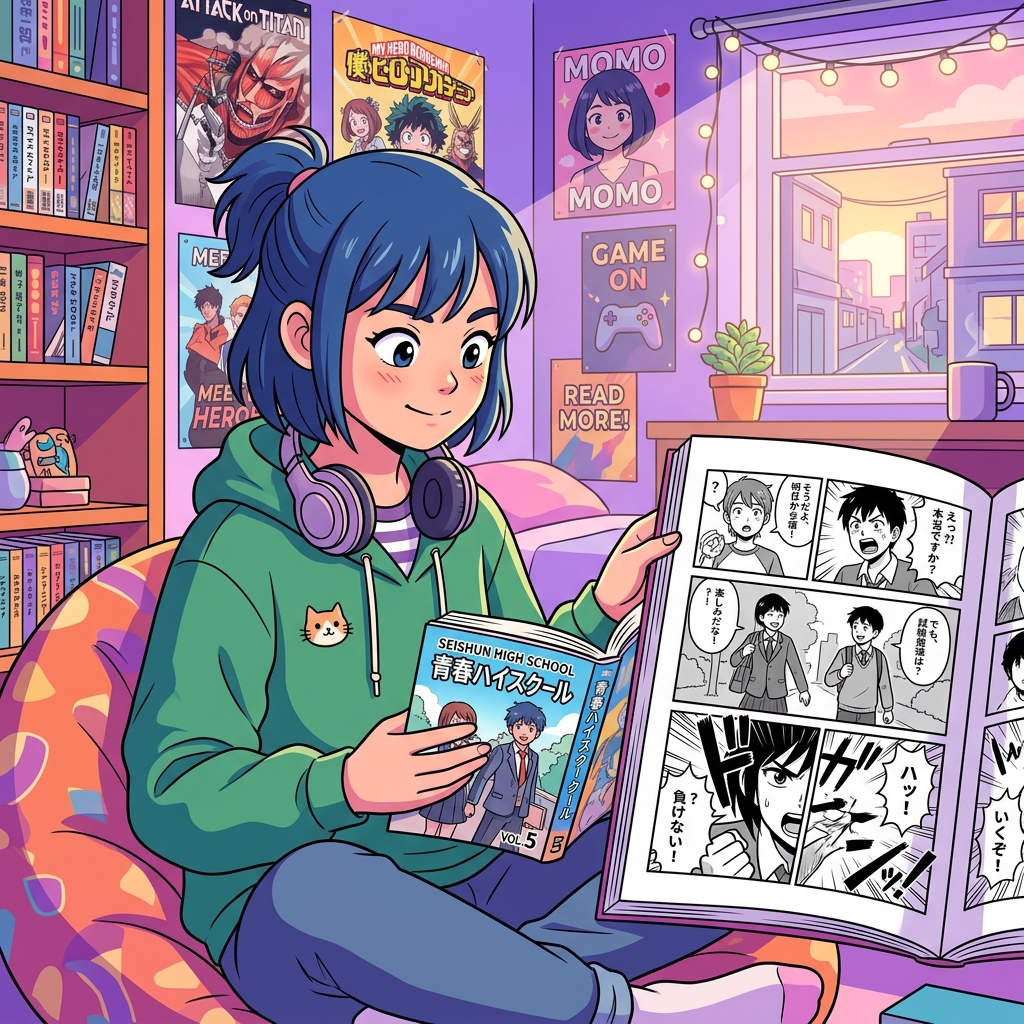
Reading manga for the first time can feel confusing, especially if you have only ever read Western comics or books. The panels flow in a completely different direction, speech bubbles are arranged differently, and the page layout follows its own visual grammar. But once you understand the core rules, reading manga becomes completely natural and deeply enjoyable. This guide explains exactly how to read manga panels, including panel order, speech bubbles, sound effects, and tips to help beginners get started in 2025.
Why Manga Reads Differently from Western Comics
Manga is a style of Japanese comic art with a publishing tradition rooted in the Japanese writing system, which reads from right to left and top to bottom. When manga is published in English, most publishers maintain this original right-to-left format rather than flipping the artwork, because mirroring the pages would reverse character details, action directions, and text. This is called an unflipped or original orientation release.
Some older manga releases from the early 2000s were published in a flipped, left-to-right format to match Western reading habits. However, this practice is now mostly abandoned. Nearly all manga published today in English follows the original right-to-left panel order.
The Golden Rule: Right to Left, Top to Bottom
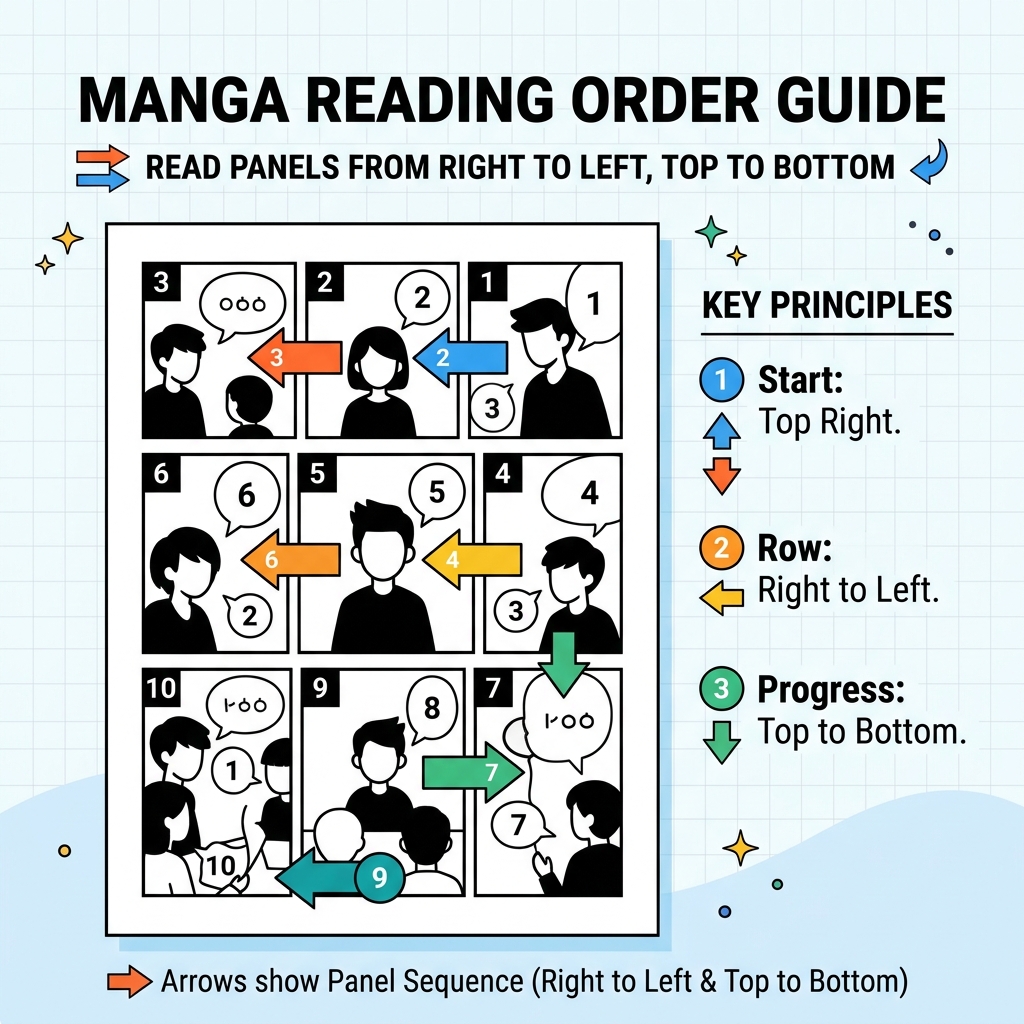
The single most important rule for reading manga panels is: always start from the top-right corner and move left, then drop down to the next row. Here is how this works in practice:
- Open the book from the right side. The front cover of a manga is on what Western readers would consider the back of the book. The spine will be on your right when you open it correctly.
- Start at the top-right panel. Every page begins with the panel in the upper-right corner. This is Panel 1.
- Move left across the row. After reading the first panel, move to the panel directly to its left. Continue until you reach the left edge of the page.
- Drop to the next row. Once a horizontal row is complete, move down to the next row and repeat the right-to-left reading order.
- Finish at the bottom-left panel. The last panel on any standard manga page is in the bottom-left corner.
This pattern holds true for the vast majority of manga pages. Exceptions exist for special splash pages or stylized layouts, but even those are designed to guide your eye naturally in the correct direction.
How to Read Manga Speech Bubbles
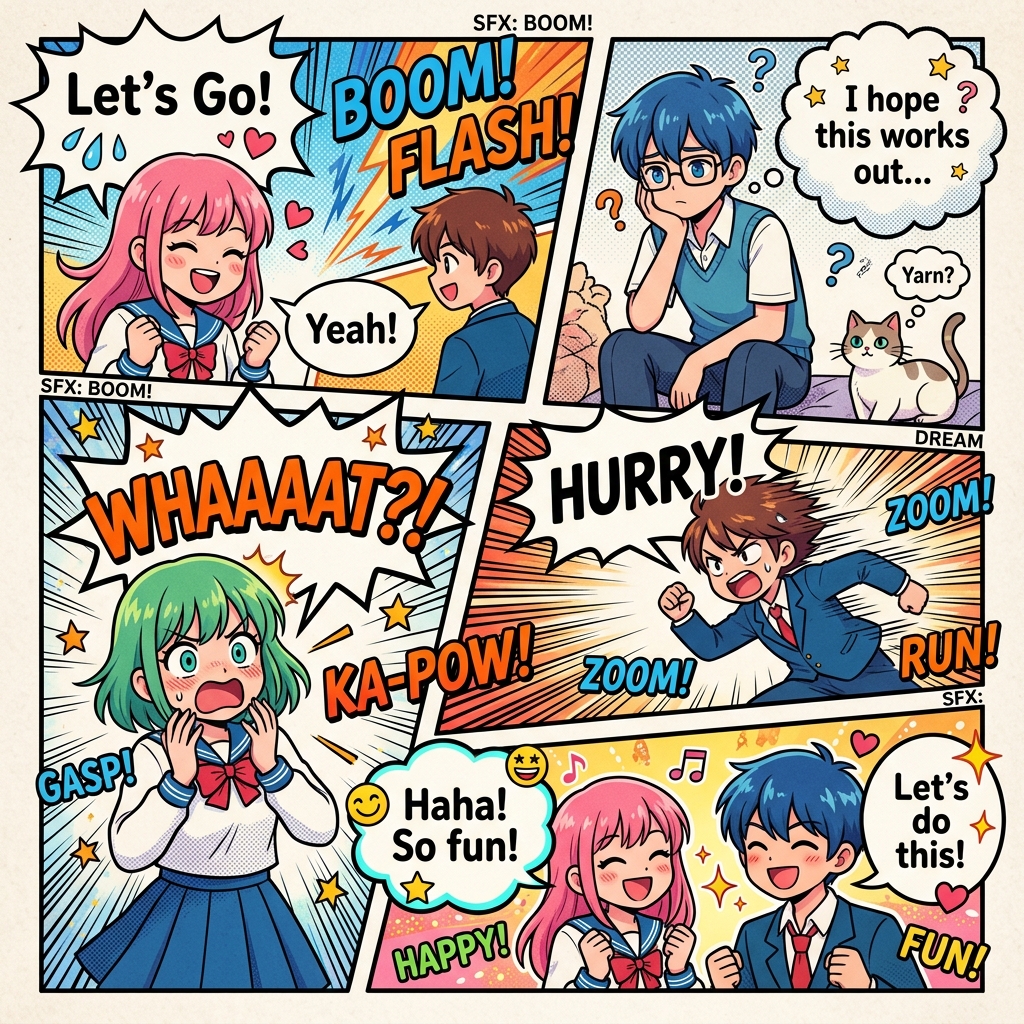
Once you know which panel to read first, you need to understand the reading order inside each panel. Speech bubbles in manga also follow a right-to-left, top-to-bottom flow.
Dialogue Bubbles
Standard dialogue bubbles appear as rounded ovals with a tail pointing to the speaker. If there are two speech bubbles in a panel, read the one on the right first, then the one on the left. If they are stacked vertically, read the top one first. The same character can have multiple bubbles in sequence, and they are always arranged to guide your eye naturally.
Thought Bubbles
Thought bubbles in manga are often drawn with wavy or cloud-like borders instead of a hard oval edge. They represent a character thinking rather than speaking out loud. Read them in the same right-to-left order as dialogue bubbles.
Whisper and Shout Text
Many manga use different bubble styles to indicate volume or tone. Small text in a thin-bordered bubble suggests a whisper. Text with jagged, spiky bubble edges indicates shouting, anger, or high intensity. These visual cues tell you how to interpret the tone of the dialogue even before reading the words.
Sound Effects (SFX)
Sound effects in manga are often rendered as large, stylistic lettering integrated directly into the artwork. In Japanese editions, these are written in katakana. In English releases, they may be left in Japanese or replaced with English equivalents. Common examples include CRASH, BOOM, SWOOSH, or the classic onomatopoeia used for footsteps, water, and wind. Do not worry if you cannot read small SFX immediately, as they are meant to enhance atmosphere rather than convey plot-critical information.
Understanding Different Manga Panel Layouts
Not every manga page uses a simple grid of equal-sized panels. Skilled manga artists use panel size and shape to control pacing and emotional impact. Here is what to look out for:
Full-Page Splash Panels
A single image that fills the entire page. These are used for dramatic reveals, major battles, or iconic moments. There is only one thing to read here. Take it in fully before turning the page.
Double-Page Spreads
Two facing pages that form a single large image. Read these as one continuous illustration spanning both pages, starting from the right page and flowing to the left.
Tall Vertical Panels
When panels are arranged in tall vertical strips rather than horizontal rows, read the columns from right to left. Each column is read top to bottom before moving to the next column on its left.
Overlapping and Borderless Panels
Some panels bleed into each other without clear borders. In these cases, look at the speech bubbles and character positions for directional cues. Panel edges and art direction almost always guide the reader naturally in the intended sequence.
Best Manga Apps for Reading on Mobile in 2025
Reading manga digitally on your phone is extremely convenient. Here are the best platforms and apps available in 2025:
- Manga Plus by Shueisha: Free official app with simulpub chapters (releasing same day as Japan) for titles like One Piece, Jujutsu Kaisen, and My Hero Academia. Available on Android and iOS.
- Viz Manga: Official Viz Media app offering Shonen Jump titles with a subscription model and free chapters on rotation.
- Azuki: A premium digital manga platform with a growing library, high-quality scans, and an excellent reader interface for both phone and tablet.
- Crunchyroll Manga: Paired with the anime streaming app, it offers simulpub manga chapters alongside anime episodes of the same series.
- Comixology/Amazon Kindle: Large catalogue of licensed manga volumes available for purchase individually or through Kindle Unlimited.
All of these apps include built-in right-to-left reading modes designed specifically for manga, making them a great choice for both beginners and experienced readers.
Popular Manga Genres to Start With
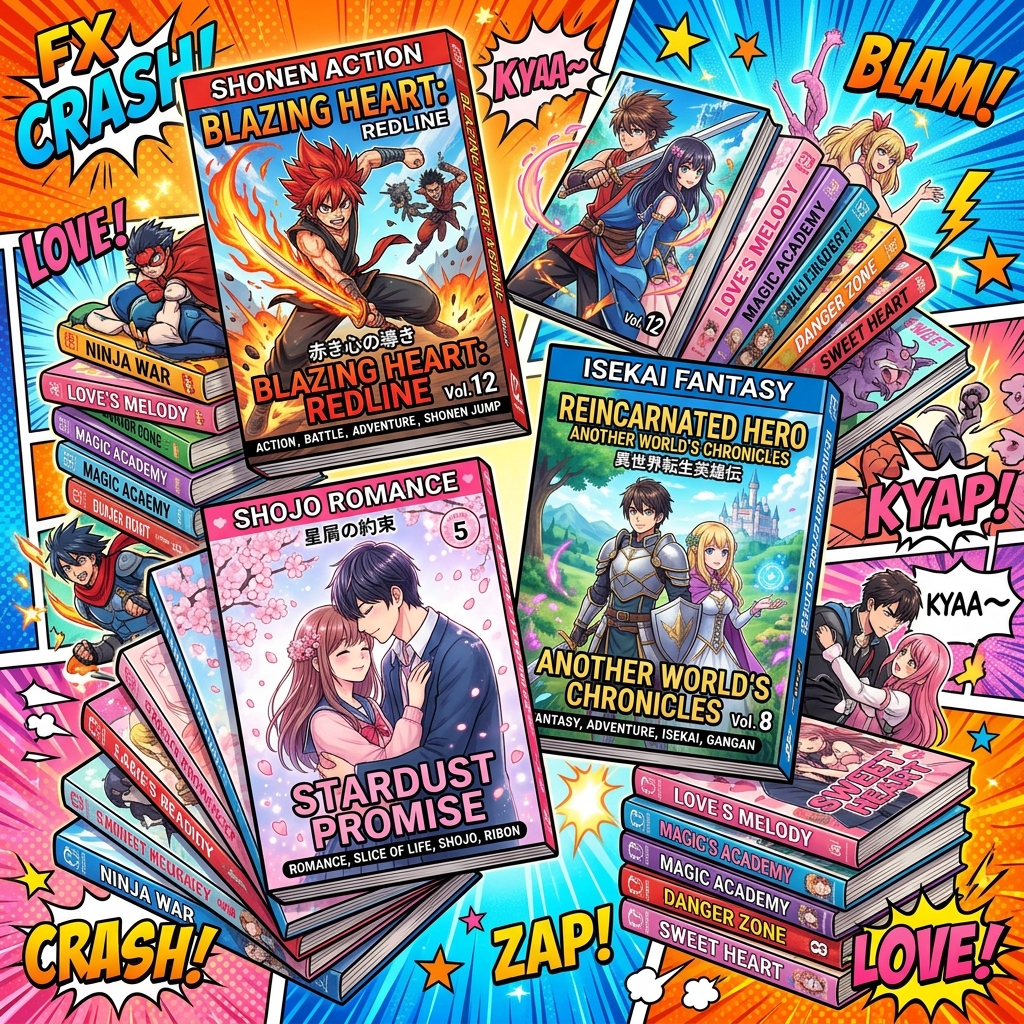
Choosing the right manga genre for your first read makes a big difference in how quickly you adapt to the format. Here are the most popular categories:
- Shonen: Action and adventure series aimed at younger male audiences. Examples include Naruto, Dragon Ball, and Demon Slayer. These are fast-paced and visually dynamic, making them excellent for beginners.
- Shojo: Romance and relationship-focused stories aimed at younger female audiences. Examples include Fruits Basket and Sailor Moon. Panel layouts tend to be more decorative and emotionally expressive.
- Seinen: More mature and complex stories for adult male readers. Examples include Berserk, Vagabond, and Tokyo Ghoul.
- Josei: Mature romance and slice-of-life stories for adult female readers. Examples include Nana and Honey and Clover.
- Isekai: A modern genre featuring a protagonist transported into another world. Examples include Re:Zero, That Time I Got Reincarnated as a Slime, and Overlord.
For absolute beginners, Shonen titles like One Piece or My Hero Academia are ideal because of their clear, high-energy panel compositions that make the reading direction visually obvious.
Tips for Beginners Reading Manga Panels
- Use page numbers as a compass. In manga, page numbers increase as you flip from right to left. If the numbers are going backwards, you are reading from the wrong end.
- Look for the "Start Here" notice. Most English manga volumes print a small note on the final page of the Western orientation explaining how to flip the book and read it correctly.
- Do not skip the extra content. Many manga volumes include author notes, bonus chapters, character profiles, and extra artwork at the end. These are fun additional content worth reading.
- Read slowly at first. Give yourself time to absorb both the artwork and the text. Manga page design is intentional and rewards careful reading.
- Follow a series from Volume 1. Jumping into the middle of a series will cause confusion. Start at Volume 1, Chapter 1 for the best experience.
Physical Manga vs Digital Manga: Which Is Better for Beginners?
Both formats have advantages. Physical manga gives you the authentic feel of holding the book, flipping the spine from the correct side, and experiencing the right-to-left format organically. Digital manga apps like Manga Plus offer guided reading modes with panel-by-panel zoom that can help beginners follow the correct reading sequence without getting lost on complex pages.
For complete beginners, starting with a digital app that has a panel-by-panel mode is recommended. Once you are comfortable with the format, picking up physical volumes adds a whole new dimension to the experience.
Frequently Asked Questions About Reading Manga Panels
Is all manga read right to left?
Almost all manga follows right-to-left reading order because it mirrors traditional Japanese text direction. A small number of manga published specifically for Western markets (called OEL manga or global manga) may be formatted left to right, but these are rare. When in doubt, look at the page numbers to determine the correct reading direction.
What if I get confused by the panel layout?
Start by finding the speech bubbles in the panel you think is first. If the character in the rightmost panel is speaking first (introducing the scene or asking a question), you are likely in the right place. Trust the flow and remember: top-right is always where any page begins.
Can I read manga on my phone?
Absolutely. Apps like Manga Plus, Viz Manga, and Azuki are designed specifically for mobile reading. They include right-to-left scroll modes, night mode, and panel zoom features that make phone reading comfortable. For our reviews of the best manga and reading apps available on Android and iOS, visit MobileKishop for up-to-date recommendations in 2025.
How do I know which speech bubble to read first?
In a panel, read the speech bubble in the upper-right position first, then move left and downward. If two bubbles overlap, the one on top or to the right takes priority. Manga artists are skilled at arranging bubbles so the natural right-to-left eye movement guides you to them in the correct order.
Conclusion
Learning how to read manga panels is a small investment that unlocks one of the richest storytelling formats in the world. The core rules are simple: start top-right, move left, drop down, repeat. Apply the same logic inside each panel for speech bubbles and sound effects. Within a chapter or two, these habits become completely second nature and you will be reading manga fluently. Start with a beginner-friendly Shonen title on a free app like Manga Plus, and you will quickly discover why manga has captivated hundreds of millions of readers worldwide.