
Since its inception, the Android Operating System has radically transformed the landscape of mobile computing. What began as an ambitious open-source project has evolved into the dominant global platform, powering billions of devices as of 2026. From the earliest iterations on primitive touchscreens to the deeply integrated AI ecosystems of today, exploring the history of Android offers critical insight into the modern innovations found on MobileKiShop.
In this comprehensive technological retrospective, we examine the defining features of Android OS versions, the pivotal architectural shifts that shaped its core, and what the future holds for the open-source platform.
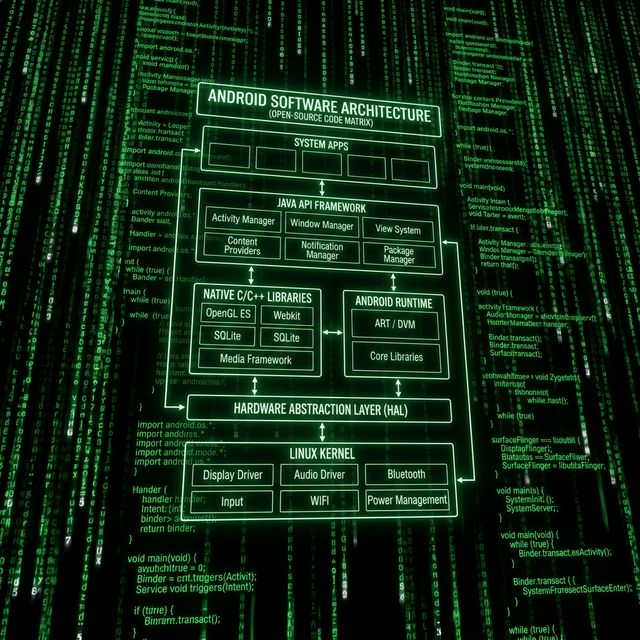
The Architectural Foundations: Embracing Open Source
The core strength of Android has always been its Linux-based, open-source architecture. Throughout its history, Google engineered the system to allow OEMs like Samsung and OnePlus to profoundly customize the user interface while maintaining app compatibility. A major technical turning point occurred with the introduction of Hybrid ART Compilers (JIT/AOT), which significantly accelerated app installations and optimized storage footprints by profiling "hot code" paths. This evolution from pure AOT set a new benchmark for software efficiency.
Security and Graphical Milestones
As the platform matured, so did its approach to security and multimedia performance. Key versions introduced File-Based Encryption (FBE), replacing older Full Disk paradigms to ensure that individual app data remained securely sandboxed. Simultaneously, the integration of low-overhead APIs like Vulkan revolutionized 3D gaming on mobile, effectively reducing CPU bottlenecking for graphically intense applications and allowing hardware to render complex worlds effortlessly.
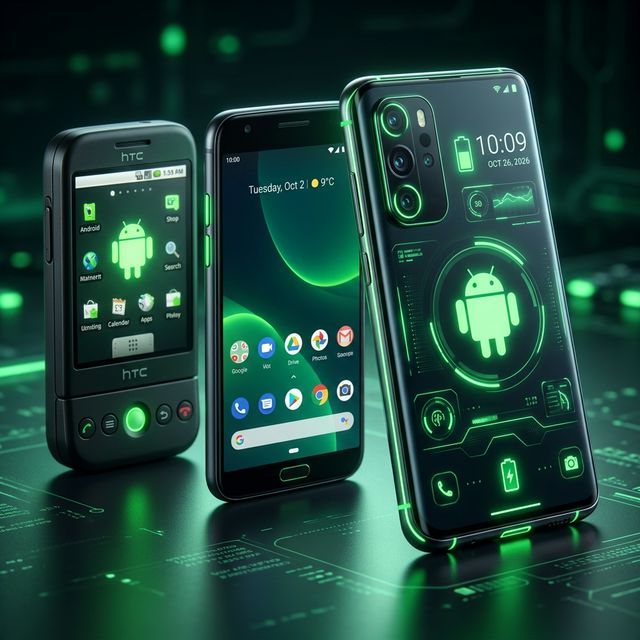
The 2026 Android Ecosystem: Beyond the Smartphone
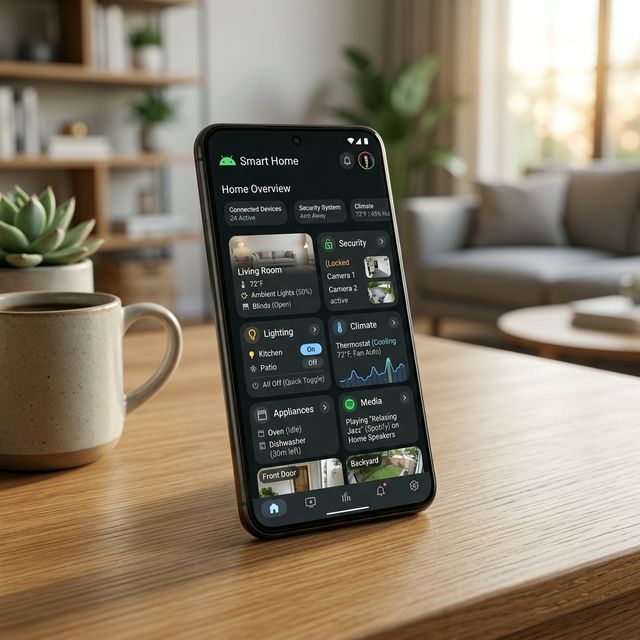
Today, Android is not just a phone OS; it is the central nervous system of the interconnected smart home. Modern versions feature seamless OTA (Over-The-Air) updates utilizing A/B partitioning, meaning your device updates quietly in the background without tedious loading screens. Furthermore, battery preservation techniques, such as the advanced "Doze on the Go" mechanics, dynamically restrict network syncs the moment your device screen turns off—even while moving in your pocket. These refinements ensure that flagships, including Google Pixel devices, maintain pristine efficiency.
Conclusion: The Continuing Legacy
The history of Android OS is a testament to continuous iteration and deep technical engineering. By consistently refining compilers, enhancing encryption, and expanding its ecosystem, Android remains the unparalleled titan of mobile operating systems. Explore the latest smartphones powered by these incredible technological leaps in the MobileKiShop product catalog.