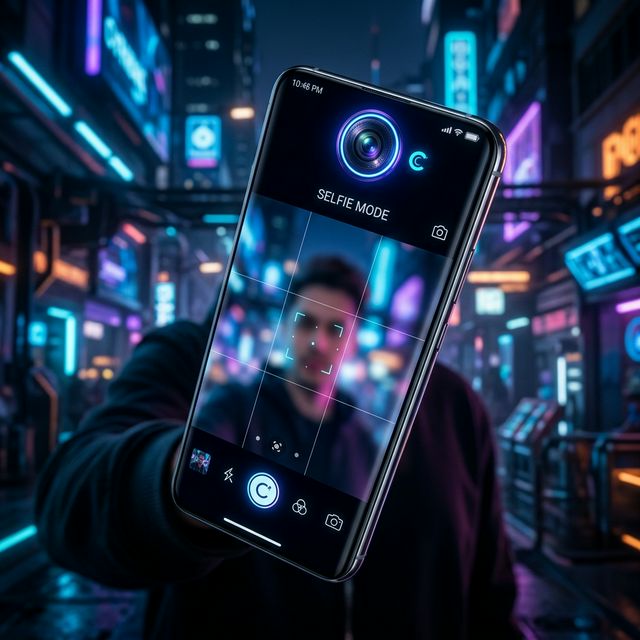
Long gone are the days when the front of your mobile phone was completely blank, designed solely for listening to static-filled voice calls. Today, the front-facing camera—universally known as the "selfie camera"—has arguably become the most frequently utilized hardware component on any modern smartphone. But how exactly did this tiny lens evolve from a grainy, low-resolution afterthought into a highly sophisticated technological marvel driving modern communication?
The Evolution of the Front-Facing Camera
Initially introduced casually in the early 2000s, the front camera was originally marketed exclusively as an expensive enterprise tool for conducting terribly pixelated business conference calls over 3G networks. However, the dramatic rise of social media platforms completely revolutionized consumer behavior. As sharing self-portraits became a dominant global cultural phenomenon, smartphone manufacturers rapidly shifted their engineering focus.
The selfie camera quickly transitioned from bulky physical bezels into the divisive "notch," eventually shrinking into the incredibly common "hole-punch" cutouts seen across millions of Android and iOS devices today. This relentless pursuit of maximizing screen real estate forced engineers to radically miniaturize camera sensors without fatally sacrificing light intake or image quality.
Understanding Under-Display Camera Technology
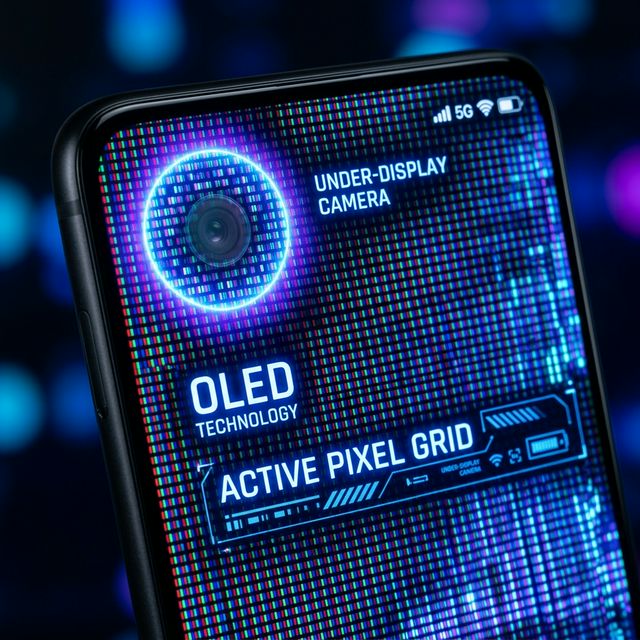
The ultimate holy grail of modern smartphone design has always been the achievement of a true, uninterrupted edge-to-edge display. Enter Under-Display Camera (UDC) technology. This breathtaking engineering feat involves heavily modifying the specific pixel structure of an OLED screen directly above the front-facing lens.
When you are casually browsing the web or watching a movie, the pixels actively glow to form the image, completely hiding the camera from your naked eye. The very moment you activate the front camera application, that highly specific cluster of pixels brilliantly turns entirely transparent, allowing necessary environmental light to seamlessly enter the hidden sensor directly through the glass display.

Facial Recognition and Advanced Security
The front-facing camera does significantly more than just taking flattering selfies; it has actively become the absolute primary security mechanism locking down our most sensitive digital lives. Modern flagship devices incorporate far more than just a single standard optical lens inside the front dashboard array.
They frequently pair the primary wide-angle selfie camera with sophisticated infrared dot projectors and advanced depth sensors. By securely projecting tens of thousands of invisible infrared dots directly onto your face, the smartphone instantly creates an astonishingly flawless 3D mathematical mesh. This highly advanced biometric technology guarantees that your device cannot be maliciously fooled by a simple flat photograph or a realistic mask.

The Rise of High-Resolution Vlogging and Video Calling
As the creator economy explodes globally and remote working officially becomes the permanent corporate standard, the sheer quality expectations for the front camera have skyrocketed astronomically. Consequently, the distinct hardware gap between the massive rear cameras and the front selfie lens is rapidly closing completely.
Modern flagship smartphones now regularly feature front-facing cameras fully capable of recording stunning 4K video at a flawlessly smooth 60 frames per second. Coupled with aggressive Artificial Intelligence software running directly on the device—which actively smooths skin, digitally isolates background audio noise, and continuously tracks your face to keep you perfectly centered—the humble selfie camera has officially transformed into a fully professional, cinematic broadcasting studio fitting effortlessly right inside your pocket.