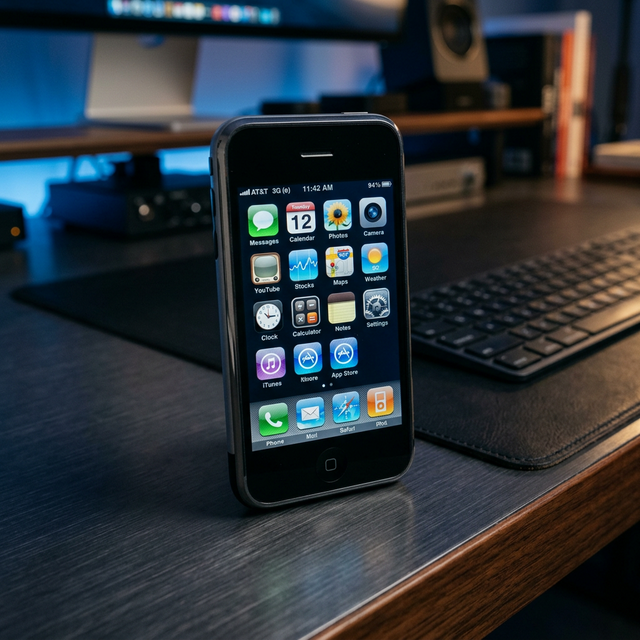
In July 2008, Apple released an update that fundamentally changed the trajectory of the smartphone industry forever: iPhone OS 2. While the original iPhone launched in 2007 was a revolutionary piece of hardware, it was heavily restricted, running only Apple’s pre-installed web apps. iPhone OS 2 (now simply known as iOS 2) cracked the device open, introducing the App Store and transforming the iPhone from a sleek iPod replacement into a limitless pocket computer.
The Birth of the App Store
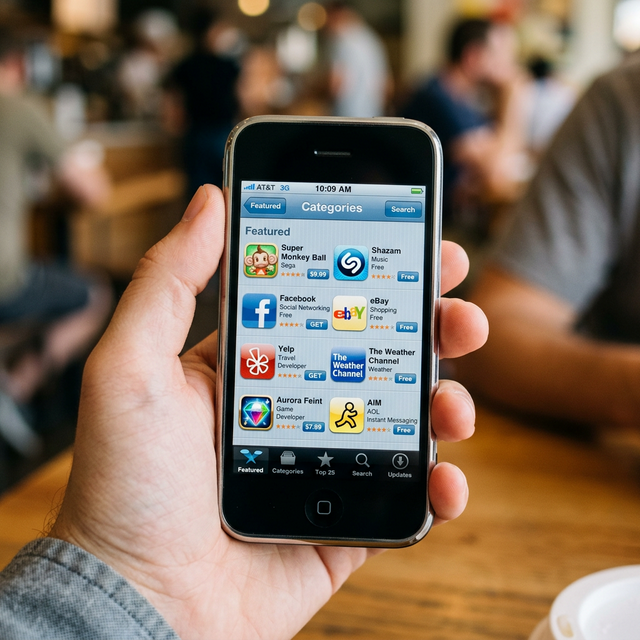
The most iconic feature of iPhone OS 2 was undoubtedly the launch of the App Store. Before July 11, 2008, "there is an app for that" was not a catchphrase. Steve Jobs had originally resisted allowing native third-party applications, insisting developers should create Safari-based web apps. However, intense developer demand and the rise of "jailbreaking" forced Apple’s hand.
When the App Store debuted, it launched with just 500 applications—a stark contrast to the millions available today. Yet, the impact was immediate. Games like Super Monkey Ball and utilities like Shazam demonstrated the power of the iPhone hardware when untethered from Apple’s walled garden.
The iPhone SDK: Opening the Gates for Developers
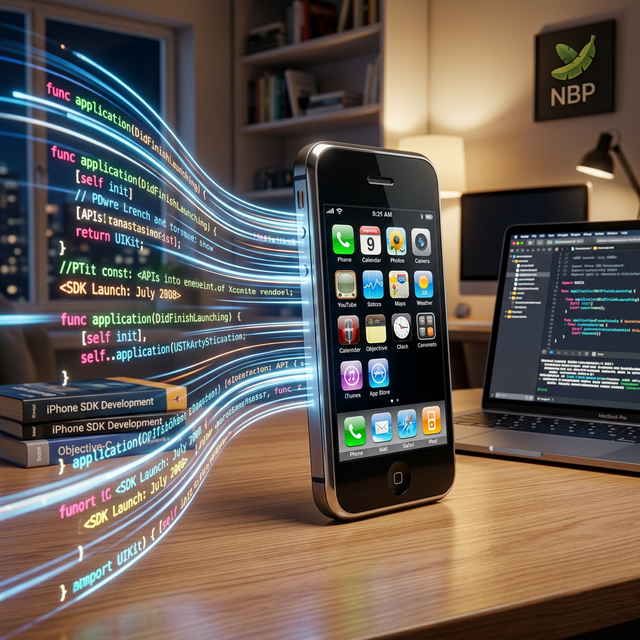
Behind the App Store was the true engine of change: the iPhone Software Development Kit (SDK). Released earlier in March 2008, the SDK gave independent developers access to the iPhone native APIs, including Core Animation, multi-touch gestures, the accelerometer, and GPS location services.
By providing standardized tools and a 70/30 revenue split, Apple incentivized a global gold rush. Software developers flocked to the platform, creating a thriving new economy of mobile software that continues to dominate tech today.
Push Notifications: A Vision Delayed
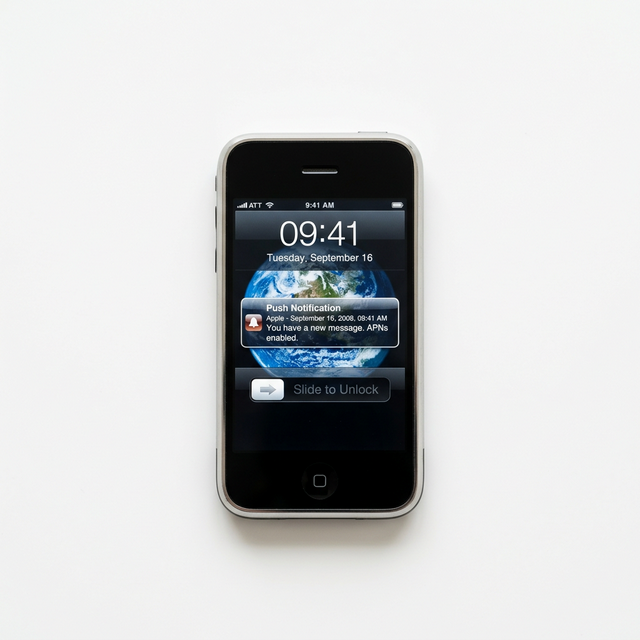
During the iPhone OS 2 announcement, Apple also introduced a concept that would become a staple of modern mobile networking: Apple Push Notification Service (APNs). At the time, background applications drastically drained the battery. Apple’s solution was a centralized server that would push alerts, badges, and sounds to the device without requiring the app to be awake.
Interestingly, while it was announced for OS 2, APNs faced massive technical scaling hurdles and was ultimately delayed, officially launching in June 2009 alongside iPhone OS 3. Nevertheless, the foundation and API architecture were laid during the OS 2 era, cementing Apple’s approach to background data.
Microsoft Exchange and Enterprise Demands
While the App Store captured consumer attention, iPhone OS 2 also aggressively targeted the enterprise market, which was entirely dominated by BlackBerry at the time. By licensing ActiveSync from Microsoft, Apple brought push email, calendar, and contacts directly to the native iPhone applications.
This enterprise integration, combined with the new ability to remotely wipe a lost device, allowed companies to finally embrace the iPhone as a secure, corporate-approved device, paving the way for the Bring Your Own Device (BYOD) revolution.
Legacy of iPhone OS 2
Today, looking back at iPhone OS 2, it is clear that while the hardware of 2007 laid the foundation, it was the software of 2008 that built the house. The introduction of third-party software fundamentally altered consumer tech, turning the mobile smartphone into the primary computing platform for billions of people. For more insights into smartphone evolution and modern reviews, explore our MobileKiShop Homepage.