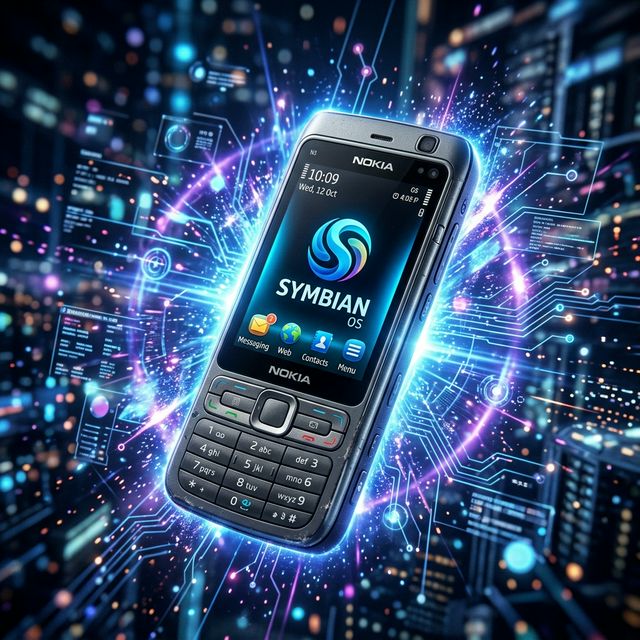
Introduction to Symbian OS
Long before modern smartphones dominated the market, Symbian OS was the undisputed king of mobile operating systems. Born from a partnership between major tech companies, it set the foundation for mobile computing as we know it today in 2026. This comprehensive guide explores its origins, features, and lasting impact.
The Origins and Early Days
Symbian was established in 1998 as a joint venture between Ericsson, Nokia, Motorola, and Psion. It was designed specifically for mobile devices, focusing on low power consumption and efficient memory usage. Unlike desktop operating systems ported to mobile, Symbian was built from the ground up to handle the unique constraints of cellular phones.

Key Features that Defined an Era
The platform introduced several groundbreaking concepts. It offered true multitasking, allowing users to run multiple applications simultaneously without draining the battery. The system architecture was component based, which allowed manufacturers to customize the user interface while maintaining core compatibility. This flexibility made it incredibly popular among device makers.
The Golden Age of Mobile Computing
Throughout the 2000s, Symbian commanded a massive market share, peaking at over 60 percent. Nokia Series 60 interface became synonymous with premium smart devices. Phones like the Nokia N95 showcased the true potential of the platform, combining high quality cameras, GPS navigation, and web browsing in a single pocket sized device.

The App Ecosystem
Before standard app stores existed, Symbian had a thriving developer community. Users downloaded applications via direct websites or third party portals. The platform supported C++ and Java ME, enabling complex games and productivity tools that were years ahead of their time. For related app nostalgia, check our top mobile apps list.
The Transition and Legacy
Despite its early dominance, the platform struggled to adapt to the touchscreen revolution. Heavy legacy code and a fragmented user interface made it difficult to compete with newer, more agile operating systems. In 2012, Nokia officially transitioned away from the platform, marking the end of an era.

What We Learned from Symbian
The legacy of this pioneering system lives on. It taught the industry crucial lessons about power management, modular design, and the importance of a unified user experience. Many engineers who cut their teeth on Symbian development later contributed to modern mobile ecosystems. Explore how this shaped the future in our technology history updates.
Conclusion
Looking back from our vantage point in 2026, we can appreciate the immense contribution Symbian made to mobile technology. It laid the groundwork for the always connected digital world we navigate today. It remains a fascinating chapter in the evolution of everyday technology, continuing to inspire modern interface design.